

29 Dec 2025
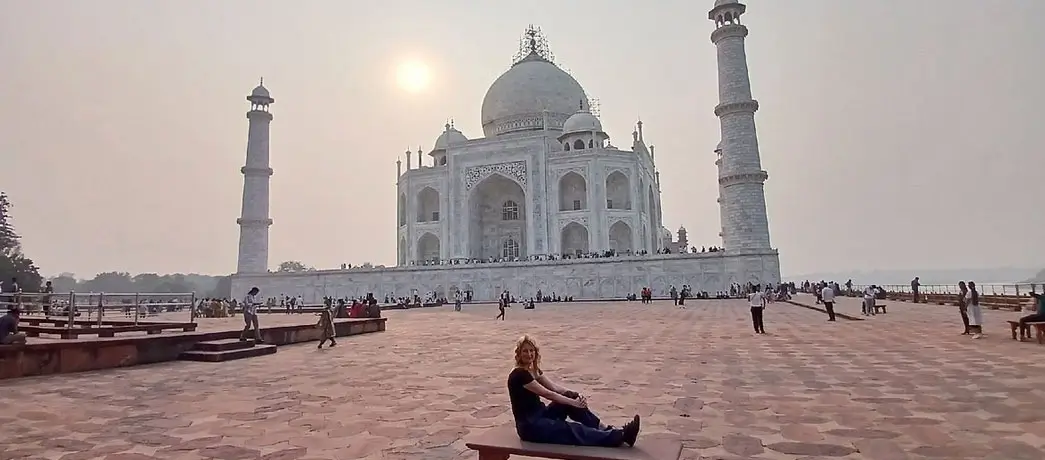
Agra stands as one of India’s most historically significant cities, known worldwide for its Mughal heritage and architectural brilliance. While the Taj Mahal draws global attention, the city’s deeper story unfolds through forts, gardens, riverfront spaces, and living neighborhoods shaped by centuries of cultural continuity. Understanding this heritage requires more than visual appreciation alone. A knowledgeable and professional tour guide in Agra transforms sightseeing into a contextual and engaging experience grounded in historical clarity.
Agra’s monuments represent refined artistry, imperial ambition, and social traditions that shaped the Mughal era. Visiting these sites without interpretation often limits understanding, as their symbolism and purpose extend beyond what is immediately visible. A Agra tour guide service connects these elements, helping visitors understand how architecture, power, and daily life intersected within the Mughal capital.
Professional tour guides in Agra are trained to provide accurate information, cultural sensitivity, and structured exploration. Choosing a professional Agra tour guide ensures that visits to protected monuments and heritage sites are both informative and respectful.
Agra’s heritage sites are closely linked through history and geography. Understanding how the Taj Mahal, Agra Fort, gardens, and riverfront relate to one another adds depth to the experience. A tour guide in Agra helps visitors connect these locations into a cohesive narrative.
Professional guides manage time thoughtfully, taking into account crowd patterns, access routes, and visitor interests. This planning ensures that sightseeing remains balanced and comfortable, particularly at high-traffic monuments.
A Agra tour guide service also enhances engagement through storytelling that brings historical figures, artistic traditions, and social contexts to life. This depth of interpretation elevates the experience beyond surface-level sightseeing.
The Taj Mahal is not only a symbol of beauty but also a masterpiece of design, engineering, and cultural expression. Understanding its construction, symbolism, and historical context requires expert explanation.
A professional tour guide in Agra provides insight into the monument’s architectural harmony, decorative elements, and spatial planning. Guides explain how light, symmetry, and materials were used to create the monument’s visual impact.
Guided visits also clarify historical narratives surrounding the Taj Mahal, helping visitors separate documented history from popular myths. This informed approach allows for a more meaningful appreciation of the site.
Agra Fort offers a complementary view of Mughal life, revealing how power, administration, and royal living functioned alongside artistic ambition. The fort’s palaces, courtyards, and defensive structures reflect a sophisticated approach to governance.
A tour guide in Agra explains how the fort’s design supported imperial needs while maintaining aesthetic refinement. Guided exploration highlights connections between the fort and the Taj Mahal, deepening understanding of the Mughal worldview.
Professional guiding ensures that visitors grasp the historical significance of each section within the fort rather than viewing it as a collection of isolated spaces.
Agra’s gardens reflect Mughal ideas of paradise, balance, and harmony with nature. These landscaped spaces were integral to the city’s design and cultural life.
A Agra tour guide service interprets the symbolism behind garden layouts, water channels, and plant selection. Understanding these principles enhances appreciation of Mughal environmental and aesthetic values.
Guided visits to garden sites provide a quieter, reflective dimension to sightseeing, balancing the intensity of major monuments.
Beyond monumental sites, Agra’s identity continues within its neighborhoods, markets, and craft traditions. Exploring these areas adds context to the city’s historical narrative.
A professional tour guide in Agra supports respectful exploration of local areas, offering insight into traditional livelihoods, daily routines, and social structures. This perspective helps visitors see how heritage remains relevant in contemporary life.
Guided walks through older neighborhoods often reveal connections between past and present that remain invisible without local knowledge.
Effective communication is central to quality guiding. A professional tour guide in Agra presents historical information clearly, adapting explanations based on visitor interest and background.
Guides simplify complex timelines without oversimplifying meaning, ensuring that visitors remain engaged and informed throughout the tour. This clarity enhances enjoyment and understanding.
Strong communication also supports smooth coordination during visits, helping travelers feel confident and comfortable.
Visitors arrive in Agra with different motivations. Some focus on architecture, others on history, photography, or cultural understanding. A Agra tour guide service adapts tours to align with these preferences.
Professional guides adjust pacing, focus areas, and explanations to create a personalized experience. This flexibility ensures that each tour feels relevant and rewarding.
Private guiding services allow for deeper discussion and focused exploration, enriching the overall journey.
Agra’s heritage becomes more complete when its monuments are experienced alongside gardens, riverfront spaces, craft traditions, and everyday life. A professional tour guide in Agra ensures that these elements are connected into a coherent narrative, allowing visitors to understand the city beyond its most famous landmarks.
Mehtab Bagh offers a tranquil setting across the Yamuna River, providing a balanced perspective of the Taj Mahal within its natural and urban context. The garden reflects Mughal planning principles that emphasized symmetry, alignment, and harmony with the environment.
A Agra tour guide service explains the historical significance of Mehtab Bagh and its intended relationship with the Taj Mahal. Guided interpretation helps visitors appreciate how landscape design supported architectural vision, revealing layers of planning that are not immediately visible.
Visiting the riverfront with a guide adds depth to the experience, highlighting how the Yamuna River influenced Agra’s development, trade routes, and imperial planning.
Agra’s artistic identity is closely linked to marble inlay work, a craft perfected during the Mughal era and still practiced today. Understanding this tradition enhances appreciation of the Taj Mahal’s decorative brilliance.
A professional tour guide in Agra introduces visitors to the history, techniques, and symbolism behind marble inlay craftsmanship. Guided visits to artisan areas provide insight into how skills are passed down through generations.
This cultural dimension connects monument appreciation with living tradition, allowing travelers to see how historical artistry continues to shape contemporary livelihoods.
Agra is not solely defined by its monuments. The city’s neighborhoods, markets, and daily routines reflect continuity between past and present. Exploring these spaces provides context that enriches historical understanding.
A Agra tour guide service supports respectful engagement with local areas, explaining social structures, traditional occupations, and community practices. Guided observation helps visitors interpret what they see rather than viewing it as disconnected scenes.
These interactions offer a grounded perspective on how heritage influences daily life in modern Agra.
Navigating Agra’s busy areas independently can be challenging, particularly around high-traffic monuments. A professional tour guide in Agra enhances safety and comfort by managing movement, advising on appropriate timing, and coordinating logistics.
Guides often work closely with drivers, aligning sightseeing flow with transportation arrangements. This coordination minimizes waiting time and reduces fatigue during extended sightseeing days.
The presence of a guide provides reassurance, especially for visitors unfamiliar with local conditions or cultural norms.
Agra’s key sites are spread across the city and along the riverfront. Efficient planning is essential to maintain a comfortable pace. A Agra tour guide service ensures that visits are sequenced logically, reducing unnecessary travel.
Guides consider distance, crowd levels, and visitor preferences when planning routes. This thoughtful approach supports a balanced itinerary that allows meaningful exploration without feeling rushed.
Coordination between guide and driver creates a seamless travel experience, allowing visitors to focus on observation and learning.
For international visitors, a professional tour guide in Agra provides clarity and confidence. Professional guides are trained to communicate historical information accurately while addressing common questions and cultural differences.
Guides help visitors understand local customs, monument regulations, and practical considerations. This guidance reduces uncertainty and enhances comfort throughout the tour.
Professional standards ensure ethical conduct, accurate storytelling, and respectful engagement with heritage sites.
Agra offers opportunities for specialized tours focused on architecture, art history, photography, or cultural studies. A professional tour guide in Agra adapts guiding styles to support these themes.
Guides tailor explanations and pacing to suit specialized interests, allowing deeper exploration of specific topics. This flexibility transforms sightseeing into a focused and enriching experience.
Specialized tours appeal to travelers seeking depth rather than surface-level visits.
Guided experiences often shape how travelers remember a destination. A Agra tour guide service helps build meaningful connections by linking places, stories, and lived experiences into a coherent whole.
Guides encourage thoughtful observation and reflection, helping visitors appreciate Agra as a living city shaped by continuity and change. This approach fosters understanding that extends beyond individual monuments.
A professional guide provides accurate interpretation, efficient planning, and cultural context that enhance understanding of Agra’s Mughal heritage.
Yes, professional guides adapt tours based on interests, pace, and available time.
Yes, trained guides communicate clearly in English and explain historical details effectively.
Yes, guided tours offer structure, clarity, and insight, making them ideal for first-time visitors.
Yes, professional guides include forts, gardens, neighborhoods, and cultural areas.
Yes, guides often coordinate closely with drivers to ensure smooth sightseeing flow.
Yes, guides manage pacing, suggest rest points, and support comfortable exploration.
The duration depends on interests, but guided tours are flexible and adjustable.
No, guided tours can include crafts, local markets, and everyday life experiences.
No, guides also cover culture, traditions, social life, and contemporary Agra.