

10 Apr 2026
Travelers planning their first journey to India often face an important question while designing their itinerary: should they explore northern India or southern India first? The country’s remarkable diversity means that each region offers a completely different experience. From the desert forts of Rajasthan to the tropical backwaters of Kerala, the contrasts between the north and south create two distinct travel environments within the same nation.
Understanding the differences between these regions helps visitors choose the itinerary that best matches their interests. Both regions are rich in history, culture and natural beauty, yet the landscapes, architecture, cuisine and travel atmosphere can feel entirely different.
For many international travelers planning their first visit, deciding between North India travel and South India travel becomes the starting point of the entire journey. Some travelers prefer the grand monuments and royal heritage cities of the north, while others are drawn to the lush greenery and temple traditions of the south.
Choosing the right region does not mean ignoring the other entirely. Many travelers eventually return to explore additional parts of the country after their first trip. However, selecting the most suitable region for the first visit ensures a smoother introduction to India’s culture and travel environment.
Travelers who wish to plan a comfortable private India tour with car and driver can contact travel experts for guidance at +91-9829020060 or email info@indiatourspackages.com.
India is often described as a subcontinent rather than a single cultural unit because of the vast diversity that exists across its regions. Languages, architectural styles, cuisine, clothing traditions and historical influences change significantly as travelers move across different parts of the country.
Northern India has historically been shaped by empires such as the Mughals and Rajput kingdoms, leaving behind monumental architecture including grand forts, palaces and mausoleums. Cities such as Delhi, Agra and Jaipur showcase this royal and imperial heritage through magnificent monuments and historic cityscapes.
Southern India, on the other hand, reflects ancient temple traditions and maritime trade connections. The region contains intricately carved temple complexes, tropical landscapes and cultural practices that differ greatly from northern traditions.
Because of this diversity, deciding between North India tours and South India tours involves considering the type of cultural experience travelers wish to explore first.
Not sure where to begin? Explore the key differences between North India’s historic charm and South India’s relaxed atmosphere.
Chat On WhatsApp Contact UsOne of the strongest reasons many travelers begin their journey in northern India is the presence of world-famous monuments that have become global symbols of the country’s heritage. The Taj Mahal in Agra, for example, attracts millions of visitors who wish to witness its architectural beauty and historical significance.
Cities such as Delhi and Jaipur also contain remarkable structures that illustrate the grandeur of past empires. Massive forts, ornate palaces and historic gardens create landscapes that reflect centuries of royal history.
Exploring these monuments allows visitors to understand how powerful dynasties shaped the cultural and architectural identity of the region. Walking through these historic sites often feels like stepping into a living museum of Indian history.
For travelers interested in architecture and imperial heritage, the monuments of northern India offer an unforgettable introduction to the country.
Rajasthan is one of the most iconic regions within northern India and often forms the centerpiece of many travel itineraries. Known for its desert landscapes and royal history, the region contains cities filled with magnificent forts, palaces and colorful markets.
Jaipur, often called the Pink City, introduces travelers to the architectural beauty of Rajput royal design. Amber Fort and the City Palace showcase the artistic achievements of the region’s former rulers.
Further west, Jodhpur rises from the desert with its impressive Mehrangarh Fort overlooking the city’s blue-painted houses. Udaipur presents a completely different atmosphere with its lakeside palaces and romantic surroundings.
The desert city of Jaisalmer adds yet another dimension to the region with its golden sandstone fort and surrounding desert landscapes.
Travelers exploring the Rajasthan heritage route often describe it as one of the most visually striking journeys in India.
Northern India is also home to several spiritual destinations that hold deep religious significance. Varanasi, located along the banks of the Ganges River, is one of the most sacred cities in Hindu tradition.
The city’s ancient temples, ritual ceremonies and riverside ghats create a powerful spiritual atmosphere that fascinates travelers from around the world. Witnessing evening ceremonies along the river offers a glimpse into traditions that have continued for centuries.
Other northern destinations such as Rishikesh and Haridwar attract visitors interested in meditation, yoga and spiritual learning.
These sacred cities provide travelers with an opportunity to explore the philosophical and religious traditions that have shaped Indian culture for thousands of years.
Southern India presents a completely different visual and cultural experience compared to the north. Instead of desert landscapes and Mughal monuments, the south offers lush greenery, tropical forests and tranquil coastal regions.
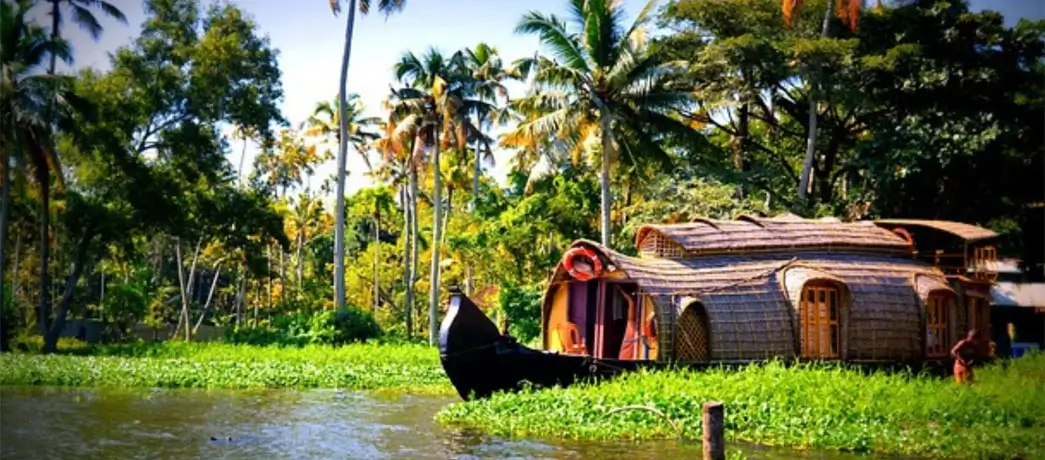
The state of Kerala is particularly famous for its backwaters, where traditional houseboats glide through narrow canals surrounded by palm trees and rice fields. These peaceful waterways create a relaxing environment that contrasts with the bustling cities of northern India.
Hill stations located in the Western Ghats provide cooler climates and scenic mountain landscapes. Travelers visiting these destinations often enjoy tea plantations, wildlife reserves and panoramic viewpoints.
The natural beauty of southern India attracts travelers seeking a slower and more nature-focused travel experience.
South India is also known for its remarkable temple architecture. Ancient temples built by powerful dynasties dominate the cultural landscape, often featuring towering gateways covered with intricate sculptures.
Cities such as Madurai, Thanjavur and Hampi contain temple complexes that illustrate centuries of artistic and architectural achievement. These temples are not only historical monuments but also active centers of worship and community life.
Visitors exploring these sites often witness traditional ceremonies, colorful festivals and vibrant cultural rituals that reflect the spiritual life of the region.
For travelers interested in ancient religious architecture and traditional cultural practices, South India temple tours offer a fascinating journey.
India offers two very different travel experiences. This guide helps first-time visitors decide between North India’s famous landmarks and South India’s scenic beauty and calm vibe.
Chat On WhatsApp Contact UsClimate is another factor that influences the choice between northern and southern India. Northern regions experience seasonal temperature variations influenced by desert landscapes and Himalayan proximity.
Southern India, by contrast, has a tropical climate characterized by lush greenery and coastal humidity. This difference in climate creates distinct travel experiences in each region.
Travelers who enjoy cooler mountain climates may prefer northern hill stations, while those who appreciate tropical landscapes and coastal environments often gravitate toward southern destinations.
Understanding these climatic differences helps travelers choose the region that best matches their preferences.
Travel atmosphere also differs significantly between the two regions. Northern cities tend to be larger and more energetic, with bustling markets and dense urban landscapes. The experience can feel vibrant, colorful and sometimes intense for first-time visitors.
Southern destinations often offer a quieter travel environment. Many towns are smaller and more relaxed, with peaceful coastal villages, temple towns and scenic countryside.
Travelers who enjoy lively cities and historic monuments often prefer the northern region, while those seeking a calmer travel pace may find southern destinations more appealing.
Both regions provide authentic cultural experiences, but the overall atmosphere varies considerably.
Selecting the best region for a first visit ultimately depends on the traveler’s interests. Visitors fascinated by historic monuments, royal palaces and famous landmarks often choose northern India for their initial journey.
Travelers interested in nature, temple culture and tropical landscapes may find southern India more aligned with their preferences.
Many experienced travelers eventually explore both regions across multiple trips because each offers unique cultural and scenic experiences.
Designing a custom India travel itinerary ensures that travelers experience the destinations most relevant to their interests while maintaining a comfortable travel pace.
Travelers who want assistance planning their journey can contact +91-9829020060 or email info@indiatourspackages.com.
Travel planning assistance is available at +91-9829020060 or info@indiatourspackages.com.
Both regions have national parks and wildlife reserves.
Languages, cuisine and traditions vary significantly across India.
Longer India private tours may include both north and south.
Yes, ancient temple complexes are a major highlight of the region.
Rajasthan in northern India is famous for royal heritage architecture.
Yes, the region is known for lush greenery and coastal scenery.
Northern India contains many iconic historic monuments and forts.
Yes, South India travel offers peaceful landscapes and remarkable temples.
Many travelers begin with North India tours because of famous landmarks like the Taj Mahal.