

13 Apr 2026
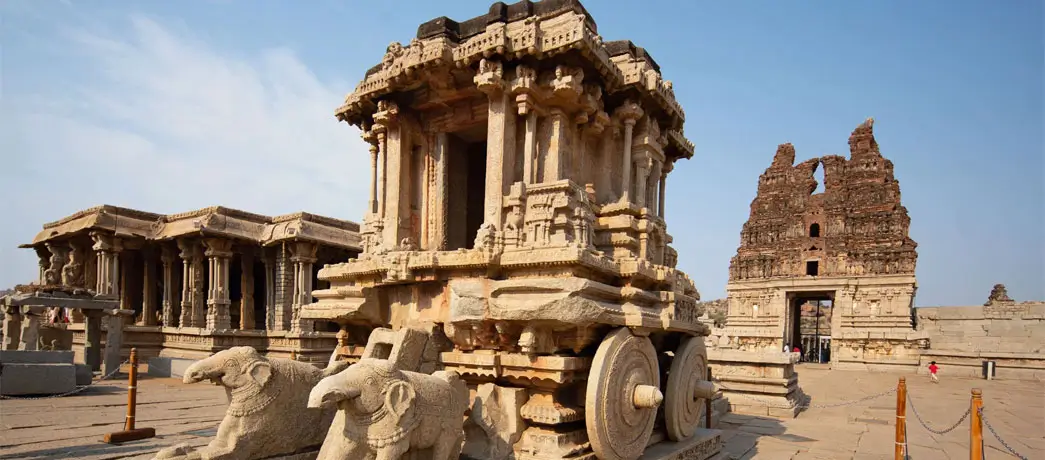
India is home to one of the largest collections of UNESCO World Heritage Sites in the world. From magnificent monuments and ancient temples to wildlife reserves and natural landscapes, these protected sites reflect the extraordinary history and diversity of the country.
Travelers visiting India often notice that many of the most famous landmarks carry the UNESCO designation. This recognition is not simply about beauty or popularity. It represents global acknowledgment of locations that possess exceptional cultural, historical or natural importance for humanity.
Understanding why India contains so many UNESCO heritage sites requires looking at the country’s long history, geographic diversity and the civilizations that flourished here over thousands of years. Empires rose and fell, artistic traditions evolved and communities created architectural masterpieces that continue to stand centuries later.
Because of this layered history, India contains an extraordinary concentration of monuments, archaeological sites and natural ecosystems worthy of international protection.
Travelers exploring the country through a private India tour with car and driver often include several UNESCO locations in their itinerary, allowing them to experience these globally recognized treasures in comfort.
Visitors interested in planning journeys covering multiple UNESCO heritage sites in India can contact travel experts at +91-9829020060 or email info@indiatourspackages.com.
UNESCO, the United Nations Educational, Scientific and Cultural Organization, created the World Heritage program to identify and protect sites considered valuable to all humanity. These locations represent cultural achievements or natural environments that hold exceptional importance for global heritage.
When a site receives UNESCO recognition, it becomes part of an international effort to preserve its historical significance and protect it for future generations.
To qualify for this designation, a site must demonstrate outstanding cultural value, architectural achievement, historical significance or natural beauty. Many sites also represent important stages in human civilization.
India’s vast historical timeline and cultural diversity have produced many locations that meet these criteria. Ancient cities, religious monuments, archaeological ruins and wildlife reserves across the country showcase the remarkable legacy of human creativity and natural evolution.
Because of this diversity, UNESCO heritage locations in India cover both cultural and natural categories.
From ancient temples to grand forts and natural parks, India’s heritage reflects centuries of creativity and evolution.
Chat On WhatsApp Contact UsOne of the primary reasons India has so many UNESCO sites is its incredibly long history. Human civilizations have existed in the region for thousands of years, leaving behind evidence of early urban planning, architecture and artistic expression.
The Indus Valley Civilization, one of the world’s earliest urban societies, developed sophisticated cities with drainage systems and planned streets long before many other regions.
Later empires and kingdoms continued to build monumental architecture that reflected their cultural values and artistic achievements. Temples, forts, palaces and religious structures were constructed using advanced techniques that remain impressive even today.
Because these civilizations developed in different regions across the subcontinent, the architectural heritage they left behind varies widely. Each monument represents a chapter in the story of India’s historical evolution.
These centuries of cultural development explain why the country contains so many historic monuments recognized by UNESCO.
India’s architectural diversity is one of the most important reasons many monuments receive UNESCO recognition. The country contains numerous structures that demonstrate remarkable engineering, artistic craftsmanship and aesthetic design.
The Taj Mahal is perhaps the most famous example. Built during the Mughal era, this white marble mausoleum is widely regarded as one of the most beautiful buildings ever created. Its symmetrical design, intricate carvings and delicate inlay work represent the height of Mughal architectural achievement.
In Rajasthan, massive hilltop forts illustrate the power and artistic vision of Rajput rulers. These fort complexes combine defensive structures with elegant palaces and courtyards.
Southern India offers a different architectural tradition through temple complexes featuring towering gateways and elaborate sculptures that depict mythological stories.
Each of these sites reflects unique artistic traditions developed in different regions of the country.
Travelers exploring India’s historic architecture often find that every UNESCO monument reveals another chapter in the country’s cultural story.
India’s spiritual traditions have also played a major role in shaping its heritage sites. The country has long been a center for religious philosophy and spiritual exploration, giving rise to sacred locations associated with Hinduism, Buddhism, Jainism and other traditions.
Many UNESCO sites represent important pilgrimage destinations or ancient centers of spiritual learning. Temple complexes, monasteries and sacred landscapes reflect centuries of devotion and philosophical thought.
For example, ancient Buddhist sites preserve monasteries and stupas that once served as important centers for teaching and meditation. Temple towns showcase intricate carvings and sacred rituals that continue today.
These religious monuments provide insight into the spiritual traditions that influenced the development of Indian civilization.
Visitors exploring these locations during India cultural tours often discover how deeply spirituality is woven into the country’s history.
Not all UNESCO sites in India are architectural monuments. Some represent remarkable natural landscapes and ecosystems that support rare wildlife and unique environmental conditions.
India’s diverse geography includes mountains, deserts, forests, wetlands and coastal ecosystems. These environments support a wide variety of plant and animal species found nowhere else on Earth.
Protected national parks and wildlife reserves recognized by UNESCO highlight the importance of preserving these natural habitats. Many of these parks are known for endangered species and ecological significance.
Travelers visiting these locations experience a different side of India that contrasts with historic monuments and bustling cities.
Exploring India’s UNESCO wildlife reserves allows visitors to appreciate the country’s environmental diversity and conservation efforts.
Some UNESCO sites represent entire cultural landscapes rather than individual monuments. Historic cities with well-preserved architecture, urban design and traditional neighborhoods provide insight into how communities lived centuries ago.
These cities often contain temples, markets, residential quarters and public buildings arranged according to traditional planning principles.
Walking through these historic areas allows travelers to imagine life during earlier periods of history. Narrow streets, ornate balconies and ancient courtyards create an atmosphere that reflects the lifestyle of past generations.
These preserved urban environments demonstrate how architecture, culture and daily life combined to form thriving communities.
For travelers interested in historic cities in India, UNESCO locations offer some of the most authentic experiences.
India’s remarkable number of UNESCO World Heritage Sites reflects its rich history, diverse cultures, and unique natural landscapes.
Chat On WhatsApp Contact UsReceiving UNESCO recognition helps protect these heritage sites from damage and uncontrolled development. Governments and conservation organizations work together to preserve the structural integrity and historical authenticity of these locations.
Protection efforts include restoration projects, research programs and sustainable tourism management designed to balance visitor access with preservation.
For travelers, UNESCO designation also provides assurance that a site represents something truly exceptional in terms of cultural or natural importance.
Many visitors design their itineraries specifically to include these remarkable locations.
Exploring multiple UNESCO heritage sites in India during a journey offers a comprehensive understanding of the country’s cultural and environmental richness.
Travelers planning such itineraries can contact +91-9829020060 or email info@indiatourspackages.com.
Each UNESCO site serves as a window into a particular period of history. Forts illustrate the power of medieval kingdoms, temples reveal ancient religious traditions and archaeological ruins preserve evidence of early civilizations.
By visiting several sites across different regions, travelers can trace the historical evolution of India from ancient times through medieval empires and colonial influences.
These monuments are not isolated relics of the past. Many continue to function as living cultural spaces where rituals, festivals and community life still take place.
Experiencing these locations allows visitors to understand how historical traditions continue shaping modern India.
The presence of numerous UNESCO sites in India highlights the responsibility of protecting these cultural and natural treasures. Conservation efforts ensure that future generations can continue learning from these remarkable locations.
Tourism plays an important role in supporting preservation. Visitors contribute to local economies while helping raise awareness about the importance of heritage conservation.
Responsible travel practices such as respecting cultural traditions and protecting natural environments help maintain the integrity of these sites.
For travelers interested in understanding India’s cultural heritage, visiting UNESCO locations provides a meaningful connection to the country’s past and present.
Travel planning assistance is available at +91-9829020060 or info@indiatourspackages.com.
Many historic religious and defensive structures are recognized.
Yes, they reflect ancient, medieval and later historical eras.
Many are open to visitors as cultural and historic attractions.
UNESCO recognition encourages conservation and preservation efforts.
Yes, they are located throughout the country.
Some national parks receive UNESCO recognition for ecological importance.
Yes, it is one of the most famous UNESCO monuments in India.
India’s long history and diverse civilizations created many significant monuments.
It is a location recognized for outstanding cultural or natural importance.