

14 Apr 2026
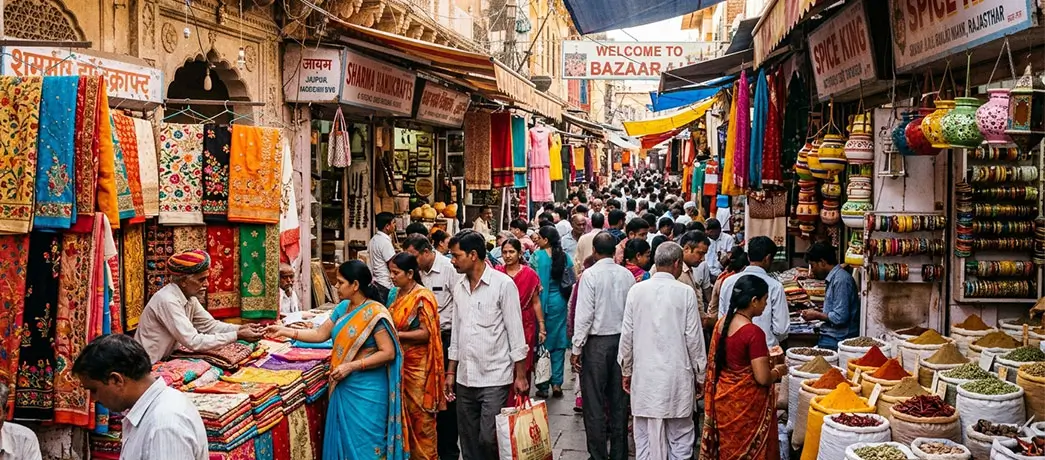
Indian markets and bazaars are among the most vibrant and fascinating places travelers encounter while exploring the country. These lively spaces offer far more than shopping opportunities. They provide a window into daily life, cultural traditions and the artistic craftsmanship that defines many regions of India.
For foreign travelers, visiting Indian markets and bazaars can be both exciting and overwhelming. Narrow streets lined with colorful stalls, the aroma of street food, the sound of vendors calling out prices and the endless variety of handmade goods create a sensory experience unlike any other.
Markets have always played an essential role in Indian society. For centuries they have functioned not only as commercial centers but also as social gathering places where communities exchange news, celebrate festivals and maintain traditional crafts.
Today, many historic bazaars continue to operate much as they did generations ago. Travelers exploring these markets during a private India tour with car and driver often discover local traditions that rarely appear in guidebooks or tourist brochures.
From textile markets and spice bazaars to jewelry shops and antique stores, India offers an extraordinary variety of marketplaces that reflect the cultural identity of each region.
Travelers interested in including local market visits during their India private tours can contact travel specialists at +91-9829020060 or email info@indiatourspackages.com.
Markets have been central to Indian urban life for thousands of years. Ancient cities were designed with bustling marketplaces where merchants sold textiles, spices, metals and agricultural goods.
Trade routes connecting India with Central Asia, the Middle East and Southeast Asia passed through these commercial centers, bringing merchants and travelers from distant lands. These exchanges helped shape the cultural diversity that characterizes India today.
Many historic bazaars developed around important temples, royal palaces or major trade routes. These locations allowed merchants to attract large numbers of visitors and pilgrims.
Over time, these markets grew into entire districts filled with shops, warehouses and artisan workshops. Even today, many Indian cities retain these historic market areas where commerce and tradition continue side by side.
Walking through one of these historic markets allows travelers to experience a form of urban life that has remained remarkably consistent for centuries.
Step into a world of colors, sounds, and energy. Indian bazaars offer everything from handmade crafts to delicious street food.
Chat On WhatsApp Contact UsOne of the first things travelers notice when entering traditional Indian bazaars is the explosion of color and movement. Stalls overflow with fabrics in bright reds, blues and golds, while fruit vendors display piles of fresh produce in vibrant shades.
Jewelry shops sparkle with handcrafted silver and gold ornaments, and spice merchants arrange aromatic powders and dried herbs into colorful mounds.
The atmosphere is lively and energetic. Vendors enthusiastically invite visitors to explore their products, while shoppers negotiate prices and examine goods.
Street musicians, tea sellers and food vendors add to the atmosphere, creating a vibrant environment where commerce and culture blend together.
For travelers, this sensory experience often becomes one of the most memorable aspects of visiting India.
Indian markets vary widely depending on the region and the goods they specialize in. Each city often contains multiple markets that focus on particular crafts or products.
Textile markets are among the most famous. Visitors exploring cities such as Jaipur, Delhi or Varanasi encounter shops selling silk fabrics, embroidered garments and traditional clothing created by skilled artisans.
Spice markets present another fascinating experience. These markets offer fragrant mixtures of turmeric, cardamom, cinnamon and other spices that form the foundation of Indian cuisine.
Jewelry markets feature handcrafted pieces ranging from delicate silver rings to elaborate wedding ornaments.
Antique markets and craft bazaars display traditional artwork, wood carvings, pottery and handmade textiles that reflect regional craftsmanship.
Exploring these different markets allows travelers to appreciate the artistic traditions that flourish throughout the country.
One aspect of shopping in Indian markets that surprises many visitors is the practice of bargaining. Negotiating prices is a common part of traditional market culture and is generally expected in many local bazaars.
Rather than seeing bargaining as a confrontation, it is often viewed as a friendly interaction between buyer and seller. Both parties engage in conversation and gradually reach a mutually agreeable price.
For travelers unfamiliar with this practice, the experience can initially feel unusual. However, approaching it with patience and a sense of humor often turns bargaining into an enjoyable cultural exchange.
It is important to remain respectful during these interactions. Vendors rely on these sales for their livelihoods, and maintaining a positive attitude ensures that the experience remains pleasant for everyone involved.
In many modern shopping malls and government-run craft stores, prices are fixed and bargaining is not necessary.
One of the most rewarding aspects of visiting Indian craft markets is discovering handmade products created by local artisans. Many of these crafts have been practiced for generations within particular communities.
Textile weaving, block printing, embroidery and metalwork are just a few of the traditional crafts represented in markets across India.
In Rajasthan, travelers often find beautifully printed fabrics created using centuries-old block printing techniques. In Varanasi, silk weaving remains an important cultural tradition.
Jewelry artisans produce intricate designs using silver, gemstones and traditional techniques that reflect regional artistic styles.
Purchasing these handmade products not only provides travelers with unique souvenirs but also supports the artisans who preserve these cultural traditions.
Markets in India are also famous for their street food culture. Vendors prepare freshly cooked snacks and traditional dishes that represent regional culinary traditions.
Travelers walking through markets often encounter stalls serving spicy snacks, sweet desserts and refreshing drinks prepared on the spot.
These food stalls offer an opportunity to taste authentic flavors that may not appear in restaurant menus.
However, travelers are usually advised to choose busy vendors with high turnover, as this often indicates freshness and cleanliness.
Sampling local snacks during market tours in India allows visitors to experience the country’s culinary diversity in an authentic setting.
Indian markets function not only as commercial centers but also as important social spaces where communities gather. Friends meet for tea, families shop together and artisans interact with customers who appreciate their work.
During festivals and special occasions, markets become even more lively. Decorative lights, music and seasonal products create an atmosphere of celebration.
For travelers, spending time in these markets provides insight into the everyday lives of local residents.
Observing these interactions helps visitors understand how markets contribute to the social fabric of Indian communities.
A quick guide to understanding the energy, diversity, and excitement of India’s famous markets.
Chat On WhatsApp Contact UsMany traditional bazaars are located within older parts of cities where streets are narrow and crowded. Pedestrians, bicycles, small vehicles and vendors all share the same space.
While this environment may feel chaotic at first, it is part of the authentic character of historic market districts.
Travelers often find it helpful to explore markets with a local guide who understands the layout of the area and can introduce them to reputable shops and artisans.
Having a guide also allows visitors to learn about the history of the market and the cultural significance of different products.
This approach often makes the experience more comfortable and informative.
When visiting markets in India, respecting local customs helps create positive interactions with vendors and residents.
Simple gestures such as greeting shopkeepers politely and asking permission before photographing people or products demonstrate cultural sensitivity.
Travelers should also be mindful of religious traditions in markets located near temples or sacred sites.
Approaching these environments with curiosity and respect ensures that both visitors and local communities enjoy the interaction.
Markets provide one of the most authentic ways to experience the culture of India. Unlike museums or monuments, bazaars reveal the everyday life of communities where commerce, tradition and social interaction come together.
Travelers exploring these spaces encounter local crafts, regional cuisine and cultural traditions that define the identity of each city.
From bustling spice markets to artisan craft bazaars, these vibrant locations capture the spirit of Indian culture in its most dynamic form.
Including market visits in India travel itineraries allows visitors to experience the country beyond its famous landmarks and historical monuments.
Travelers interested in planning India cultural tours that include traditional markets and bazaars can contact +91-9829020060 or email info@indiatourspackages.com.
Travel planning assistance is available at +91-9829020060 or info@indiatourspackages.com.
Most markets are open daily, though some close on specific days.
Local guides can help travelers navigate markets and find quality shops.
Yes, busy markets are part of the lively atmosphere of Indian cities.
Yes, many markets offer local snacks and traditional dishes.
Many markets sell authentic artisan products created by local craftsmen.
Textiles, jewelry, spices, handicrafts and traditional clothing.
Yes, negotiating prices is part of traditional market culture.
Yes, most markets are safe when travelers remain aware of their surroundings.
Traditional marketplaces where vendors sell textiles, crafts, spices and everyday goods.