

28 Nov 2025

The Royal, Coastal & Cultural Heart of India
Western India stands as a remarkable region defined by majestic deserts, pristine beaches, ancient temples, vibrant port cities, royal palaces, sacred landscapes, and heritage towns. From the sunlit dunes of Rajasthan to the calm Arabian Sea coastlines of Maharashtra and Gujarat, every corner reflects a unique blend of culture, artistry, and natural brilliance.
Travelers visiting Western India encounter a world shaped by valorous dynasties, maritime trade routes, centuries-old craftsmanship, and landscapes that carry both serenity and drama. This luxury guide presents ten extraordinary destinations across Western India—each offering distinct charm, depth, and beauty, making them essential additions to any premium travel itinerary.
Journey through royal palaces, ancient forts, vibrant cities, pristine beaches, and breathtaking landscapes on a tailor-made private tour.
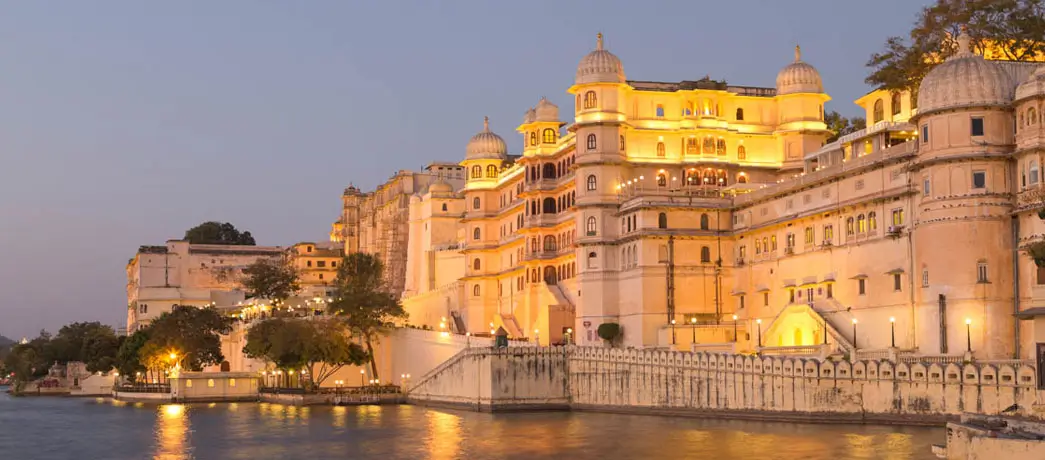
Udaipur embodies elegance, tranquillity, and royal grandeur. Surrounded by the Aravalli hills, this lake-dotted city possesses an unmatched charm reflected in its shimmering waters and heritage palaces.
The City Palace dominates the skyline with ornate balconies, mirror halls, marble chambers, and intricate paintings. Its terraces offer panoramic views of Lake Pichola, where finishing boats glide softly against the golden light.
The serene Lake Palace, built on an island, appears to float like a marble poem. Narrow lanes lined with painters, textile artisans, and silver boutiques introduce visitors to Udaipur’s artistic heart. Sunset boat rides on Lake Pichola create a calming palette of soft pinks and glowing silhouettes, making Udaipur one of Western India’s most atmospheric destinations.
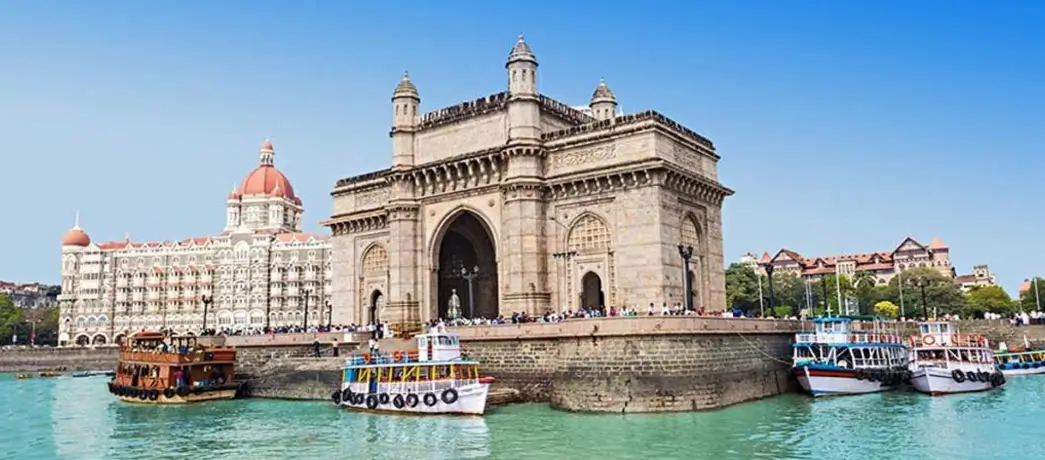
Mumbai represents a compelling blend of colonial architecture, modern skyline, cultural neighbourhoods, and the Arabian Sea’s coastal charm. The Gateway of India, framed by the gentle sea breeze, stands as a symbolic landmark carrying tales of maritime history.
South Mumbai’s boulevards reveal Victorian-era buildings, Gothic spires, grand libraries, and artistic facades that give the city a timeless personality.
Vibrant markets, luxury promenades, cultural galleries, iconic cafés, and breezy waterfronts create an irresistible rhythm. Marine Drive curves magnificently against the ocean, lighting up like a glittering necklace at night.
Mumbai’s spirit emerges from its cultural diversity, artistic richness, film legacy, and the warmth of its people—making it an unforgettable stop in Western India.

Goa stands at the intersection of tropical relaxation, colonial architecture, and vibrant coastal culture. Golden beaches lined with palm trees stretch endlessly along the Arabian Sea.
North Goa charms visitors with lively cafés, boutique markets, heritage forts, and energetic nightlife. South Goa offers quiet beaches, luxury resorts, soft sands, and serene lagoons perfect for peaceful escapes.
The old quarters of Fontainhas glow with color-rich Portuguese houses, tiled balconies, and winding lanes. Churches such as Basilica of Bom Jesus and Se Cathedral highlight Goa’s architectural edge, while beachside shacks serve fresh seafood and refreshing beverages.
Goa’s coastline, nature trails, spice plantations, and water sports create a well-balanced destination suited for both leisure and adventure.
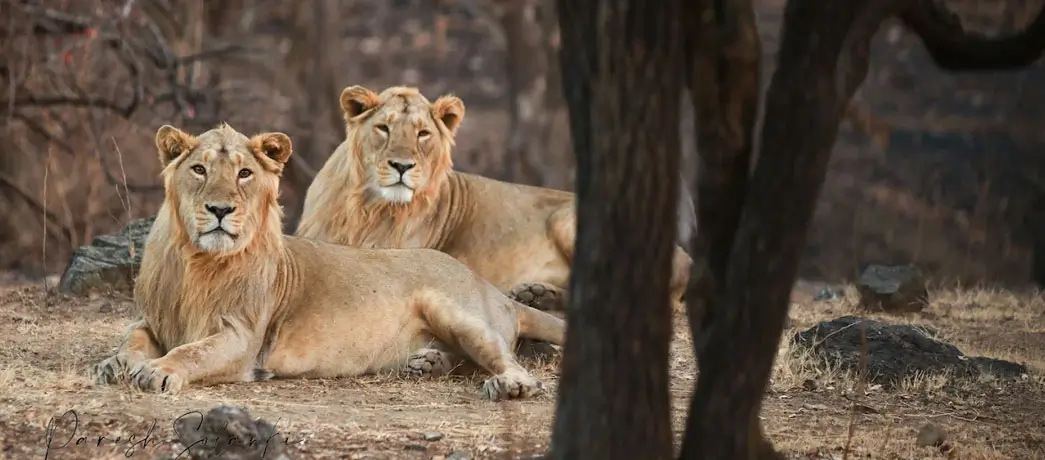
Gir National Park in Gujarat is the only natural habitat of the majestic Asiatic lion, making it one of India’s most valuable wildlife sanctuaries. The dry deciduous forests, rugged terrain, rocky hills, and water bodies form a dramatic landscape ideal for wildlife photography and safari experiences.
Jeep safaris reveal sightings of lions walking proudly through the forest, along with leopards, jackals, hyenas, deer, crocodiles, and a wide variety of birds.
The atmosphere is raw, earthy, and filled with wilderness. Conservation efforts have made Gir a global example of successful wildlife protection, drawing travelers who seek deep natural connections.
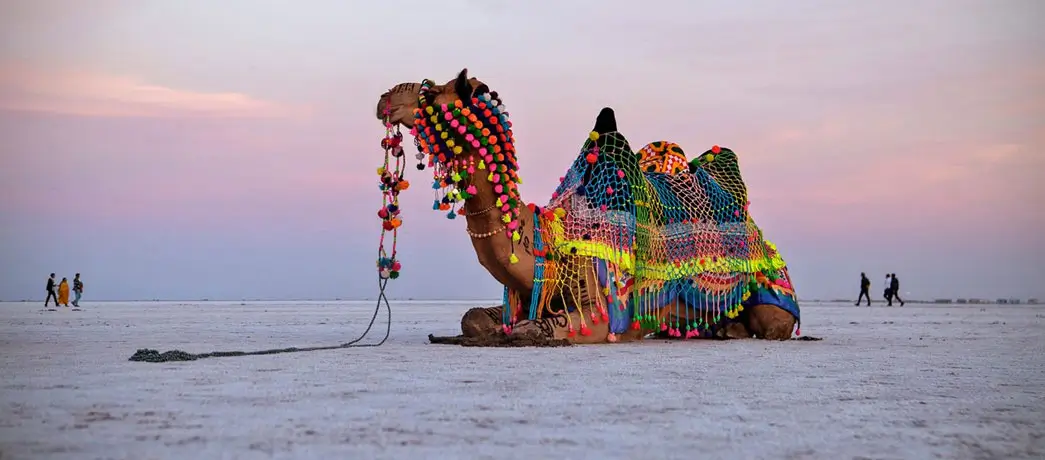
The Rann of Kutch stands as one of the world’s largest salt deserts—a surreal landscape stretching endlessly in white brilliance. Under moonlight, the salt crystals shimmer intensely, creating a dreamlike spectacle.
The Rann Utsav, held annually, brings together vibrant cultural performances, handcrafted textiles, traditional huts, camel rides, and colorful festivities under desert skies.
Visitors encounter the traditional lifestyle of local Kutch communities, known for exquisite embroidery, mirror work, pottery, and mud-wall décor.
Sunsets over the Rann create dramatic contrasts, transforming the desert into a golden-white canvas. The region represents Western India’s cultural spirit, artistic power, and natural wonder.
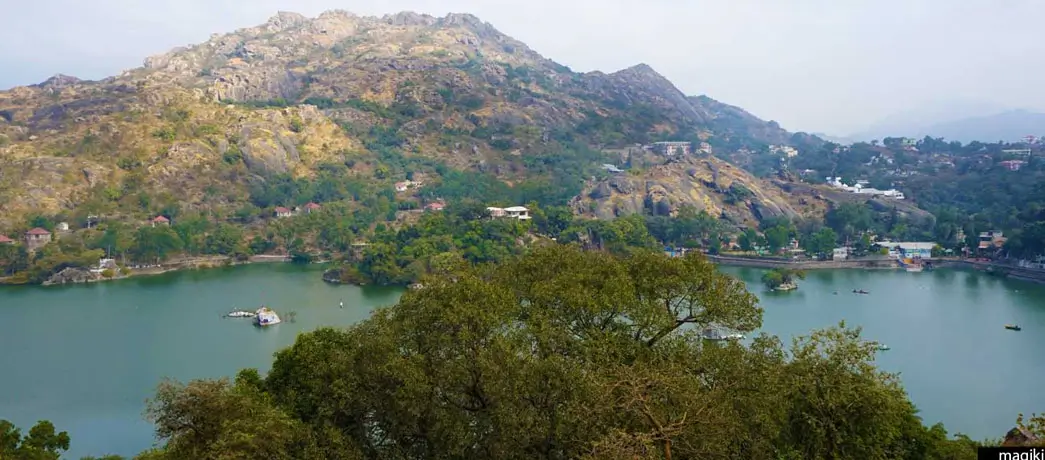
Mount Abu stands as Rajasthan’s only hill station, surrounded by lush forests, cool breezes, tranquil lakes, and rocky trails.
The Dilwara Temples, carved from pristine white marble, represent extraordinary artistic mastery. Their ceilings, pillars, and detailed carvings remain unmatched in precision and beauty.
The town’s serene environment includes Nakki Lake, sunset viewpoints, quiet nature walks, and mountain temples. Mount Abu offers a refreshing break from Rajasthan’s desert landscapes—ideal for travelers seeking comfort, greenery, and mild climate.
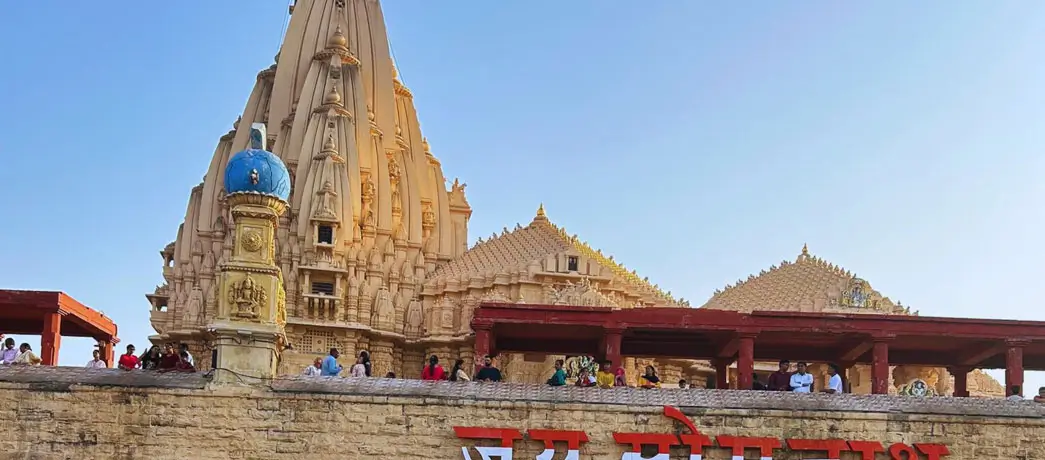
Somnath Temple in Gujarat carries immense spiritual and historical significance. Dedicated to Lord Shiva, the temple stands at a point where the Arabian Sea meets the coastline with impressive force.
The temple has been rebuilt multiple times over centuries, reflecting resilience and devotion.
The stone carvings, panoramic sea-facing courtyard, grand shikhara, and spiritual aura create a majestic atmosphere. The rhythmic sound of waves combined with illuminated evening aarti enhances the temple’s divine charm.
Somnath blends heritage, faith, and coastal beauty in a powerful and unforgettable way.
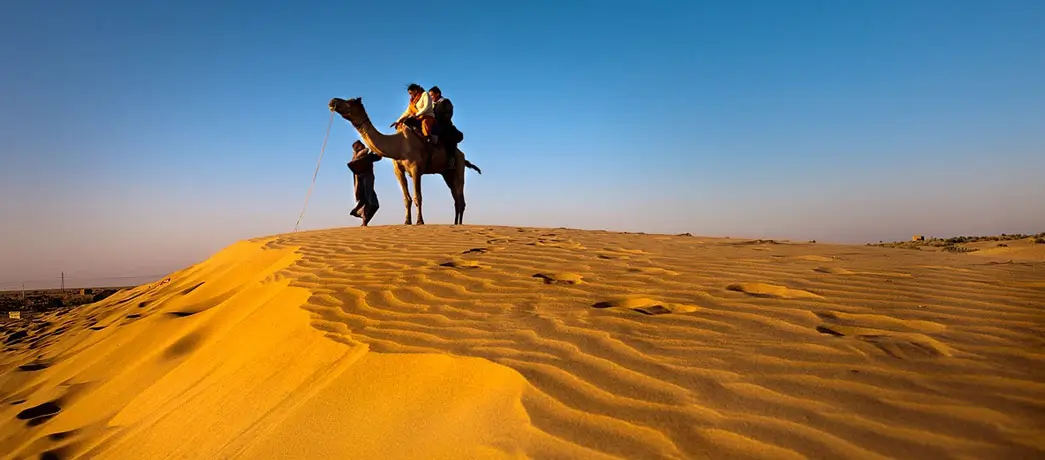
Jaisalmer rises from the heart of the Thar Desert like a golden mirage. Yellow sandstone structures glow under the desert sun, giving the city its distinctive golden hue.
The Jaisalmer Fort, India’s only living fort, showcases Jain temples, carved balconies, winding lanes, and palace rooms filled with history.
Magnificent havelis such as Patwon Ki Haveli decorate the town with intricate craftsmanship.
Sam Sand Dunes offer camel rides, desert sunsets, cultural performances, and star-lit nights that reveal the desert’s vastness. Jaisalmer combines architectural charm with deep desert magic.
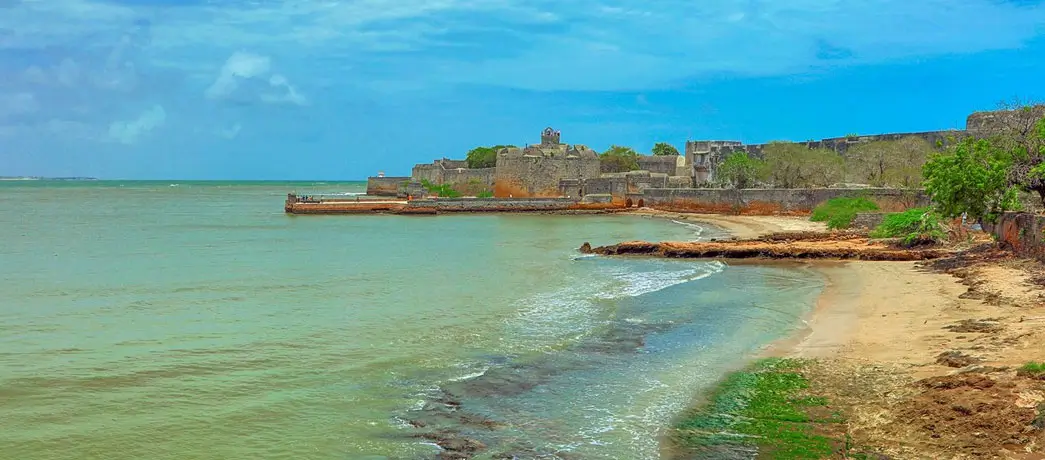
Diu remains one of Western India’s most peaceful coastal retreats. Long stretches of clean beaches, soft waves, and unhurried coastal life create a soothing atmosphere.
The Diu Fort, a massive Portuguese structure overlooking the sea, offers sweeping views and heritage pathways lined with old cannons and watchtowers.
Nagoa Beach, Ghoghla Beach, churches, caves, and cliffside viewpoints enhance the destination’s simple yet captivating personality.
Diu appeals to travelers seeking calm beaches, European-style architecture, charming cafés, and coastal silence.
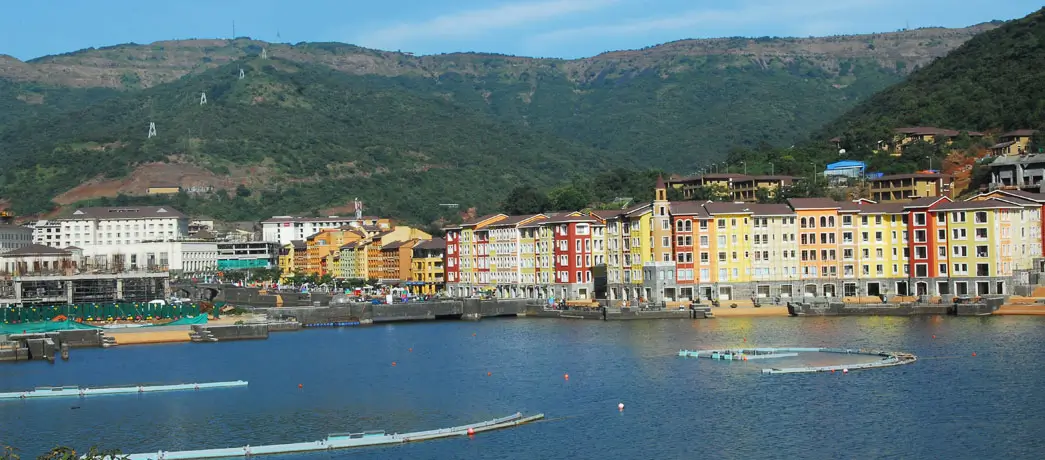
Set within the lush Western Ghats, Lonavala and Lavasa present green valleys, waterfalls, mist-filled viewpoints, and serene lakeside retreats.
Lonavala’s hills and ancient caves offer scenic trails, monsoon charm, and peaceful climate.
Lavasa brings a modern lakeside township atmosphere, offering elegant waterfront views, nature walks, boutique stays, and gentle breezes across the valley.
Both destinations provide rejuvenation, scenic beauty, and luxury stays perfect for relaxed journeys through Western India.
Imagine watching the sunset over the Thar Desert, exploring magnificent Rajput forts, strolling through Portuguese-era streets, relaxing on beautiful beaches.
Western India’s climate varies across coastal, desert, and hill regions.
The best season extends from October to March, when temperatures remain pleasant and landscapes appear vibrant.
Coastal regions offer cool breezes, desert regions provide comfortable evenings, and hill stations become refreshing retreats.
Sunrise and sunset create exceptional tones over beaches, deserts, lakes, and cliffs—ideal for photography.
Udaipur offers premium lakefront hotels and palace-style stays.
Gir National Park remains the only habitat of Asiatic lions globally.
The Rann of Kutch and Jaisalmer offer dramatic desert vistas.
Mumbai provides a balanced mix of heritage, culture, cuisine, and sea views.
Diu and South Goa provide calm, clean beaches.
Yes, Mount Abu offers cool climate throughout summer.
It begins in winter months, usually from November to February.
All major temples welcome visitors regardless of nationality.
Jodhpur, Ahmedabad, and Kutch villages offer rich handcrafted textiles.
The Rann of Kutch, Udaipur lakes, and Jodhpur’s forts offer unforgettable sunsets.