
01 Dec 2025
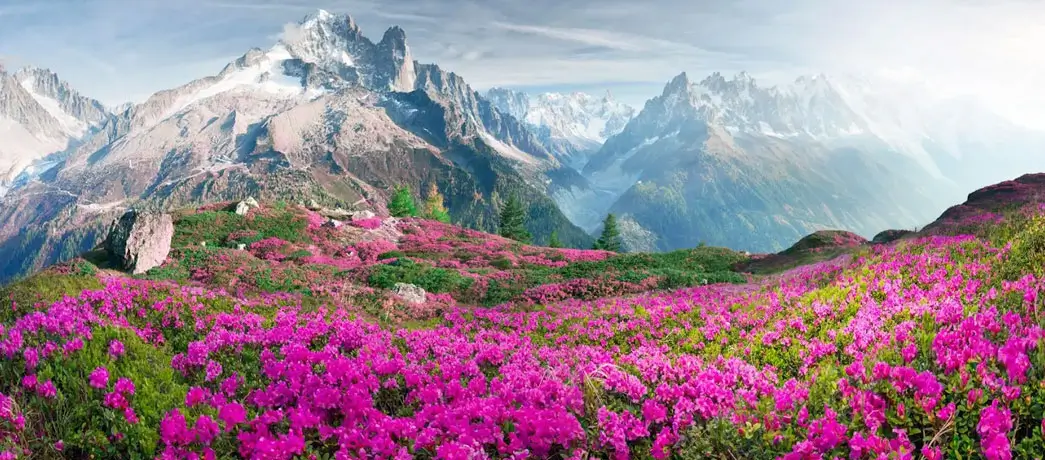
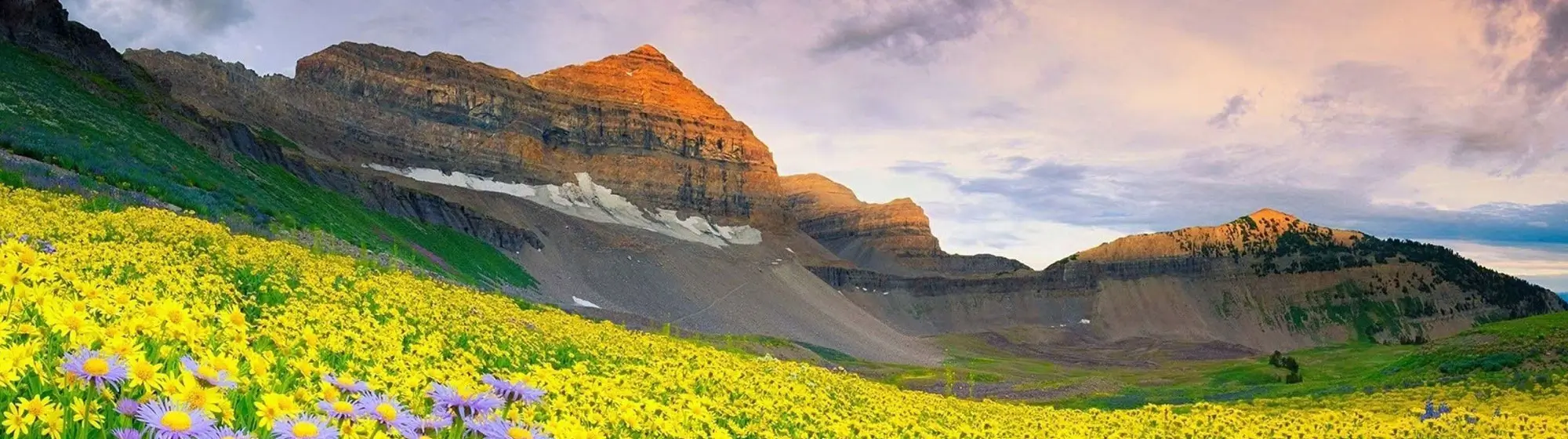
Hidden within the higher reaches of Uttarakhand lies the Valley of Flowers National Park, a world-renowned UNESCO site known for its breathtaking alpine meadows, rich biodiversity, and majestic Himalayan backdrop. Carpeted with blooming flowers during monsoon months, the valley transforms into a multi-colored natural amphitheater shaped by glaciers, rain-fed streams, and untouched mountain landscapes.
Visitors describe the valley as one of Earth’s most beautiful sanctuaries—offering rare floral species, pristine waterfalls, serene trekking routes, and crisp Himalayan air filled with fragrance and purity.
It is an untouched paradise where nature reveals its artistry with grandeur and delicacy.
The serenity of the valley, combined with the dramatic presence of high peaks like Nilgiri Parbat, creates an atmosphere that blends quiet spiritual energy with visual magnificence, making it one of India’s most extraordinary natural treasures.
The valley lies at an altitude of nearly 3,600 meters, embraced by towering Himalayan summits. During spring and early monsoon, melting snow feeds the rivers and enriches the soil, giving way to a spectacular bloom of rare alpine flowers.
The region remains protected, undisturbed by modern construction or commercial development. Narrow trails wind through meadows filled with vibrant blossoms, while the surrounding mountains create protective walls that add drama to the landscape.
Glacial streams cross the trekking path, offering refreshing resting points. Mist covers the valley in gentle waves, revealing sunlit flowers and emerald slopes in alternating moments of clarity and softness.
The sense of purity and untouched beauty makes the valley a perfect sanctuary for travelers seeking solace in nature.
Surrounded by the majestic Himalayas, the Valley of Flowers offers a magical blend of rare wildflowers, peaceful landscapes, and unforgettable trekking experiences.
The Valley of Flowers is home to more than 500 species of flowering plants, many of which are rare and found only in high-altitude regions. botanists regard the valley as one of the most valuable floral zones in the Himalayas.
During peak blooming season, flowers create a sweeping tapestry of colors—pink, violet, yellow, red, white, and blue.
Notable species include:
Each species emerges in vibrant patches, forming beautiful gradients that shift with seasonal changes. Botanists and photographers admire the valley for the way sunlight interacts with these flowers, creating gleaming shades across the meadows.
The floral patterns shift every week during peak season, offering new visual moods throughout the monsoon period.
The valley also supports a variety of fauna adapted to high altitudes. The surrounding forests and meadows serve as habitats for:
Birdwatchers find the valley rich with species such as:
The silent movement of wildlife through meadows and forests adds to the valley’s pristine charm.
The valley remains open only during specific months:
Opening Season
During early opening weeks, melting snow reveals fresh greenery, while monsoon weeks bring full-scale flowering. September introduces soft golden tones, with autumn colors gradually replacing the bloom.
Optimal Hours
The valley offers its finest views during early mornings, when sunlight highlights the meadows gently, mist begins to clear, and temperatures remain pleasant for trekking.
Visitors must obtain official permits at the entry point in Govindghat / Ghangaria.
Entry Fees
Timings
The early cutoff ensures safety due to unpredictable mountain weather and light conditions.
The journey to the valley begins from Govindghat, leading to a beautiful trek toward Ghangaria, the base village. The trail includes lush forests, river crossings, waterfalls, and mountain pathways.
From Ghangaria, the final stretch to the valley entrance involves a scenic walk along wooden bridges and stone pathways surrounded by pine forests and meadows.
The trek offers a harmonious blend of:
The path gently ascends, allowing visitors of average fitness level to complete the journey comfortably.
Ponies, porters, and helicopter services are also available for specific stretches, making the valley accessible for various types of travelers.
The valley’s most striking features include:
River Pushpawati
The river flows gracefully through the valley, fed by glaciers from the surrounding peaks. Its gentle curves add soothing rhythm to the meadows.
Glacial Bridges
Small wooden bridges cross glacial streams, enhancing the trekking experience with gentle water sounds and cooling breezes.
Alpine Meadows
Endless carpets of flowers create a surreal visual effect, forming patches of vivid color across the valley.
Snow-Clad Peaks
Surrounding peaks such as Nilgiri Parbat and Gauri Parbat rise majestically above the meadows, framing the valley in dramatic contours.
Waterfalls
Snowmelt cascades down steep cliffs, adding movement and tranquil sound to the atmosphere.
Each element contributes to the valley’s unmatched beauty.
Imagine hiking through endless meadows filled with vibrant wildflowers, surrounded by towering Himalayan peaks, cascading waterfalls, and crisp mountain air.
Beyond natural beauty, the valley carries deep spiritual energy. The silence of the mountains, the purity of the air, and the vastness of the landscape create a meditative environment.
The nearby Hemkund Sahib, located at a higher altitude, adds a strong spiritual dimension to the region. Pilgrims often combine visits to both places, enriching the journey with culture and devotion.
Monsoon clouds drift gently across the peaks, giving the valley a celestial mood that touches the soul.
The valley itself has no hotels or guesthouses to maintain ecological balance. All visitors stay in Ghangaria, which offers:
Rooms provide comfortable resting options before and after trekking days.
Electricity is limited in some stays due to remote terrain, creating a rustic mountain atmosphere.
Each tip enriches the travel experience and helps preserve the valley’s fragile ecosystem.
A complete visit takes 4–6 hours depending on walking speed.
No, camping is strictly prohibited to protect ecological balance.
Moderate, suitable for individuals with average fitness.
Yes, but supervision is necessary due to altitude and slippery paths.
Yes, photography is allowed throughout the valley.
Approximately 3–4 km of scenic walking trail.
Mid-July to mid-August offers peak flowering.
Not mandatory, but highly recommended for enriching the visit.
Yes, with adequate assistance during trekking.
Connectivity is weak or unavailable in most valley areas.