

11 Jun 2026
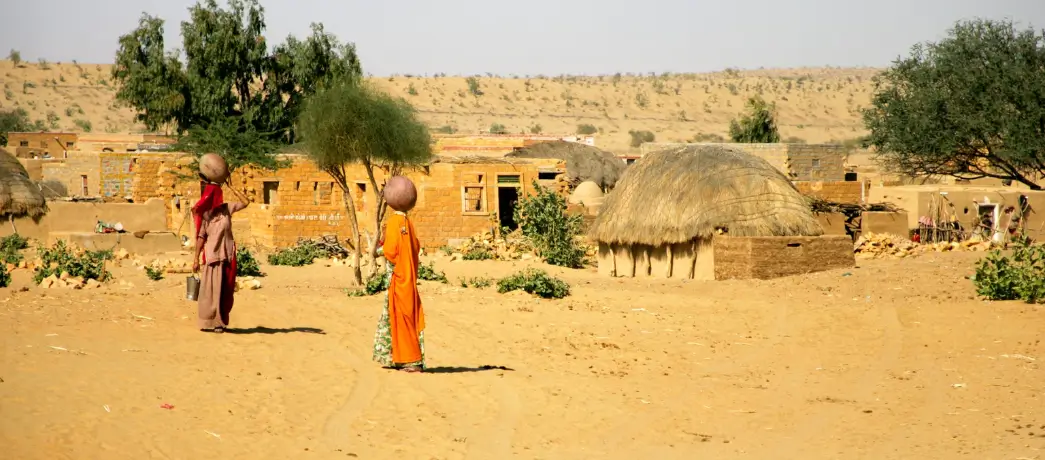
For many international travelers, Rajasthan is synonymous with magnificent forts, grand palaces, colorful cities, desert landscapes, and royal heritage. Destinations such as Jaipur, Udaipur, Jodhpur, and Jaisalmer rightfully attract global attention for their architectural beauty and historical significance. Yet some of the most memorable experiences in Rajasthan take place far away from famous monuments and bustling tourist centers.
Beyond the major cities lies a very different Rajasthan—one defined by traditional villages, agricultural communities, artisan settlements, ancient customs, and a slower rhythm of life. Here, visitors encounter a side of India that has remained deeply connected to local traditions despite the rapid changes taking place elsewhere.
Foreign travelers increasingly seek experiences that go beyond conventional sightseeing. Many have already visited iconic landmarks around the world and are looking for something more meaningful. They want authentic cultural interactions, opportunities to understand local lifestyles, and experiences that cannot be replicated through photographs or guidebooks.
Rajasthan's villages provide exactly that.
A visit to a traditional village is not simply about observing rural life. It is about understanding how communities preserve craftsmanship, celebrate festivals, manage natural resources, maintain cultural identities, and adapt to modern realities while honoring centuries-old traditions.
For travelers planning a Rajasthan private tour, a cultural tour of India, or a luxury Rajasthan itinerary, including village experiences often transforms a good journey into an unforgettable one. These visits provide context for the forts, palaces, and heritage sites that dominate most travel itineraries.
By spending time in Rajasthan's villages, travelers gain insight into the people whose traditions continue to shape the region's identity.
Immerse yourself in local culture, traditional architecture, and unique experiences that foreign travelers love across rural Rajasthan.
Many foreign visitors arrive in Rajasthan expecting grandeur. They imagine royal palaces, ornate architecture, and dramatic desert landscapes. While these attractions rarely disappoint, travelers are often surprised by how deeply they connect with rural experiences.
One reason is authenticity.
Major cities naturally adapt to tourism. Hotels, restaurants, transportation networks, and commercial services are designed to accommodate visitors. Villages operate differently. Daily life continues largely independent of tourism, allowing travelers to observe routines, traditions, and social interactions in a more natural setting.
Another factor is personal connection.
In large cities, visitors often interact primarily with guides, hotel staff, and service providers. Village visits frequently create opportunities to meet farmers, artisans, teachers, craftspeople, and families. Conversations become more personal, and cultural exchanges feel more genuine.
Many travelers also appreciate the slower pace of rural environments. After several days exploring busy cities and major attractions, villages offer a welcome contrast.
The landscapes themselves contribute significantly to the appeal. Fields, livestock, traditional homes, wells, temples, and community spaces create visual scenes that differ dramatically from Rajasthan's urban centers.
Photography enthusiasts, cultural travelers, and repeat visitors frequently describe village experiences as some of the most rewarding parts of their journey.
Among Rajasthan's most famous rural experiences are the Bishnoi villages surrounding Jodhpur.
The Bishnoi community is internationally recognized for its commitment to environmental conservation, wildlife protection, and sustainable living. Long before modern environmental movements emerged, Bishnoi traditions emphasized respect for nature and responsible resource management.
Visitors to these villages often gain insight into a lifestyle that balances community values with ecological stewardship.
One of the most remarkable aspects of the region is the coexistence between people and wildlife. Antelope, birds, and other species often move freely through areas where human activity continues as normal.
Travelers frequently visit artisan workshops where traditional weaving, pottery, and handicraft production continue using methods passed down through generations.
The villages also provide opportunities to learn about local customs, architecture, and agricultural practices.
Many foreign visitors find the Bishnoi experience particularly inspiring because it demonstrates how cultural traditions can contribute positively to environmental conservation.
For travelers interested in sustainability, wildlife, and authentic cultural encounters, these villages are often among the highlights of a Rajasthan itinerary.
Located near Jaipur, Samode offers a unique combination of village atmosphere and royal heritage.
The village is best known for the magnificent Samode Palace, but the surrounding community provides equally fascinating insights into traditional Rajasthan.
Unlike heavily commercialized tourist destinations, Samode retains much of its original character. Narrow lanes, traditional homes, temples, and local markets create an environment that feels connected to Rajasthan's historical past.
Walking through the village allows travelers to observe daily routines, local craftsmanship, and architectural styles that have changed relatively little over time.
The surrounding countryside further enhances the experience. Rural landscapes, agricultural fields, and small settlements provide a glimpse into life beyond Rajasthan's major cities.
Many luxury travelers include Samode because it combines cultural authenticity with exceptional accommodation options.
The village demonstrates how heritage tourism and traditional community life can coexist successfully.
Step beyond the cities and discover charming villages that showcase the rich heritage, crafts, and daily life of Rajasthan.
Khimsar occupies a strategic position between Rajasthan's more densely populated regions and the desert landscapes that characterize the western part of the state.
The village attracts visitors seeking a deeper understanding of rural desert life.
Traditional homes, agricultural practices, livestock management, and community traditions reveal how generations have adapted to challenging environmental conditions.
The nearby sand dunes provide opportunities to explore desert ecosystems while remaining connected to local communities.
Many travelers appreciate Khimsar because it offers a less commercialized alternative to larger desert tourism centers.
Village walks, interactions with residents, and visits to local markets often create memorable cultural experiences.
The region's slower pace encourages observation and reflection, making it particularly appealing to photographers and travelers interested in everyday life.
Khimsar demonstrates that Rajasthan's desert culture extends far beyond camel rides and sunset excursions.
Chandelao has become increasingly popular among travelers seeking responsible and community-oriented tourism experiences.
The village is known for preserving traditional craftsmanship while creating economic opportunities linked to cultural tourism.
Visitors often participate in village walks that introduce local customs, artisan workshops, and community projects.
One of the most appealing aspects of Chandelao is the emphasis on interaction rather than observation. Travelers engage with residents, learn about local traditions, and gain insight into contemporary village life.
Textile production, handicrafts, and agricultural activities frequently form part of the experience.
Many international visitors appreciate the opportunity to support local economies while learning about regional culture.
Chandelao demonstrates how tourism can contribute positively to community development when managed thoughtfully.
The region surrounding Udaipur contains numerous traditional villages that offer a different perspective on Rajasthan.
While Udaipur itself is famous for lakes and palaces, the surrounding countryside reveals agricultural traditions, tribal communities, and rural lifestyles that contrast sharply with the city's royal heritage.
Visitors often encounter farming communities, traditional homes, local markets, and artisan workshops.
The landscape contributes significantly to the appeal. Hills, lakes, forests, and agricultural fields create scenic environments that differ from Rajasthan's desert regions.
Many travelers choose to spend a day exploring villages around Udaipur because the experience adds depth to their understanding of the region.
Interactions with local families frequently become memorable highlights.
The area is particularly attractive for travelers interested in photography, cultural exchange, and rural landscapes.
One of Rajasthan's greatest cultural treasures is its rich tradition of craftsmanship.
Across the state, numerous villages specialize in particular crafts. Some focus on pottery, while others produce textiles, woodwork, metalwork, jewelry, leather goods, or traditional paintings.
These artisan communities provide valuable opportunities for travelers to observe creative processes that have been preserved for generations.
Watching craftsmen at work often creates a deeper appreciation for Rajasthan's artistic heritage.
Many visitors are surprised by the skill, patience, and attention to detail involved in traditional production methods.
Purchasing directly from artisans also creates more meaningful connections than shopping in urban markets.
For travelers interested in design, art, and cultural heritage, artisan villages represent some of the most rewarding destinations in Rajasthan.
Village visits often challenge assumptions about India and Rajasthan.
Many visitors arrive expecting poverty, simplicity, or isolation. While rural communities certainly face challenges, travelers frequently discover vibrant social networks, strong cultural identities, and impressive resilience.
Hospitality is another recurring theme.
Guests are often welcomed warmly, and interactions tend to feel genuine rather than transactional.
Village experiences also reveal the diversity of Rajasthan. The state is not defined solely by palaces and monuments. It is shaped by countless communities whose traditions continue to influence regional culture.
Travelers often leave with a more nuanced understanding of Rajasthan and a deeper appreciation for the people who live there.
These insights are difficult to gain through conventional sightseeing alone.
Many travelers remember famous monuments because they are visually impressive.
Village experiences tend to be remembered for different reasons.
They create personal connections.
A conversation with an artisan, an invitation to observe local activities, a walk through agricultural fields, or time spent with a village family often leaves a stronger emotional impression than another palace or fort.
These encounters make Rajasthan feel more human and relatable.
They transform travel from observation into participation.
For many foreign visitors, village experiences become the moments that best capture the spirit of Rajasthan.
Many travelers seek authentic cultural experiences, traditional lifestyles, and personal interactions beyond major tourist attractions.
Bishnoi villages near Jodhpur are among the most frequently visited due to their cultural and environmental significance.
The Bishnoi are known for their strong commitment to environmental conservation and wildlife protection.
Yes. Many luxury itineraries include carefully curated village experiences alongside premium accommodations.
Yes. Many villages offer opportunities to observe traditional crafts and interact with artisans.
Generally yes, but travelers should always ask permission before photographing people.
Absolutely. They provide valuable insights into culture, history, agriculture, craftsmanship, and daily life.
Yes. Many Rajasthan itineraries combine urban heritage sites with rural cultural excursions.
Textiles, pottery, jewelry, leatherwork, wood carving, and traditional paintings are among the most common.
Because they create genuine human connections and offer insights into everyday life that cannot be experienced through traditional sightseeing alone.