
23 Oct 2025
Across India, temples are not just places of worship — they are living expressions of art, architecture, and centuries of belief. Every stone, every pillar, every chant echoes a story that connects the divine with the human. From Himalayan shrines wrapped in clouds to coastal sanctuaries touched by the sea breeze, India’s temples stand as mirrors of its soul.
For a traveler, these sacred spaces reveal more than religion — they reveal culture, craftsmanship, and continuity. Each temple carries a unique rhythm, shaped by region, tradition, and history. Together they form the heartbeat of spiritual India, guiding millions toward faith and reflection.
Here are the most celebrated temples across India — shrines that define the nation’s spiritual identity and inspire travelers from every corner of the world.
In the ancient city of Varanasi, where the Ganges flows like liquid gold, stands the Kashi Vishwanath Temple, dedicated to Lord Shiva. Considered one of the twelve Jyotirlingas, it represents the cycle of creation and dissolution — the endless rhythm of life.
For centuries, saints, scholars, and seekers have walked these narrow lanes to offer prayers. The temple’s golden spire glows under sunlight, and the sound of bells mingles with chants from the ghats.
Foreign travelers often describe this experience as a meeting between silence and chaos — deeply moving yet grounding. Visiting Kashi Vishwanath with a local guide adds depth, as they narrate how every ritual and every alley has symbolic meaning.
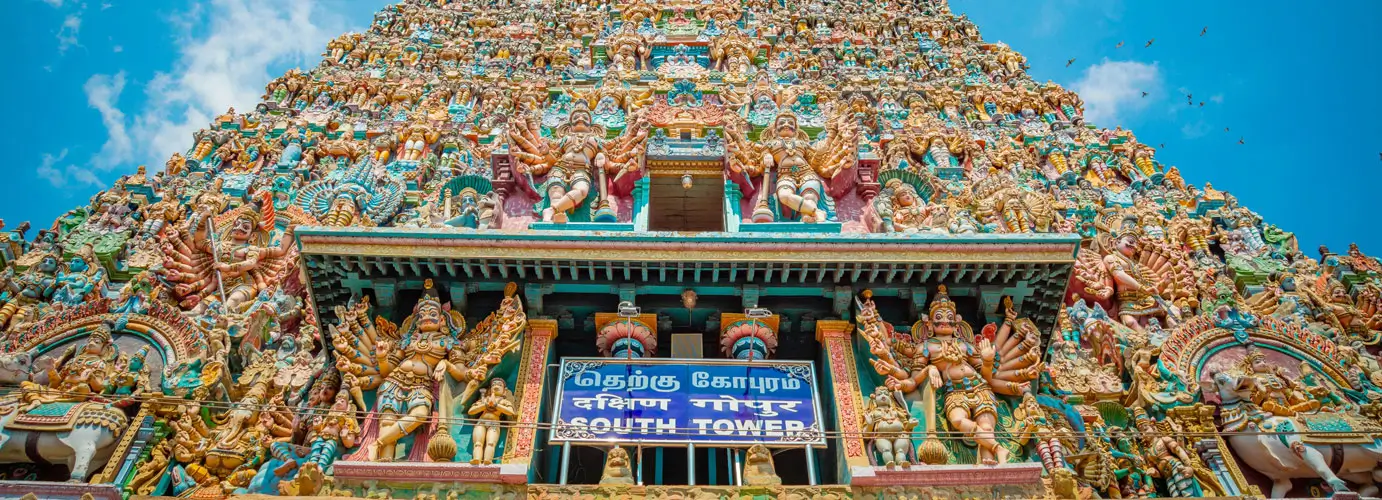
In Tamil Nadu’s temple city of Madurai, the Meenakshi Amman Temple celebrates divine femininity. Its thousand-pillared halls, colorful gopurams, and daily rituals create a world of sacred vibrancy.
Dedicated to Goddess Meenakshi and Lord Sundareswarar, this temple represents love and balance between masculine and feminine energy. Travelers often spend hours admiring its painted ceilings, stone sculptures, and rhythmic temple chants that begin before sunrise.
Visiting during evening aarti is unforgettable — the temple glows with lamps, and the air fills with devotion. It’s one of the most symbolic examples of Dravidian architecture and cultural continuity.
Standing by the Arabian Sea in Gujarat, the Somnath Temple is more than a shrine — it’s a symbol of endurance. Repeatedly destroyed and rebuilt over centuries, it embodies the spirit of India’s faith that never fades.
Dedicated to Lord Shiva, Somnath is one of the twelve Jyotirlingas and holds immense historical significance. The sound of waves hitting the temple walls blends with the deep chants of priests, creating an atmosphere both powerful and peaceful.
Visitors can attend the evening light-and-sound show that narrates Somnath’s story — a blend of devotion, architecture, and resilience.
In Odisha’s coastal town of Puri, the Jagannath Temple represents inclusiveness and devotion. Dedicated to Lord Jagannath (a form of Krishna), it attracts millions each year, especially during the grand Rath Yatra when the deities are pulled in massive chariots through the streets.
What makes this temple special is its message of equality. Food from its kitchen, known as the Mahaprasad, is shared by everyone, breaking all social barriers. The aroma of this sacred feast drifts through the air, inviting all to partake.
The temple’s unique rituals, rhythm, and design capture the deep philosophy of spiritual India, where devotion blends with community.
At an altitude of 11,700 feet in Uttarakhand, surrounded by snow-capped peaks, stands Kedarnath Temple, one of the holiest shrines dedicated to Lord Shiva. Reaching it requires both faith and endurance, as travelers trek through the Himalayas where silence and prayer coexist.
Believed to have been built by the Pandavas, the stone structure remains a marvel of ancient engineering. Despite natural challenges, it continues to attract thousands who see the journey itself as an act of devotion.
When the first light of dawn touches the temple walls and bells echo through the valley, it feels as though nature itself bows in reverence.
In the heart of Delhi, the Akshardham Temple represents India’s spiritual tradition through modern artistry. Built in the 21st century, it combines intricate stone carvings, exhibitions, musical fountains, and cultural performances that celebrate harmony and human values.
The central monument, made of pink sandstone and white marble, stands as a tribute to ancient craftsmanship revived with contemporary vision. Travelers can spend hours exploring its galleries that depict India’s philosophy of unity and peace.
Evening shows around the Yagnapurush Kund bring the message of light overcoming darkness, leaving visitors inspired.
Located on Rameswaram Island in Tamil Nadu, the Ramanathaswamy Temple is believed to be where Lord Rama built a bridge to Lanka. Pilgrims bathe in 22 sacred wells within the temple, symbolizing spiritual cleansing.
Its long corridors — among the longest in the world — are lined with 1,200 carved pillars that stretch into infinity. The temple represents faith, architecture, and myth blending seamlessly.
Visiting Rameswaram connects travelers with stories from the Ramayana, offering not just historical significance but emotional depth.
In Amritsar, Punjab, the Golden Temple (Sri Harmandir Sahib) stands as the embodiment of humility and service. Covered in gold leaf and surrounded by the sacred Amrit Sarovar lake, it welcomes people from all faiths.
The continuous singing of kirtan, the reflection of the temple on the water, and the taste of langar (community meal) together form an atmosphere of equality and serenity.
Many foreign travelers describe it as one of the most peaceful places they’ve ever visited. Sitting by the shimmering water at dawn or dusk feels like a dialogue between silence and gratitude.
In Thanjavur, Tamil Nadu, stands the Brihadeeswarar Temple, a UNESCO World Heritage site that celebrates the Chola dynasty’s architectural genius. Built over a thousand years ago, this massive granite temple dedicated to Lord Shiva is an ode to precision and devotion.
Its towering vimana (temple tower) rises 66 meters high without modern machinery — a wonder that still amazes architects. The frescoes, carvings, and layout all align perfectly with cosmic geometry.
For those interested in history, this temple bridges spirituality and engineering, showing how devotion inspired design.
High in the Trikuta Hills of Jammu, the Vaishno Devi Temple draws millions of pilgrims every year who undertake a 12-km trek to reach the cave shrine. The journey itself is part of the devotion — each step taken with prayer.
Inside the cave, three natural rock formations represent the goddess in her trinity form. The energy felt here is deeply personal — peaceful, protective, and powerful.
For travelers, this shrine combines natural beauty with spiritual strength. Helicopter services, pony rides, and organized facilities now make it accessible without losing its sanctity.
Each of these sacred spaces offers something beyond architecture — they teach patience, balance, and reverence. From sunrise prayers in the south to evening aartis in the north, the rhythm of India’s temples connects travelers with a sense of purpose that transcends language.
For those exploring with a private car and driver, visiting these temples across regions becomes seamless. Drivers and local guides ensure comfort while helping visitors understand rituals, architecture, and myths that form India’s cultural spine.
A journey through these temples is more than sightseeing — it’s a spiritual dialogue between devotion and design. It’s about feeling the vibration of chants in stone corridors, hearing bells that have rung for centuries, and realizing that faith here is not practiced; it’s lived.
The Golden Temple in Amritsar and Tirupati Balaji in Andhra Pradesh receive the highest number of visitors annually.
Most temples welcome all visitors respectfully, but some like Guruvayur or Padmanabhaswamy restrict entry to Hindus only.
Early mornings or evenings during aarti offer the most spiritual atmosphere and cooler temperatures.
Yes, most temples allow participation through offerings, lighting lamps, or attending prayers with guidance from priests.
Modest clothing covering shoulders and knees is ideal. Many temples provide wraps or scarves if needed.
Using a private car and driver, travelers can combine temple circuits with heritage, wildlife, or wellness tours easily.
Rules vary. In many temples, photography inside sanctums is restricted, but exteriors can be photographed freely.
Brihadeeswarar, Meenakshi, and Konark Sun Temple are masterpieces for architecture enthusiasts.
Rath Yatra in Puri, Meenakshi Festival in Madurai, and Diwali in Varanasi are among the grandest celebrations.
Remove shoes, maintain silence, avoid touching deities, and follow local customs explained by your India tour guide.