

03 Jun 2026
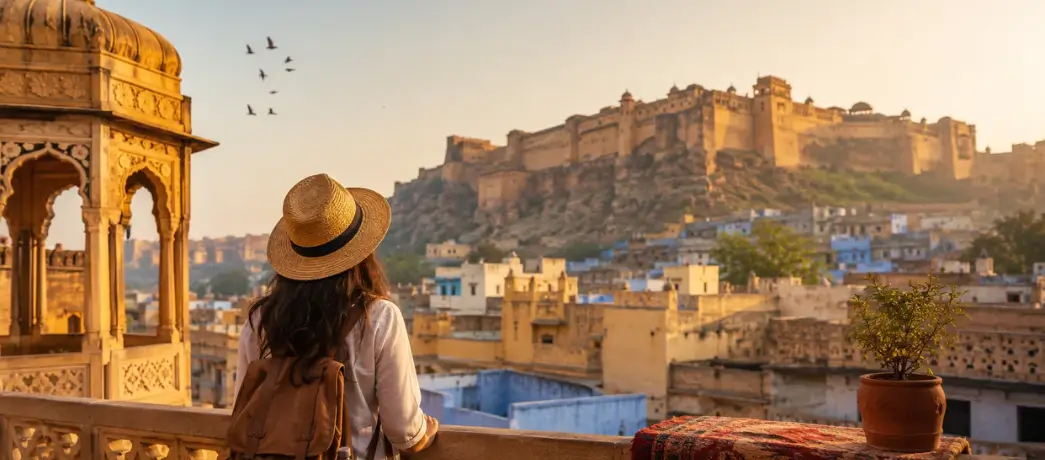
India is unlike almost any other travel destination in the world. It is larger, more diverse, more complex, and more culturally layered than many first-time visitors anticipate. A single trip can include royal palaces, ancient temples, Himalayan landscapes, wildlife reserves, spiritual ceremonies, luxury hotels, colonial cities, tropical backwaters, and bustling modern metropolises.
This extraordinary diversity is one of India's greatest strengths. It is also the reason why planning an India trip requires more thought than many travelers initially expect.
Every year, thousands of international visitors arrive in India with carefully researched itineraries, hotel reservations, and sightseeing plans. Yet many still encounter avoidable challenges because they approach India using assumptions developed from travel experiences in Europe, North America, Australia, or Southeast Asia.
The issue is not that India is difficult to visit. In fact, modern tourism infrastructure, luxury accommodations, private transportation, domestic aviation networks, and professional tour services have made travel significantly easier than ever before. The challenge is that India operates differently. Distances feel different. Travel times feel different. Cultural experiences feel different. Expectations often need adjustment.
Many first-time visitors make the same planning mistakes repeatedly. Some try to cover too much territory. Others underestimate travel times. Some focus only on famous landmarks while missing regional experiences that would suit them better. Others neglect practical aspects such as seasonality, transportation logistics, or itinerary pacing.
Understanding these common mistakes before departure can dramatically improve the quality of an India journey. Travelers who plan realistically often discover that India becomes one of the most rewarding destinations they have ever visited.
Learn the most common travel planning mistakes foreign visitors make and discover how to enjoy a smoother, more rewarding journey across India.
Perhaps the most common mistake first-time visitors make is attempting to see too much.
Many travelers begin researching India and quickly become overwhelmed by the number of famous destinations. They want to visit Delhi, Agra, Jaipur, Udaipur, Jodhpur, Varanasi, Mumbai, Goa, Kerala, Bengaluru, Chennai, Ladakh, and several national parks all within a single trip.
On paper, such an itinerary may appear exciting. In reality, it often creates exhaustion rather than enjoyment.
India is enormous. The country covers a geographical area larger than many travelers realize. Distances between destinations can be substantial, and transportation time often consumes a larger portion of the itinerary than expected.
A traveler with twelve days available may initially design a schedule containing eight or nine destinations. The result is often constant packing, hotel changes, airport transfers, and limited time to genuinely experience each location.
The most successful India itineraries focus on regions rather than attempting national coverage. A well-designed Golden Triangle Tour, a focused Rajasthan itinerary, a South India cultural journey, or a Kerala private tour often provides a far richer experience than an overly ambitious nationwide schedule.
Travelers frequently discover that spending three nights in Udaipur creates more meaningful memories than rushing through three additional cities.
India rewards depth more than quantity.
One reason travelers overpack their itineraries is that they underestimate how long it takes to move between destinations.
Looking at a map can be misleading. Cities may appear relatively close together, yet actual travel time can be significantly longer than expected.
A transfer between two destinations often involves more than simply sitting in a vehicle. Travelers must consider hotel check-outs, airport arrivals, security procedures, boarding processes, baggage collection, transfers, and hotel check-ins.
Even domestic flights frequently consume half a day when all related logistics are included.
Road travel also requires realistic expectations. While many major highways have improved considerably, sightseeing stops, traffic conditions, and regional factors influence journey times.
Travelers accustomed to high-speed rail networks or short European travel distances sometimes assume they can move rapidly across India. In practice, a comfortable itinerary requires generous allowances for transportation.
Experienced travel planners often emphasize quality sightseeing days rather than maximizing destination count.
A relaxed schedule consistently produces a better travel experience than a rushed one.
Another major planning error involves misunderstanding India's climate.
Many visitors assume that India experiences a single weather pattern across the entire country. In reality, climate conditions vary dramatically depending on geography and season.
Rajasthan, Kerala, Ladakh, the Himalayas, central India, and coastal regions all experience different weather patterns.
A traveler may arrive expecting mild conditions only to encounter intense heat in one region or unexpected rain in another.
This becomes particularly problematic when travelers select destinations without considering seasonal suitability.
For example, mountain regions, desert destinations, tropical areas, and wildlife reserves each have periods when travel conditions are especially favorable.
Weather influences sightseeing comfort, wildlife visibility, transportation reliability, and overall enjoyment.
Successful travelers plan destinations around seasonal conditions rather than selecting locations solely based on popularity.
Understanding regional climate patterns is one of the most important aspects of India trip planning.
From transportation and accommodations to cultural expectations, learn how to avoid the mistakes many first-time visitors make.
The Taj Mahal deserves its reputation. Jaipur's palaces are remarkable. Varanasi is unforgettable.
However, many first-time visitors build itineraries entirely around internationally famous attractions while overlooking destinations that might better match their interests.
India's tourism marketing often emphasizes iconic landmarks, but some of the country's most memorable experiences occur elsewhere.
A traveler interested in photography may enjoy Udaipur more than a crowded monument. A nature enthusiast may find greater satisfaction in Kerala or the Himalayas. A culture-focused traveler may prefer rural Rajasthan, temple towns, or heritage cities that receive fewer international visitors.
The most rewarding itineraries often combine famous landmarks with lesser-known experiences.
Rather than simply asking which destinations are most famous, travelers should consider which destinations align most closely with their interests.
This approach usually produces a more personal and satisfying journey.
Many international visitors initially assume they should rely heavily on public transportation because that approach works well in many other countries.
While trains and domestic flights can be excellent options, many travelers underestimate the benefits of private car and driver services in India.
Private transportation offers flexibility, convenience, comfort, and local knowledge. Travelers can adjust schedules, stop for photography, visit smaller attractions, and avoid logistical complications.
For first-time visitors, especially those exploring Rajasthan, the Golden Triangle, or multi-city itineraries, private transportation often simplifies travel considerably.
Many travelers discover that a professional driver reduces stress while improving overall comfort and efficiency.
The value becomes particularly noticeable when moving between multiple destinations.
Some travelers reserve hotels before fully understanding how destinations connect.
This approach often creates inefficient routes, excessive travel time, and unnecessary transportation challenges.
Accommodation decisions should support the itinerary rather than dictate it.
Before booking hotels, travelers should establish their route, transportation strategy, sightseeing priorities, and realistic travel pace.
Once the broader structure is clear, accommodation selection becomes much easier.
The best hotel is not always the most luxurious or highest-rated property. It is the one that fits naturally into the overall travel plan.
Proper sequencing of planning decisions prevents many common travel frustrations.
One of the greatest surprises for first-time visitors is how dramatically different Indian cities feel from one another.
Delhi, Mumbai, Jaipur, Udaipur, Kochi, Varanasi, Bengaluru, and Kolkata each possess unique personalities.
Travelers sometimes build itineraries assuming that all cities provide similar experiences. This leads to missed opportunities and unrealistic expectations.
Understanding regional differences helps travelers choose destinations more effectively.
Someone interested in heritage hotels may prefer Rajasthan. A traveler seeking wellness experiences may gravitate toward Kerala. Spiritual travelers often prioritize Varanasi and Rishikesh.
India should be viewed as a collection of diverse regions rather than a single uniform destination.
Recognizing this distinction significantly improves itinerary quality.
Travel insurance is often treated as an afterthought.
Many travelers focus heavily on flights, hotels, and sightseeing while overlooking insurance coverage until the final stages of planning.
Comprehensive India travel insurance provides protection against medical emergencies, trip interruptions, baggage issues, and transportation disruptions.
Even travelers who rarely use insurance often appreciate the peace of mind it provides.
Medical facilities in major Indian cities can be excellent, but treatment costs and logistical challenges remain important considerations.
Insurance is one of the simplest ways to reduce travel risk.
Packing mistakes are surprisingly common among first-time visitors.
Travelers often assume India is uniformly hot throughout the year. Others bring clothing that does not match regional conditions or planned activities.
Packing should reflect specific destinations and travel dates rather than general assumptions about the country.
Mountain regions, deserts, coastal areas, and cities all require different considerations.
Comfortable footwear, appropriate layers, sun protection, medications, and practical travel accessories contribute significantly to overall comfort.
Thoughtful packing simplifies daily travel and improves flexibility throughout the journey.
Perhaps the most important mistake involves expectations.
Travelers sometimes evaluate every experience according to standards developed elsewhere rather than appreciating India on its own terms.
India functions differently from many Western countries. The pace, rhythms, cultural norms, social interactions, and daily routines often differ significantly.
Visitors who arrive with curiosity, patience, flexibility, and openness usually enjoy the country far more than those expecting complete familiarity.
India rewards adaptability.
Unexpected encounters, spontaneous experiences, and moments outside the original itinerary frequently become the highlights of the journey.
The travelers who embrace these differences often leave with the strongest memories.
Most first-time visitors arrive in India with excitement and curiosity. Those emotions remain strongest when itineraries are realistic, expectations are balanced, and planning decisions reflect the country's unique characteristics.
India is not a destination that needs to be conquered or completed. It is a destination that benefits from thoughtful exploration.
Travelers who slow down, focus on quality experiences, choose destinations carefully, and remain open to discovery often find that one trip leads naturally to another.
The country offers far more than can be experienced in a single visit, which is precisely why so many travelers return again and again.
Trying to visit too many destinations within a limited timeframe is the most common mistake.
Most travelers enjoy a more comfortable experience when focusing on a manageable number of destinations.
Yes. Many visitors find private vehicles and drivers significantly improve comfort and flexibility.
Yes. Weather conditions vary dramatically across the country.
No. Combining iconic landmarks with lesser-known destinations often creates a richer experience.
Comprehensive travel insurance is strongly recommended for international visitors.
Several months of planning generally provides the best flexibility and availability.
Domestic flights are useful, but travelers should also account for airport and transfer logistics.
Yes. With proper planning, India can be an extremely rewarding destination for first-time visitors.
Curiosity, patience, flexibility, and openness to new experiences usually lead to the most rewarding journeys.