

17 Oct 2025
India has always been regarded as the spiritual heartbeat of the world — a land where philosophy, devotion, and daily life are inseparable. For centuries, travelers have arrived here not just to see monuments but to seek meaning, balance, and connection. The chants echoing on riverbanks, temple bells at dawn, and incense drifting through old streets create a rhythm that quietly pulls every visitor inward.
For foreign travelers who wish to go beyond sightseeing and touch the country’s living faith, India offers countless pilgrimage circuits that link its holy cities, shrines, monasteries, and ashrams. Each circuit tells a different story — of gods, gurus, festivals, and the human search for purpose.
Here are the top spiritual circuits of India that reveal its sacred geography and eternal wisdom.
This circuit captures the spiritual north, where the Ganges flows like a living goddess through cities of prayer.
Haridwar marks the place where the river leaves the mountains. Every evening, thousands gather for the Ganga Aarti at Har Ki Pauri ghat, offering lamps that float down the current — a sight of faith and community.
A short drive upriver lies Rishikesh, surrounded by forested hills and suspended bridges. Known as the Yoga Capital of the World, it is home to world-famous ashrams such as Parmarth Niketan and Sivananda. Meditation sessions, yoga retreats, and chanting along the riverbanks attract seekers from across continents.
From there, travelers often fly or drive east to Varanasi, the oldest living city on Earth. Its labyrinthine lanes, thousands of temples, and burning ghats along the Ganges create an atmosphere where life and death meet in acceptance.
Best time: October to March
For those drawn to the life and teachings of the Buddha, this route traces the footprints of enlightenment itself.
In Bodhgaya, under the sacred Bodhi tree, Siddhartha attained enlightenment 2,500 years ago. The Mahabodhi Temple, with its calm courtyards and chanting monks, still radiates that silence.
Nearby Rajgir and Nalanda hold ruins of ancient monastic universities that once attracted scholars from China, Tibet, and Sri Lanka. Moving north, Kushinagar marks the place of the Buddha’s Mahaparinirvana, symbolizing peace beyond suffering.
The circuit concludes at Sarnath, near Varanasi, where the Buddha delivered his first sermon. Together these sites form one of the most sacred journeys for Buddhists worldwide.
Best time: November to February
The Char Dham Yatra is among India’s highest pilgrimages — literally and spiritually. Set in the Himalayas of Uttarakhand, it involves four temples representing different elements of the cosmos.
Foreigners who travel this circuit often speak of the sheer humility it brings — driving through mountains, walking on narrow trails, and feeling the closeness of heaven and earth.
Best time: May to October
While northern India vibrates with rivers and rituals, the south celebrates devotion through grand temples carved from granite and covered with color.
Start in Madurai, home to the majestic Meenakshi Amman Temple, a living complex where thousands pray, trade, and perform rituals daily. Drive east to Rameswaram, where Lord Rama is believed to have built a bridge to Lanka. Pilgrims bathe in 22 sacred wells before entering the Ramanathaswamy Temple.
Then travel north toward Kanchipuram, known for its thousand temples and fine silk weaving traditions. Conclude the journey at Tirupati Balaji, one of the wealthiest and most visited temples in the world.
This route reveals the depth of Dravidian architecture, temple music, and centuries-old rituals that still thrive today.
Best time: October to February
Gujarat offers a pilgrimage trail that combines devotion, history, and oceanic beauty.
Begin at Dwarka, the kingdom of Lord Krishna, where the Dwarkadhish Temple stands proudly overlooking the Arabian Sea. Then travel down the coast to Somnath, one of the twelve Jyotirlingas of Shiva, repeatedly destroyed and rebuilt through centuries — symbolizing faith’s endurance.
Further inland lies Girnar Hill, climbed by thousands of Jain and Hindu pilgrims. Nearby Palitana glitters with over 800 marble Jain temples on Shatrunjaya Hill — a breathtaking view at sunrise.
This circuit introduces visitors to Gujarat’s sacred geography and the spirit of resilience that defines its people.
Best time: November to March
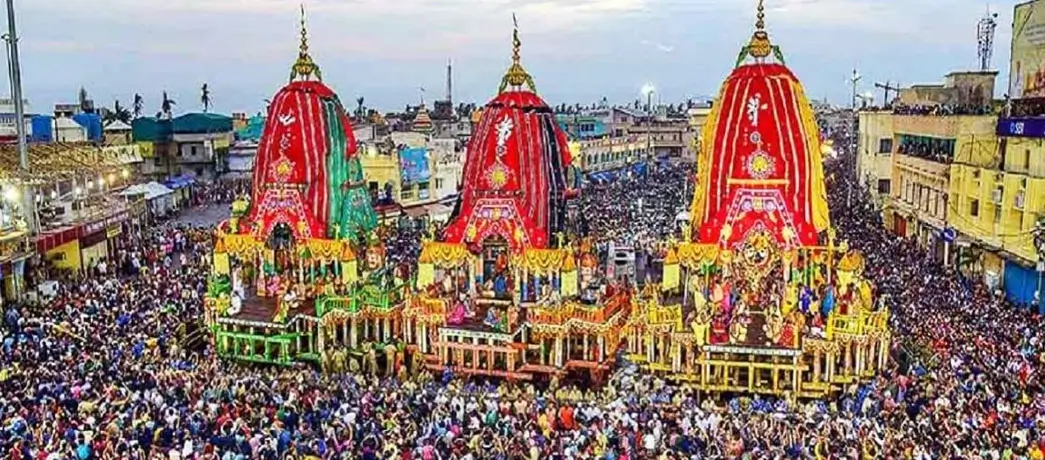
Odisha’s eastern coast blends faith, art, and timeless ritual. The Jagannath Temple of Puri is not just a shrine but a universe in motion — its annual Rath Yatra attracts millions, symbolizing unity and service.
Nearby Konark holds the Sun Temple, an architectural marvel shaped like a colossal chariot. In Bhubaneswar, known as the City of Temples, every stone seems to carry divine carvings.
Foreign travelers often add this route to their Golden Triangle tours, combining Delhi, Agra, and Jaipur with Puri’s coastal spirituality. The aroma of temple food, sound of conches, and sea breeze create an unforgettable sensory memory.
Best time: October to February
India’s Sikh pilgrimage circuit centers around humility, service, and equality.
Amritsar’s Golden Temple (Sri Harmandir Sahib) stands as a global symbol of peace. Its marble causeways, shimmering waters, and the sound of continuous kirtan move visitors regardless of faith. The Langar, or community kitchen, serves free meals to thousands daily — embodying shared humanity.
Further journeys lead to Anandpur Sahib (the birthplace of Khalsa), Patna Sahib in Bihar (Guru Gobind Singh’s birthplace), and Hazur Sahib Nanded in Maharashtra (where he spent his final days).
Together these sites define Sikhism’s message of discipline and devotion.
Best time: November to March
The quiet dignity of Jain pilgrimage routes appeals to travelers who prefer reflection over crowds.
In Karnataka, Shravanabelagola features the 57-foot statue of Bahubali, a timeless image of renunciation carved from a single stone. In Rajasthan, Mount Abu’s Dilwara Temples reveal marble craftsmanship so delicate it appears translucent. Palitana in Gujarat completes the triad with its cluster of hilltop sanctuaries.
These destinations highlight India’s ancient emphasis on non-violence and discipline, reminding every visitor that peace begins with restraint.
Best time: October to March
For travelers seeking calm in mountain monasteries, the Eastern Himalayas offer an exceptional spiritual landscape.
In Darjeeling, monasteries like Ghoom and Bhutia Busty overlook tea gardens and distant snow peaks. Kalimpong preserves Tibetan craft and monastic traditions. Crossing into Sikkim, Gangtok’s Enchey and Rumtek monasteries represent the Kagyu lineage of Buddhism.
The rhythmic chanting of monks, colorful prayer flags fluttering in the wind, and views of Kanchenjunga together create a sanctuary above the noise of modern life.
Best time: March to June and October to December
Rajasthan’s desert holds devotion that thrives amid sand and simplicity.
Pushkar surrounds a rare temple dedicated to Lord Brahma and a sacred lake believed to have divine origins. Every November, during the Pushkar Camel Fair, the town transforms into a vivid spiritual and cultural carnival.
Nearby Ajmer is home to the Dargah Sharif of Khwaja Moinuddin Chishti, one of India’s most revered Sufi shrines. Pilgrims of all faiths gather here to pray, listen to qawwalis, and feel unity beyond religion. End the journey at Nathdwara, where Lord Krishna is worshipped as Srinathji with rituals that preserve centuries of devotion.
This circuit perfectly reflects India’s inclusiveness — where Hindu temples, Sufi dargahs, and Krishna shrines coexist harmoniously.
Best time: October to March
For those who seek untouched spiritual landscapes, Arunachal Pradesh in India’s far northeast offers purity in isolation.
The Tawang Monastery, the largest in India, stands like a fortress of faith at 10,000 feet, overlooking clouds and valleys. Bomdila Monastery reflects calm Tibetan architecture, while Ziro connects visitors with indigenous Apatani culture that respects nature as divine.
This route combines spirituality, ecology, and breathtaking beauty — ideal for travelers wanting both cultural depth and adventure.
Best time: April to October
Foreign visitors often wonder how to travel through sacred places respectfully while enjoying comfort. The key lies in slow travel with a private car and driver, allowing time to absorb local customs, attend rituals, and converse with residents. Dressing modestly, avoiding flash photography in temples, and participating quietly during ceremonies shows appreciation for local traditions.
Combining these circuits with stays at heritage hotels, riverside ashrams, or eco-resorts enhances authenticity without compromising convenience. Spiritual India rewards those who travel with patience — every chant, every temple bell, every smile adds a new meaning to the journey.
Most sites are open to all visitors. Only certain border areas like Arunachal Pradesh require inner-line permits, easily arranged through travel agencies.
Yes. India’s pilgrimage towns are respectful toward women visitors, though modest clothing is recommended inside temples or mosques.
Absolutely. Many India tour packages with private driver cover Haridwar, Rishikesh, Varanasi, and southern temples conveniently.
The Delhi–Haridwar–Rishikesh–Varanasi route is ideal for beginners due to easy access and rich cultural experiences.
Yes, most ceremonies are public. Participation should be silent and respectful unless invited by priests.
A well-planned journey covering 3–4 major sites takes 10–15 days using a private car and driver.
It depends on the temple or monastery. Always check local signs or ask guides before taking pictures.
Char Dham, Periyar, and Tawang routes beautifully merge mountain or forest scenery with sacred heritage.
Attend Kumbh Mela, Diwali in Varanasi, Rath Yatra in Puri, or Guru Nanak Jayanti in Amritsar for memorable cultural immersion.
Respect local customs, use reusable bottles, support community-run lodges, and choose eco-friendly India tours that benefit residents.