03 Sep 2025
South India Tour Highlights
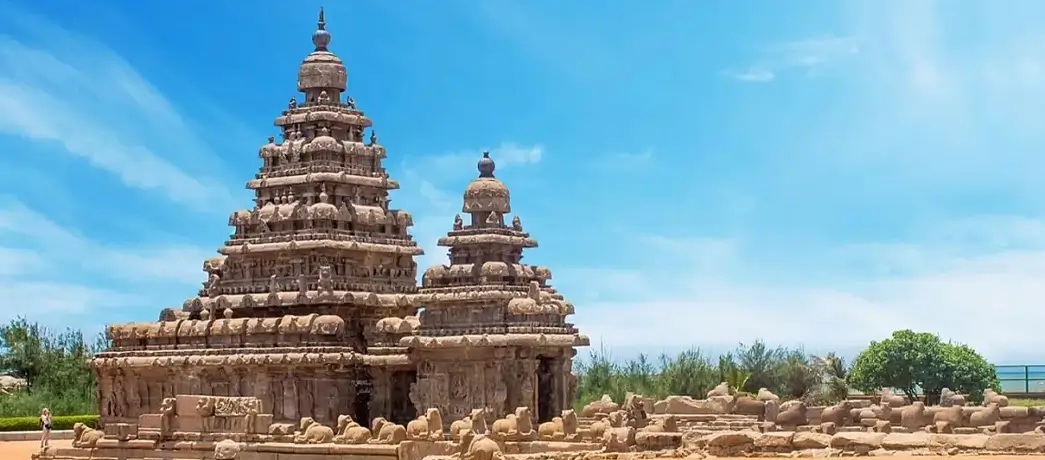
South India Tour Highlights: Temples, Backwaters & Beaches
When travelers think of India, they often imagine the Taj Mahal, Rajasthan’s forts, or the busy streets of Delhi. Yet, South India offers an entirely different experience—one of spiritual depth, natural beauty, and coastal charm. Known for its ancient Dravidian temples, Kerala’s backwaters, Goa’s beaches, wildlife sanctuaries, Ayurveda retreats, and rich cuisines, South India is a paradise for those who wish to explore beyond the Golden Triangle.
This blog is a complete 2500+ words guide to South India’s highlights, covering temples, backwaters, beaches, festivals, cuisine, and itineraries. If you are planning a trip, consider this your ultimate roadmap.
1. The Spiritual Essence – Temples of South India
South India is often called the land of temples, with thousands of shrines dedicated to various deities, showcasing Dravidian architecture, intricate carvings, and spiritual rituals.
1.1 Tamil Nadu – The Temple State
Tamil Nadu is home to some of the most magnificent temples in India:
- Meenakshi Amman Temple (Madurai): Famous for its towering gopurams and colorful sculptures.
- Brihadeeswarar Temple (Thanjavur): A UNESCO World Heritage site built by the Chola dynasty.
- Rameswaram Temple: One of the Char Dham pilgrimage sites, with India’s longest temple corridor.
- Kanchipuram Temples: Known as the “city of thousand temples” and famous for silk sarees.
1.2 Karnataka’s Sacred Shrines
- Virupaksha Temple (Hampi): UNESCO site with 7th-century origins.
- Murudeshwar Temple: Towering Shiva statue by the sea.
- Sringeri and Dharmasthala: Important spiritual centers.
1.3 Andhra Pradesh & Telangana Temples
- Tirupati Balaji (Tirumala): One of the world’s richest and most visited temples.
- Srikalahasti Temple: Famous for Rahu-Ketu pooja.
- Yadadri Temple (Telangana): Sacred to Narasimha Swamy.
1.4 Kerala’s Unique Temples
- Padmanabhaswamy Temple (Trivandrum): Known for its hidden treasures.
- Guruvayur Temple: Popular Krishna temple.
- Sabarimala: Major pilgrimage site attracting millions.
Temples in South India are not just places of worship; they are living museums of art, music, dance, and spirituality.
2. The Backwaters – Kerala’s Jewel
When people imagine South India, the image of houseboats cruising through Kerala’s backwaters often comes to mind.
2.1 What are the Backwaters?
The backwaters are a network of lakes, canals, lagoons, and rivers running parallel to the Arabian Sea. They offer a unique ecosystem where you can experience:
- Houseboat stays with traditional Kerala meals.
- Village life, coir making, and toddy tapping.
- Scenic beauty of coconut palms, rice fields, and migratory birds.
2.2 Best Backwater Destinations
- Alleppey (Alappuzha): The houseboat capital of India.
- Kumarakom: Luxury resorts and bird sanctuary.
- Kollam: Quieter backwater experience.
- Bekal: Offbeat backwaters with historic fort nearby.
2.3 Experiences in the Backwaters
- Romantic cruises for honeymooners.
- Ayurvedic treatments in lakeside resorts.
- Birdwatching tours in Kumarakom and Thattekad.
- Village experiences—cooking classes, paddy field tours.
The backwaters offer the perfect escape from city life, combining serenity, culture, and luxury.
3. Beaches of South India
While Goa often dominates discussions about Indian beaches, South India has some of the cleanest and most scenic coastlines.
3.1 Kerala Beaches
- Varkala: Cliffside beach with yoga retreats and cafes.
- Kovalam: Famous for lighthouse views and water sports.
- Marari: Secluded, ideal for peace seekers.
3.2 Karnataka Beaches
- Gokarna: Backpacker’s paradise with Om Beach, Kudle Beach.
- Karwar: Less crowded, with golden sands.
- St. Mary’s Island: Famous for basalt rock formations.
3.3 Tamil Nadu Beaches
- Marina Beach (Chennai): World’s second-longest urban beach.
- Mahabalipuram: Temple shorelines with UNESCO heritage.
- Kanyakumari: Where Arabian Sea, Bay of Bengal & Indian Ocean meet.
3.4 Andhra & Telangana Beaches
- Rishikonda (Vizag): Perfect for water sports.
- Bheemili: Historic and scenic coastline.
South India’s beaches are ideal for relaxation, surfing, seafood, and cultural exploration.
4. Wildlife & Nature in South India
South India is a biodiversity hotspot with national parks and reserves:
- Periyar Wildlife Sanctuary (Kerala): Famous for elephants and boating safaris.
- Bandipur & Nagarhole (Karnataka): Tiger reserves with rich wildlife.
- Wayanad (Kerala): Green hills and tribal heritage.
- Mudumalai (Tamil Nadu): Elephants, leopards, and birdlife.
- Silent Valley (Kerala): Pristine rainforest ecosystem.
5. South Indian Cuisine
Food is a big part of South Indian culture. Each state has unique flavors:
- Tamil Nadu: Idli, dosa, sambar, Chettinad chicken.
- Kerala: Appam with stew, fish curry, Kerala sadya.
- Karnataka: Bisi Bele Bath, Mysore Pak, Neer Dosa.
- Andhra/Telangana: Spicy biryani, gongura pickle, pesarettu.
Don’t miss filter coffee and banana leaf meals—a South Indian specialty.
6. Festivals of South India
Festivals here reflect spirituality and community:
- Pongal (Tamil Nadu): Harvest festival in January.
- Onam (Kerala): Celebrated with boat races and floral rangolis.
- Mysore Dasara (Karnataka): Royal celebrations with elephant processions.
- Thrissur Pooram (Kerala): Grand temple festival with fireworks.
- Ugadi (Andhra & Telangana): Telugu New Year.
7. Suggested South India Itinerary (12–14 Days)
- Day 1–2: Chennai & Mahabalipuram – Temples & coastal heritage.
- Day 3–4: Pondicherry – French colonial charm & Auroville.
- Day 5–6: Madurai & Rameswaram – Ancient temples.
- Day 7–9: Kerala Backwaters (Alleppey/Kumarakom) – Houseboat & Ayurveda.
- Day 10–11: Thekkady (Periyar) – Wildlife safari.
- Day 12–14: Kovalam/Varkala – Beaches & relaxation.
Optional: Add Coorg (coffee estates) or Hampi (UNESCO ruins).
8. Travel Tips for South India
- Best Time to Visit: October–March (cool and pleasant).
- Transport: Flights, trains, and private cars are best.
- Language: English is widely spoken, though Tamil, Telugu, Kannada, and Malayalam are main languages.
- Clothing: Light cottons; modest attire in temples.
- Stay: Choose heritage hotels, homestays, or luxury resorts.
South India is more than just a region—it’s an experience of diversity. With temples steeped in history, backwaters that soothe the soul, and beaches that invite relaxation, this journey offers a holistic look at India’s cultural and natural wealth. Whether you are a pilgrim, honeymooner, adventure-seeker, or family traveler, South India has something magical to offer.