

08 Feb 2026
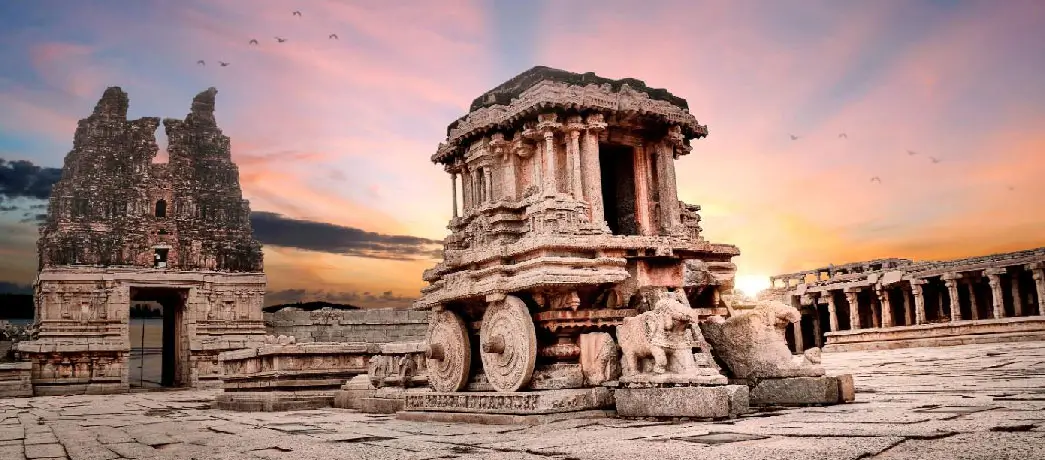
South India offers a completely different personality compared to the northern regions of the country. While North India is often defined by Mughal monuments and desert forts, South India is rooted in ancient temple architecture, coastal landscapes, spice plantations, classical music traditions, and tranquil backwaters. For foreign travelers seeking depth, spirituality, visual diversity, and a slower cultural rhythm, a well-designed South India cultural tour route delivers a powerful and immersive experience.
Unlike shorter city-focused trips, South India requires thoughtful sequencing. Distances between major heritage centers can be significant, and climatic variations differ from the north. When planned strategically as a private South India tour package, the journey unfolds comfortably across temple cities, colonial coastal towns, and serene water landscapes. India Tours Packages designs curated itineraries that prioritize smooth travel flow, premium heritage accommodation, and meaningful cultural engagement.
This detailed guide explores how to structure a comprehensive South India private cultural itinerary, covering Tamil Nadu, Kerala, and parts of Karnataka, while maintaining pacing, comfort, and experiential depth.
Chennai serves as the natural starting point for most South India itineraries. As a coastal metropolitan city, it blends colonial architecture with deeply rooted Tamil traditions. Beginning here allows travelers to ease into the cultural shift from North India’s Mughal influences to South India’s Dravidian heritage.
The Kapaleeshwarar Temple in Mylapore introduces visitors to temple architecture characterized by towering gopurams covered in colorful mythological sculptures. Unlike marble mausoleums of the north, South Indian temples are vibrant and vertical, creating visually intricate compositions.
San Thome Basilica reflects colonial-era influence, demonstrating how Christianity also became part of the region’s history. Marina Beach offers a coastal perspective, where early morning walks reveal local life unfolding organically.
Chennai sets the stage for a South India cultural travel experience, providing context before moving deeper into temple-rich landscapes.
Explore the South India Cultural Route and immerse yourself in a journey through timeless heritage, ancient temples, royal architecture, and vibrant traditions.
Driving south from Chennai along the East Coast Road reveals scenic coastal stretches leading to Mahabalipuram. This UNESCO-listed site is known for ancient rock-cut temples and monolithic sculptures dating back centuries.
The Shore Temple, standing against the Bay of Bengal, offers dramatic sunrise photography opportunities. The Five Rathas complex showcases carved stone structures shaped from single rocks. Bas-relief panels depict mythological scenes carved directly into stone walls.
Mahabalipuram feels open and breezy compared to dense urban centers. The coastal setting adds visual balance to temple architecture, blending sea horizon with granite carvings.
Including Mahabalipuram in a private South India itinerary introduces both architectural heritage and coastal ambiance early in the journey.
Further south lies Tanjore, home to the monumental Brihadeeswarar Temple. This UNESCO-listed temple stands as one of the most extraordinary achievements of Chola dynasty architecture.
Unlike northern monuments, South Indian temples function as active religious spaces. The towering vimana rises dramatically above surrounding structures, while inner courtyards reveal intricate carvings and ritual life.
Visiting Tanjore provides insight into Tamil civilization, bronze artistry, and classical traditions. The temple complex feels expansive yet intimate, offering both architectural drama and spiritual depth.
A carefully structured South India temple tour route ensures adequate time to appreciate the scale and symbolism embedded within these sacred spaces.
Madurai represents one of South India’s oldest continuously inhabited cities. The Meenakshi Amman Temple forms its cultural core, with towering gopurams decorated in thousands of painted sculptures.
The temple’s evening ceremony offers a powerful cultural experience, where music, chanting, and ritual movement create immersive atmosphere. Exploring Madurai requires sensitivity and respect, as temples remain active religious centers.
Beyond the temple, the city’s markets and food culture provide additional engagement. Guided exploration enhances understanding of mythology and temple symbolism.
Madurai deepens the South India cultural travel itinerary, emphasizing living tradition rather than historical monumentality alone.
Transitioning from Tamil Nadu into Kerala shifts both scenery and rhythm. Kerala introduces lush greenery, coconut groves, and interconnected backwaters. Alleppey and Kumarakom offer houseboat experiences that contrast dramatically with temple-heavy days.
Floating through narrow canals reveals village life along the water’s edge. Early morning mist rising over the backwaters creates peaceful visual compositions. Unlike monument visits, backwater travel emphasizes relaxation and reflection.
Kerala’s slower pace provides balance within a comprehensive South India private tour package. After intense temple exploration, tranquil landscapes restore energy.
Kochi blends Portuguese, Dutch, and British colonial influences with Kerala’s local traditions. Chinese fishing nets along the harbor create distinctive silhouettes at sunset. Colonial streets reveal pastel-colored houses, art galleries, and boutique cafés.
Kathakali dance performances introduce classical storytelling traditions through elaborate costume and expressive gestures. Spice markets reflect the region’s historic role in global trade networks.
Fort Kochi’s relaxed atmosphere complements the journey’s cultural arc. Including it within a South India heritage route adds diversity beyond temple architecture.
Extending the itinerary into Karnataka introduces Mysore’s royal palace culture. Mysore Palace, illuminated in the evening, offers a different architectural language compared to Tamil temple complexes.
The city’s gardens and colonial-era boulevards provide open, structured spaces that contrast with temple density. Nearby Chamundi Hills offer elevated views.
Mysore enhances the South India cultural circuit by incorporating royal heritage alongside spiritual landmarks.
A well-sequenced itinerary might follow Chennai, Mahabalipuram, Tanjore, Madurai, Kerala backwaters, Kochi, and optionally Mysore. This logical flow minimizes backtracking and balances temple intensity with scenic relief.
Private transport ensures seamless movement between cities, avoiding train coordination complexities. Daily driving hours should remain manageable to prevent fatigue.
Heritage hotels, boutique colonial properties, and premium backwater resorts elevate the travel experience. Selecting properties close to major temples reduces commute time during early morning visits.
Comfort consistency remains essential throughout the journey. Air conditioning, central location, and reliable service contribute significantly to overall satisfaction.
Discover South India’s Cultural Journey through a rich blend of heritage, tradition, and timeless beauty.
Temple visits require modest dress codes and respectful behavior. Advance awareness of local customs enhances comfort and avoids misunderstanding.
Weather in South India can be humid, particularly in coastal areas. Hydration, balanced pacing, and midday rest periods are essential.
Professional planning integrates these considerations into the itinerary, ensuring smooth execution of a private South India cultural tour.
Ten to fourteen days allow meaningful coverage of Tamil Nadu and Kerala. Shorter durations may focus on a smaller region, while longer trips can integrate Karnataka.
Balancing cultural intensity with relaxation ensures sustained engagement.
Private tours provide flexible temple visit timing, curated guide support, and comfortable transport. Unlike group tours, private itineraries adjust to energy levels and interests.
India Tours Packages structures South India routes that prioritize comfort, depth, and seamless logistics.
Yes, architecture, cuisine, and cultural traditions differ significantly.
Most major temples allow foreign visitors with modest dress.
Yes, Kerala’s backwaters offer tranquil experiences.
Three to four temple destinations provide balance without overload.
Private vehicles simplify logistics and enhance comfort.
Yes, Periyar National Park offers wildlife experiences.
Yes, with structured planning and reputable services.
Yes, boutique properties provide cultural immersion.
Hydration and balanced pacing mitigate discomfort.
Yes, private itineraries allow full personalization.