

09 Jul 2026
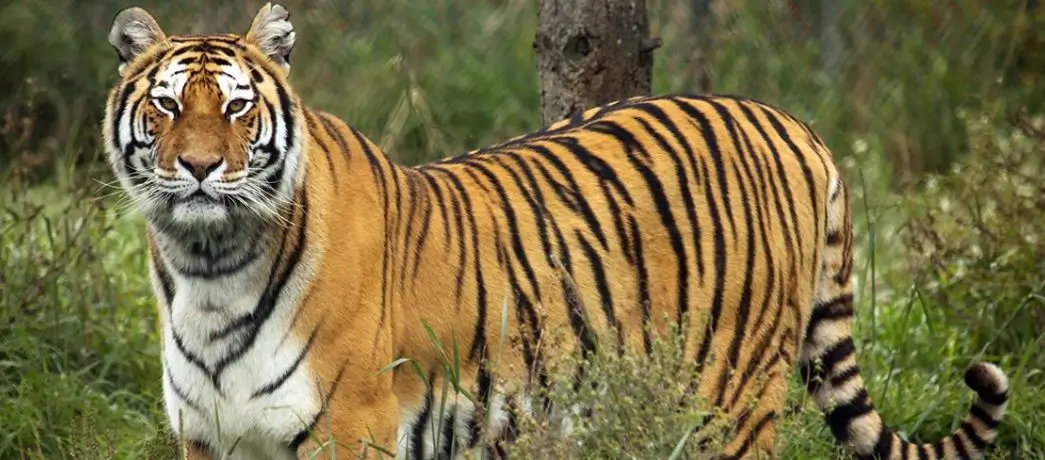
For many international travelers, seeing a Royal Bengal Tiger in the wild is one of the biggest reasons for visiting India. Few wildlife experiences compare to watching the world's largest cat walking confidently through its natural habitat. The excitement of entering the forest before sunrise, listening to alarm calls from deer, scanning the landscape through open safari vehicles, and finally spotting a tiger emerging from the trees creates a memory that lasts a lifetime.
India is home to more wild tigers than any other country, and several national parks provide outstanding safari experiences. Among them, three names consistently appear on every travel itinerary - Ranthambore National Park, Jim Corbett National Park, and Bandhavgarh National Park.
Choosing between these parks is not easy because each offers something unique.
Ranthambore National Park is famous for combining wildlife with magnificent historical ruins. Ancient forts, abandoned temples, lakes, and dramatic landscapes make every safari feel like an adventure through history as well as nature.
Jim Corbett National Park, India's oldest national park, is celebrated for its forests, rivers, elephants, birdlife, and diverse wildlife. The scenery is greener, the park is larger, and every safari explores a different landscape.
Bandhavgarh National Park is renowned for having one of the highest tiger sighting probabilities in India. Dense forests, rocky hills, bamboo vegetation, and experienced safari guides have made it a favorite among wildlife photographers and serious tiger enthusiasts.
Many first-time visitors assume that every safari in India offers the same experience. In reality, these three parks differ significantly in terms of accessibility, safari style, accommodation, wildlife diversity, landscape, and travel logistics.
Imagine driving through Ranthambore National Park as the early morning mist slowly disappears around ancient ruins while monkeys leap across old temple walls. Suddenly your guide whispers that a tiger has been spotted crossing the track ahead.
Now imagine entering Bandhavgarh, where dense forest surrounds the safari vehicle. Fresh pugmarks appear on the dusty road, alarm calls echo through the trees, and moments later a magnificent Bengal tiger walks directly across the trail before disappearing into the bamboo forest.
A completely different experience awaits in Jim Corbett National Park, where river crossings, grasslands, dense forests, and Himalayan foothills create one of India's most scenic safari destinations. Alongside tigers, visitors frequently encounter elephants, crocodiles, deer, wild boar, and hundreds of bird species.
Each destination offers unforgettable wildlife encounters, but the ideal choice depends on your itinerary, travel budget, photography interests, available time, and safari expectations.
This detailed comparison examines every important factor, including tiger sighting chances, safari zones, transportation, accommodation, costs, accessibility, wildlife diversity, photography opportunities, and which tiger reserve offers the best experience for first-time foreign visitors.
Whether you want royal landscapes, deep forests, or thrilling tiger encounters, we design private wildlife journeys with expert planning and unforgettable safari experiences.
Among all wildlife destinations in India, Ranthambore National Park is often the first choice for international travelers.
One of the biggest reasons is convenience.
Located in Rajasthan, Ranthambore fits perfectly into the famous Golden Triangle Tour. Travelers can easily visit Delhi, Agra, Ranthambore, and Jaipur within a single itinerary without requiring additional domestic flights.
This accessibility makes it one of the easiest tiger reserves to include in a North India Tour Package.
The landscape of Ranthambore is unlike any other national park in India.
Instead of dense jungle alone, visitors explore lakes, rocky cliffs, open grasslands, banyan trees, ancient temples, abandoned hunting lodges, and the magnificent Ranthambore Fort overlooking the forest.
This combination of history and wildlife creates extraordinary photography opportunities.
Even when tigers remain hidden, every safari offers beautiful scenery and frequent sightings of other wildlife.
Common animals include:
Because of its relatively open terrain, tiger sightings can sometimes be easier than in heavily forested reserves, particularly when experienced naturalists and skilled safari drivers work together.
Accommodation around Ranthambore also caters exceptionally well to international tourists.
Popular options range from comfortable safari lodges to luxurious jungle resorts offering swimming pools, nature walks, traditional Rajasthani cuisine, and wildlife lectures.
Typical accommodation costs for two adults:
| Hotel Category | Average Cost Per Night |
| Comfortable Safari Hotel | USD 80–140 |
| Premium Jungle Resort | USD 180–300 |
| Luxury Safari Lodge | USD 350–700 |
| Ultra Luxury Wildlife Resort | USD 800–1,500+ |
Safari costs vary according to vehicle type, safari zone, and season, but most travelers book both a morning and afternoon safari to maximize the chance of observing wildlife.
Another advantage of Ranthambore is the variety of surrounding attractions.
Visitors can explore:
This makes the destination suitable even for family members who may not wish to participate in every safari.
For first-time foreign visitors combining wildlife with India's cultural attractions, Ranthambore National Park remains one of the most balanced and rewarding safari destinations in the country.
While Ranthambore National Park is often the easiest wildlife destination to include in a classic North India itinerary, Jim Corbett National Park and Bandhavgarh National Park provide equally remarkable safari experiences for travelers looking to explore India's extraordinary biodiversity. Each reserve has developed its own reputation among wildlife photographers, nature enthusiasts, and international visitors, making the final choice dependent on the kind of safari experience you hope to enjoy.
Rather than asking which park is universally better, it is more useful to understand what each destination specializes in. Some parks are known for easier accessibility, some for landscape diversity, while others are celebrated for consistently high tiger sighting opportunities.
Jim Corbett National Park – India's Oldest National Park
Located in the state of Uttarakhand, Jim Corbett National Park holds a special place in India's wildlife history. Established in the early twentieth century, it became the country's first national park and later inspired the famous Project Tiger conservation initiative.
Unlike Ranthambore's dry forests and ancient ruins, Corbett presents a landscape of rivers, dense forests, grasslands, valleys, and Himalayan foothills. Every safari feels different because the terrain changes continuously throughout the park.
Wildlife found in Corbett includes:
For birdwatchers, Corbett is often considered one of India's finest wildlife destinations.
The park is divided into several tourism zones, including Dhikala, Bijrani, Jhirna, Dhela, Garjia, Durga Devi, and Sitabani. Each zone offers different landscapes and wildlife viewing opportunities.
Accommodation ranges from riverside lodges to luxury jungle resorts.
Average hotel prices for two adults:
| Hotel Category | Average Cost Per Night |
| Comfortable Lodge | USD 90–150 |
| Premium Resort | USD 180–320 |
| Luxury Jungle Resort | USD 350–700 |
| Signature Wildlife Resort | USD 800–1,400+ |
Because the park covers a very large area with dense vegetation, tiger sightings can be less predictable than in some smaller reserves. However, visitors are rewarded with remarkable scenery and exceptional wildlife diversity.
Bandhavgarh National Park – One of India's Best Places to See Tigers
For travelers whose primary objective is seeing a Royal Bengal Tiger, Bandhavgarh National Park is frequently considered one of India's strongest choices.
Located in Madhya Pradesh, Bandhavgarh has earned an international reputation for excellent tiger sightings due to its healthy tiger population, experienced guides, and relatively concentrated safari zones.
The landscape combines dense forests, bamboo, grasslands, rocky cliffs, and the historic Bandhavgarh Fort situated high above the surrounding jungle.
Besides tigers, visitors regularly encounter:
Wildlife photographers often choose Bandhavgarh because the park provides outstanding opportunities for close wildlife encounters while maintaining responsible safari practices.
Luxury safari tourism has also developed significantly around the park.
Accommodation options include:
| Hotel Category | Average Cost Per Night |
| Comfortable Safari Lodge | USD 90–160 |
| Premium Jungle Resort | USD 200–350 |
| Luxury Safari Camp | USD 400–750 |
| Exclusive Wildlife Lodge | USD 900–1,600+ |
Many premium lodges also organize naturalist talks, village visits, birdwatching excursions, and evening wildlife presentations.
Combine luxury stays, private transportation, expert-guided safaris, and authentic wildlife experiences for a journey beyond the ordinary.
Comparing Ranthambore, Corbett and Bandhavgarh
Choosing between the three parks becomes easier when comparing them side by side.
| Feature | Ranthambore | Jim Corbett | Bandhavgarh |
| Best For | First-time visitors | Nature & birdlife | Tiger sightings |
| Accessibility | Excellent | Very Good | Moderate |
| Fits Golden Triangle | Yes | No | No |
| Landscape | Forts, lakes & dry forest | Rivers & forests | Dense jungle & hills |
| Tiger Sighting Potential | High | Moderate | Very High |
| Birdwatching | Good | Excellent | Very Good |
| Luxury Lodges | Excellent | Excellent | Excellent |
| Photography | Excellent | Excellent | Outstanding |
Each park excels in different areas, making the decision dependent on your travel priorities rather than a single ranking.
Safari Costs
Safari pricing varies depending on vehicle type, tourism zone, permit availability, and nationality.
A realistic estimate for foreign visitors includes:
| Expense | Estimated Cost Per Person |
| Shared Jeep Safari | USD 40–70 |
| Private Jeep Safari | USD 150–300 |
| Naturalist Guide | Often Included |
| Camera Fees | Usually Included |
Most wildlife experts recommend booking at least two or three safaris, as every drive through the forest presents different wildlife opportunities.
Which Tiger Reserve Is Best for Families?
Families visiting India for the first time generally find Ranthambore National Park the most convenient choice.
Reasons include:
The combination of wildlife and cultural attractions makes Ranthambore particularly suitable for travelers with children or mixed-interest groups.
Which Tiger Reserve Is Best for Wildlife Photographers?
Photography enthusiasts often rank Bandhavgarh National Park among India's finest wildlife destinations because of its excellent tiger viewing opportunities and experienced safari guides.
Photographers interested in birds and landscapes frequently prefer Jim Corbett National Park, while those wanting dramatic wildlife images with historical ruins often choose Ranthambore.
Which Tiger Reserve Should Foreign Travelers Choose?
If this is your first safari in India, Ranthambore National Park remains the most practical recommendation.
Its excellent road connectivity, integration with the Golden Triangle Tour, beautiful landscapes, quality accommodation, and consistently rewarding safari experience make it an outstanding choice for first-time visitors.
Choose Jim Corbett National Park if your interests extend beyond tigers to include elephants, birds, rivers, and Himalayan landscapes.
Choose Bandhavgarh National Park if your highest priority is maximizing the chance of photographing a Royal Bengal Tiger in its natural habitat.
Many experienced wildlife travelers eventually visit all three reserves because each showcases a different ecosystem and a unique side of India's remarkable conservation success. Whether you choose Ranthambore, Corbett, or Bandhavgarh, a professionally organized India Wildlife Tour offers one of the most unforgettable experiences available anywhere in the world.
Bandhavgarh National Park is widely regarded as one of the best places in India for tiger sightings, although sightings can never be guaranteed in any wild habitat.
Ranthambore National Park fits perfectly within the Golden Triangle Tour and is the easiest option for most international visitors.
Corbett offers richer biodiversity and spectacular landscapes, while Ranthambore provides easier access and excellent opportunities to combine wildlife with historical sightseeing.
Ranthambore is generally the most family-friendly because of its accessibility, accommodation options, and nearby attractions.
Yes. All three parks offer private jeep safaris subject to permit availability.
Booking at least two safaris significantly improves your chances of observing different wildlife during your visit.
Bandhavgarh is particularly popular with wildlife photographers because of its strong reputation for tiger encounters.
Yes. Most Rajasthan Tour Packages and Golden Triangle Tours include Ranthambore as an extension.
All three parks feature exceptional luxury safari accommodations, although Ranthambore offers the widest selection for international tourists.
For most first-time foreign visitors, Ranthambore National Park provides the best combination of accessibility, wildlife, accommodation, cultural attractions, and overall safari experience, while Bandhavgarh is the preferred destination for travelers focused primarily on tiger photography.