

09 May 2026
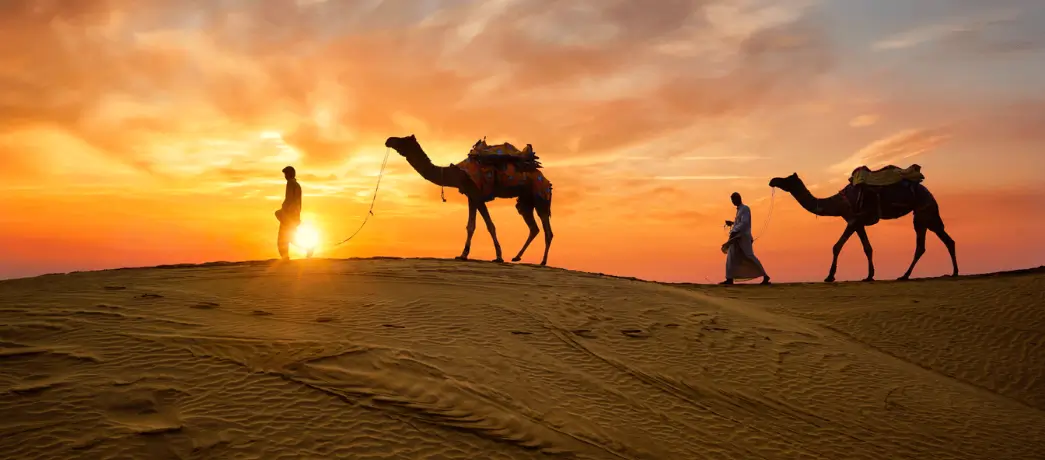
Few destinations in the world create the same sense of wonder as Rajasthan. The state is often the image travelers imagine when they think about India—magnificent forts rising above desert landscapes, royal palaces filled with centuries of history, colorful markets overflowing with handcrafted treasures, beautifully decorated camels crossing golden sand dunes, and vibrant cultural traditions that continue to thrive in modern times.
For first-time visitors to India, Rajasthan offers one of the most rewarding introductions to the country. The region combines history, architecture, culture, luxury hospitality, wildlife, spirituality, and authentic local experiences within a single destination. Unlike many international travel destinations where cities often feel similar, each major city in Rajasthan possesses a completely different personality, creating a journey that constantly feels fresh and exciting.
Many foreign travelers begin their Indian journey with a Rajasthan tour, a private Rajasthan itinerary, or a Golden Triangle and Rajasthan tour because the state offers an excellent balance of comfort, accessibility, sightseeing, and cultural immersion. Whether visitors spend one week exploring the region or devote several weeks to a deeper journey, Rajasthan consistently becomes one of the most memorable parts of their India experience.
Understanding how Rajasthan is structured, which cities deserve attention, where to stay, how transportation works, and what experiences should not be missed can transform a good trip into an unforgettable one.
Explore iconic cities, stunning architecture, colorful festivals, and rich traditions that make Rajasthan one of India's top travel destinations.
Rajasthan occupies a special position within India's tourism landscape. While other regions may be known for beaches, mountains, wildlife, or spirituality, Rajasthan combines nearly every aspect of Indian heritage into one destination.
The state was historically home to numerous royal kingdoms. As a result, travelers encounter an extraordinary concentration of forts, palaces, royal residences, temples, stepwells, gardens, and historic cities. Many former royal residences have been transformed into luxury heritage hotels, allowing visitors to experience history in a uniquely personal way.
The appeal of Rajasthan travel extends far beyond architecture. The state's traditions remain deeply woven into daily life. Visitors frequently encounter colorful turbans, traditional textiles, folk music performances, local festivals, artisan workshops, and centuries-old crafts still practiced by skilled craftsmen.
One reason first-time visitors appreciate Rajasthan is its accessibility. Tourism infrastructure is highly developed compared with many other regions. International travelers can easily move between major cities through private vehicles, trains, or domestic flights while enjoying high-quality accommodations throughout their journey.
The diversity of landscapes also surprises many visitors. Rajasthan is not simply a desert destination. Travelers encounter lakes, mountains, forests, wildlife reserves, rural villages, bustling cities, and historic trading centers. A journey through Rajasthan reveals a constantly changing environment rather than a single repetitive landscape.
Luxury travelers are especially drawn to the state because of its exceptional collection of palace hotels and heritage properties. Some of India's most famous luxury accommodations are located within Rajasthan, making it one of the world's premier destinations for heritage hospitality.
For first-time visitors seeking culture, history, photography, architecture, and memorable travel experiences, Rajasthan often exceeds expectations.
Most first-time travelers begin their Rajasthan journey in Jaipur, often referred to as the Pink City. As the capital of Rajasthan, Jaipur combines royal heritage with modern infrastructure, making it one of the easiest cities for international visitors to navigate.
Jaipur's appeal begins with its architectural landmarks. The Amber Fort, perched on a hill overlooking the surrounding landscape, remains one of India's most impressive fort complexes. The fort's courtyards, gateways, mirror work, and royal chambers provide insight into Rajasthan's royal history.
Within the city itself, visitors encounter iconic landmarks such as the City Palace, Hawa Mahal, Jantar Mantar, and numerous historic temples. The old city remains a vibrant commercial center where travelers can explore traditional markets specializing in jewelry, textiles, handicrafts, gemstones, and local crafts.
One aspect that makes Jaipur particularly attractive for first-time visitors is the balance between cultural immersion and travel comfort. Modern hotels, international restaurants, shopping districts, and transportation facilities coexist alongside historic neighborhoods and traditional marketplaces.
The city also serves as an ideal base for day excursions. Nearby attractions include rural villages, stepwells, wildlife experiences, and artisan communities that provide a deeper understanding of Rajasthan beyond its major monuments.
Luxury travelers often choose Jaipur because of its remarkable collection of heritage hotels. Many former royal residences now operate as boutique luxury properties, allowing guests to experience royal hospitality while enjoying modern comforts.
Because Jaipur combines accessibility, history, shopping, architecture, and cultural experiences, it frequently becomes a highlight of any Rajasthan private tour.
While Jaipur introduces travelers to Rajasthan's royal heritage, Udaipur showcases a different side of the state. Often called the City of Lakes, Udaipur is widely considered one of India's most beautiful destinations.
Unlike Rajasthan's desert cities, Udaipur is defined by water, hills, gardens, and elegant architecture. The city's crown jewel is the magnificent City Palace, which overlooks Lake Pichola and dominates the skyline. The palace complex contains museums, courtyards, terraces, and royal residences that provide insight into centuries of Mewar history.
Lake Pichola itself forms the visual heart of the city. Boat rides across the lake offer spectacular views of palaces, temples, ghats, and historic buildings reflecting across the water. Sunset cruises remain one of the most popular activities among international visitors.
The city's atmosphere differs significantly from Jaipur. Udaipur feels slower, more relaxed, and more romantic. Narrow streets wind through the old city, leading travelers past artisan workshops, rooftop restaurants, historic temples, and lakeside viewpoints.
Luxury hospitality reaches extraordinary levels in Udaipur. Several palace hotels located on islands or lakeside properties consistently rank among the world's finest accommodations. These hotels attract travelers seeking exceptional service, historic settings, and unforgettable scenery.
Photography enthusiasts often consider Udaipur one of Rajasthan's most photogenic destinations. The combination of lakes, whitewashed buildings, palace architecture, and surrounding hills creates countless visual opportunities throughout the day.
For travelers interested in architecture, romance, luxury, and scenic beauty, Udaipur frequently becomes the favorite stop on a Rajasthan itinerary.
Learn the best places to visit, travel tips, cultural insights, and must-see attractions to make the most of your Rajasthan journey.
No first-time Rajasthan journey feels complete without experiencing the state's desert heritage.
Jodhpur, known as the Blue City, offers one of Rajasthan's most dramatic urban landscapes. The city spreads outward from the massive Mehrangarh Fort, one of India's greatest fortresses. From the fort's walls, visitors enjoy sweeping views of the city's distinctive blue-painted houses.
Mehrangarh Fort itself deserves substantial attention. The fort contains museums, royal chambers, courtyards, and galleries that showcase Rajasthan's military history and royal traditions. Many visitors consider it the most impressive fort in the state.
The city's markets, palaces, and historic neighborhoods provide opportunities to experience local life while exploring architectural landmarks.
Further west lies Jaisalmer, often called the Golden City. Rising from the edge of the Thar Desert, Jaisalmer appears almost mythical during sunrise and sunset when its sandstone buildings glow with golden hues.
The living fort of Jaisalmer remains one of the city's defining attractions. Unlike many historic forts, people still live and work within its walls, creating a fascinating blend of history and daily life.
Desert excursions are among the region's most memorable experiences. Visitors can explore sand dunes, enjoy cultural performances, experience luxury desert camps, and witness spectacular sunsets across the Thar Desert.
These destinations provide an entirely different perspective on Rajasthan compared with Jaipur and Udaipur, highlighting the state's remarkable diversity.
While monuments attract travelers initially, many visitors ultimately remember Rajasthan's culture more vividly than its architecture.
The state's traditions remain highly visible in everyday life. Festivals, folk performances, traditional dress, local crafts, and community celebrations continue to play important roles throughout Rajasthan.
Music and dance performances often form part of the travel experience. Traditional instruments, folk songs, and regional dance styles provide insight into Rajasthan's cultural identity.
Food represents another major highlight. Rajasthan's cuisine reflects the state's climate and history. Visitors encounter dishes developed over centuries to suit desert conditions while maintaining rich flavors and distinctive culinary traditions.
Markets provide opportunities to observe local commerce while purchasing textiles, handcrafted items, jewelry, pottery, leather products, and artwork. Unlike modern shopping centers, traditional markets often serve as cultural experiences in their own right.
Rural village visits offer a deeper understanding of Rajasthan beyond major tourist cities. These experiences allow travelers to observe agricultural life, artisan communities, traditional homes, and local customs that have remained largely unchanged for generations.
Combining monuments with cultural experiences creates a more complete understanding of Rajasthan and helps visitors appreciate the region beyond its famous landmarks.
One of the reasons Rajasthan is particularly suitable for first-time visitors is the ease of transportation between major destinations.
Many travelers prefer a private car and driver in Rajasthan because it provides flexibility, comfort, and convenience. Distances between cities are manageable, and road conditions on major tourist routes are generally suitable for private touring.
Domestic flights connect several major cities, while train services provide additional transportation options. However, many visitors prefer road travel because it allows opportunities to stop at villages, monuments, and scenic locations along the way.
Accommodation choices range from budget hotels to some of the world's most luxurious palace properties. Heritage hotels are especially popular because they allow travelers to stay within historic buildings while enjoying modern amenities.
Travelers planning a first visit should allocate sufficient time to each destination. Rajasthan rewards slow travel. Rather than rushing between cities, visitors often enjoy a richer experience by spending additional time exploring each location.
Careful itinerary design helps balance sightseeing, relaxation, cultural experiences, and travel time, creating a more enjoyable journey overall.
Most first-time visitors benefit from spending at least one week exploring Rajasthan's major destinations.
Jaipur is often the best starting point due to its accessibility and extensive attractions.
Rajasthan is considered one of India's most popular and well-established tourism destinations for international travelers.
Many visitors prefer a private car and driver for flexibility and convenience.
Yes, Udaipur is widely regarded as one of India's most beautiful cities.
Mehrangarh Fort in Jodhpur and Amber Fort in Jaipur are frequently considered among the finest.
Options range from moderate heritage properties to ultra-luxury palace hotels.
Yes, Rajasthan is commonly combined with Delhi and Agra as part of extended itineraries.
Popular purchases include textiles, jewelry, handicrafts, pottery, artwork, and leather products.
Absolutely. Rajasthan offers some of India's finest palace hotels, heritage properties, and luxury travel experiences.