

06 Jun 2026
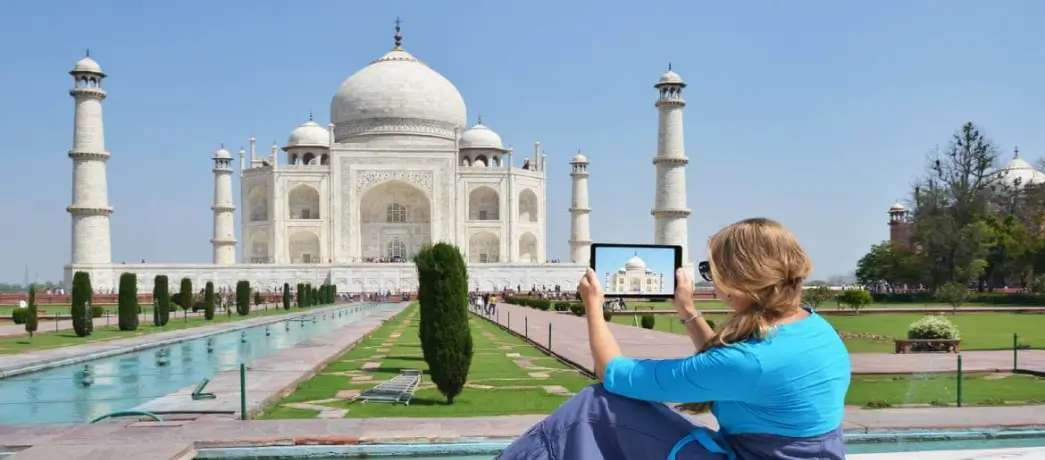
A private tour is one of the most rewarding ways to experience India. Unlike fixed group itineraries that follow rigid schedules and predetermined routes, a private India tour allows travelers to explore the country according to their own interests, pace, comfort level, and travel goals. Whether the journey focuses on Rajasthan's royal heritage, Kerala's backwaters, the spiritual atmosphere of Varanasi, wildlife reserves in central India, or luxury hotels across multiple regions, a private itinerary provides a level of flexibility that many international travelers consider invaluable.
The popularity of custom India tours, private driver tours in India, and tailor-made India holidays has increased significantly over recent years. Modern travelers increasingly prefer personalized experiences over standardized travel packages. They want the freedom to spend extra time at a favorite destination, choose hotels that match their travel style, and include experiences that reflect their specific interests.
However, a private tour requires thoughtful planning. While group tours are largely organized by operators, private travel places greater responsibility on itinerary design. The quality of the journey depends heavily on decisions made before departure. Route planning, transportation choices, accommodation selection, budgeting, seasonal considerations, and activity scheduling all play important roles.
The good news is that planning a private India tour becomes much easier when approached systematically. By following a structured checklist, international travelers can avoid common mistakes and create an itinerary that balances comfort, efficiency, cultural immersion, and memorable experiences.
A well-planned private tour allows you to explore India at your own pace while enjoying personalized service and exclusive experiences.
Before researching hotels, comparing flights, or discussing transportation options, travelers should first determine the primary purpose of the trip.
This may seem obvious, but many planning mistakes occur because visitors attempt to create itineraries before clearly identifying what they hope to experience.
India offers an extraordinary range of travel opportunities. Some visitors are fascinated by history and architecture. Others prioritize wildlife, photography, luxury hospitality, wellness, spirituality, cuisine, or cultural immersion.
A traveler interested in royal heritage may focus on Rajasthan, while someone seeking tropical landscapes may gravitate toward Kerala. Wildlife enthusiasts often prioritize national parks, while spiritual travelers may spend significant time in Varanasi, Rishikesh, or Buddhist destinations.
Without a clear objective, itineraries often become collections of famous locations rather than coherent travel experiences.
The most successful private India holidays are built around specific interests. Once those interests are identified, every subsequent planning decision becomes easier.
Travelers should ask themselves what they want to remember most from the trip. The answer often provides the foundation for the entire itinerary.
One of the most common planning mistakes is attempting to include too many regions within a single journey.
India is not a destination that can be fully experienced in one visit. The country's geographical scale and cultural diversity make regional focus far more effective than nationwide coverage.
Many first-time visitors immediately create itineraries that combine Rajasthan, Kerala, Varanasi, Mumbai, Goa, Ladakh, and wildlife reserves within two weeks. While technically possible, such schedules usually result in excessive travel and limited time for meaningful exploration.
A better approach is to select one or two regions and explore them thoroughly.
For example, a traveler interested in architecture, history, and luxury hospitality might focus on Delhi, Agra, Jaipur, Udaipur, and Jodhpur.
A wellness-oriented traveler could combine Kochi, Munnar, Kumarakom, and Alleppey.
A wildlife enthusiast may focus on central India's national parks combined with a few cultural destinations.
Private tours work best when travelers prioritize depth rather than destination count.
India rewards slow exploration because every region contains layers of history, culture, cuisine, and local traditions that cannot be appreciated during rushed visits.
Many travelers calculate itinerary length based on the number of days between arrival and departure. In reality, not all of those days are available for sightseeing.
International flights, airport transfers, domestic transportation, hotel check-ins, and travel logistics consume a significant amount of time.
A fourteen-day trip rarely provides fourteen full sightseeing days.
For example, arrival day is often affected by jet lag and airport formalities. Departure day usually includes transfers and flight preparations. Domestic travel days may consume half or even an entire day depending on distances and transportation methods.
Recognizing this reality helps create more realistic itineraries.
Rather than focusing solely on destination count, travelers should consider how much quality time remains after transportation requirements are factored into the schedule.
Many experienced travel planners recommend building itineraries around meaningful experiences rather than simply adding more locations.
The result is often a more enjoyable and less stressful journey.
Prepare every detail of your trip with confidence and enjoy a customized India tour tailored to your interests and travel style.
Transportation plays a crucial role in any private India tour itinerary.
International travelers generally choose between domestic flights, private road travel, train journeys, or combinations of these options.
Each method offers distinct advantages.
Domestic flights are useful for covering large distances efficiently. Travelers combining northern and southern India often rely on flights to maximize sightseeing time.
Private road travel is particularly popular in Rajasthan and the Golden Triangle region. A dedicated vehicle and driver provide flexibility, comfort, and opportunities to stop at attractions, villages, and scenic viewpoints along the route.
Many travelers underestimate the value of road journeys. Some of the most memorable experiences occur between major destinations rather than within them.
Private transportation also simplifies logistics significantly. Travelers avoid navigating transportation systems, managing luggage repeatedly, or adjusting to fixed schedules.
The best itineraries typically combine transportation methods according to regional requirements.
Choosing the right balance improves comfort while reducing travel fatigue.
Accommodation selection influences the character of a private tour more than many travelers realize.
The ideal hotel depends not only on budget but also on travel objectives.
Luxury travelers may prioritize palace hotels, heritage properties, boutique resorts, or internationally recognized luxury brands.
Photography enthusiasts often prefer accommodations with distinctive architecture and scenic settings.
Couples may value atmosphere, privacy, and unique experiences.
Retired travelers frequently prioritize comfort, accessibility, and service quality.
Travelers interested in culture sometimes choose heritage hotels because they provide deeper connections to local history.
The key is consistency. Hotels should complement the overall itinerary rather than feeling disconnected from the journey's purpose.
A thoughtfully selected collection of accommodations can significantly enhance the travel experience.
Many itineraries focus almost exclusively on locations.
Travelers list cities but fail to consider what they will actually do once they arrive.
Private tours offer the opportunity to build journeys around experiences rather than geography.
A Rajasthan itinerary might include palace visits, cooking demonstrations, artisan workshops, village interactions, cultural performances, and sunset boat rides.
A Kerala itinerary could feature backwater cruises, spice plantation visits, wellness treatments, and traditional culinary experiences.
Wildlife itineraries may include safaris, conservation discussions, photography sessions, and nature walks.
Experiences often become the most memorable parts of a trip because they create personal connections rather than passive sightseeing.
Private tours excel when they combine destinations with meaningful activities.
One of the greatest advantages of private travel is flexibility.
Unfortunately, many travelers unintentionally eliminate this advantage by creating schedules that are too rigid.
Every day becomes fully booked. Every hour is planned. Every activity is scheduled.
While organization is important, flexibility is equally valuable.
Unexpected discoveries often become trip highlights. Travelers may encounter a local festival, an interesting market, a scenic viewpoint, or a recommendation from a guide.
A private itinerary should include enough structure to remain efficient while leaving room for spontaneity.
Flexibility reduces stress and allows travelers to respond naturally to opportunities that arise during the journey.
Many first-time visitors focus heavily on airfare and accommodation while underestimating other expenses.
A complete India tour budget should include transportation, guides, monument fees, meals, shopping, gratuities, optional activities, travel insurance, and contingency funds.
Private transportation often represents a significant component of overall costs.
Luxury accommodations, specialized guides, wellness experiences, and unique activities should also be considered during planning.
Understanding the full financial picture helps prevent surprises and allows travelers to allocate resources more effectively.
A realistic budget contributes significantly to peace of mind throughout the trip.
Once the itinerary is finalized, practical preparation becomes the focus.
Travelers should verify passport validity, visa requirements, insurance coverage, flight confirmations, hotel reservations, and emergency contacts.
Digital copies of important documents should be stored securely.
Packing should reflect the destinations included in the itinerary rather than general assumptions about India.
Weather conditions vary dramatically across regions, making destination-specific preparation essential.
Good preparation minimizes potential complications and increases travel confidence.
India offers remarkable rewards to travelers who plan thoughtfully.
A carefully designed private tour combines comfort, flexibility, cultural immersion, and personal discovery in ways that standardized itineraries often cannot match.
The goal is not simply to visit famous places. It is to experience the country in a manner that reflects individual interests and travel aspirations.
When planning decisions align with personal goals, transportation is efficient, accommodations are well chosen, and itineraries remain realistic, India becomes one of the most fulfilling travel destinations in the world.
The time invested in planning often determines the quality of the memories created throughout the journey.
Private tours provide flexibility, customized routes, personalized pacing, and experiences tailored to individual preferences.
A private India tour is a customized itinerary designed specifically for individual travelers, couples, families, or small groups.
Most travelers enjoy a better experience when focusing on a manageable number of destinations rather than attempting nationwide coverage.
Yes. Many visitors find private vehicles and drivers significantly improve comfort and flexibility.
No. Route planning should generally come before accommodation selection.
They can be, but they also offer greater flexibility, personalization, and comfort.
Several months of planning usually provides the best availability and flexibility.
Yes. Wildlife, culture, luxury, spirituality, wellness, photography, and culinary experiences can all shape the itinerary.
Absolutely. India offers exceptional luxury hotels, heritage properties, and personalized travel services.
Comprehensive travel insurance is strongly recommended.