

08 Jul 2026
Planning a vacation in India is exciting, but one question almost every international traveler asks before booking a trip is whether to visit North India or South India. The answer is not as simple as choosing between two regions because each offers completely different landscapes, architecture, history, cuisine, traditions, languages, and travel experiences.
Many first-time visitors assume India offers a similar experience throughout the country. In reality, traveling from Delhi to Kerala feels almost like visiting two different nations. The climate changes dramatically, architectural styles become completely different, local cuisines evolve, festivals vary, and even the rhythm of daily life feels unique from one region to another.
This diversity is exactly what makes India one of the world's most rewarding travel destinations.
For travelers dreaming of magnificent forts, royal palaces, bustling markets, desert landscapes, colorful festivals, and iconic monuments such as the Taj Mahal, North India usually becomes the preferred choice.
For visitors seeking tropical beaches, peaceful backwaters, tea plantations, waterfalls, wildlife, hill stations, and wellness experiences, South India offers an entirely different but equally unforgettable journey.
Imagine beginning your holiday in Delhi before standing in front of the magnificent Taj Mahal at sunrise. A few days later, you are exploring Amber Fort in Jaipur, watching the sunset across Lake Pichola in Udaipur, spotting Bengal tigers in Ranthambore National Park, and wandering through the blue streets of Jodhpur. Every destination introduces another chapter of India's royal history.
Now imagine arriving in Kochi instead. Your journey continues through the rolling tea plantations of Munnar before cruising on a private houseboat through Alleppey's peaceful backwaters. Later, you relax on the beaches of Kovalam, explore spice plantations in Thekkady, and enjoy fresh seafood overlooking the Arabian Sea. The pace is slower, the scenery greener, and the atmosphere centered around nature rather than monumental architecture.
Neither region is better than the other.
The right choice depends on your interests, available travel time, budget, preferred climate, and the experiences you hope to enjoy.
This comprehensive comparison explains every important difference between North India and South India, including famous attractions, transportation, accommodation, weather, food, costs, culture, shopping, wildlife, and the type of traveler most suited to each region. By the end, you will have a clear understanding of which itinerary best matches your expectations for your first visit to India.
Whether you dream of Rajasthan's royal charm or South India's natural beauty, enjoy a private journey with handpicked stays, expert guidance, and unforgettable experiences.
For most international visitors, North India represents the classic image of India seen in documentaries, travel magazines, and postcards.
This region is home to many of the country's most famous historical attractions, including the Taj Mahal, Jaipur's magnificent forts, the royal palaces of Rajasthan, the sacred city of Varanasi, and the bustling streets of Old Delhi.
One of the biggest advantages of choosing a North India Tour Package is the extraordinary diversity of experiences available within a relatively well-connected travel circuit.
Popular destinations include:
The famous Golden Triangle Tour remains the most popular itinerary for first-time visitors because it connects Delhi, Agra, and Jaipur through excellent highways and allows travelers to experience India's most iconic monuments within a comfortable schedule.
Beyond the Golden Triangle, Rajasthan expands the journey with magnificent forts, desert landscapes, palace hotels, camel safaris, traditional villages, and colorful local markets.
Travelers interested in spirituality often continue to Varanasi or Rishikesh, while wildlife enthusiasts frequently include Ranthambore National Park to search for the majestic Bengal tiger.
Another advantage of North India is transportation.
Most itineraries can be comfortably completed using a private chauffeur-driven vehicle, allowing travelers to enjoy scenic road journeys between destinations while stopping at stepwells, historic villages, local cafés, and handicraft markets.
Accommodation ranges from comfortable boutique hotels to some of the world's finest palace properties.
Typical hotel costs for two adults:
| Hotel Category | Average Cost Per Night |
| Comfortable Hotels | USD 70–110 |
| Premium Hotels | USD 130–220 |
| Luxury Hotels | USD 250–500 |
| Heritage Palace Hotels | USD 450–1,000+ |
North India is also a paradise for shoppers.
Travelers can purchase:
Food lovers also appreciate the region's rich culinary heritage, with famous dishes ranging from Mughlai cuisine in Delhi to authentic Rajasthani specialties served in heritage restaurants throughout the state.
For travelers seeking royal history, magnificent architecture, UNESCO World Heritage Sites, vibrant cultural traditions, luxury palace hotels, wildlife, and unforgettable photography opportunities, North India delivers one of the richest travel experiences anywhere in Asia.
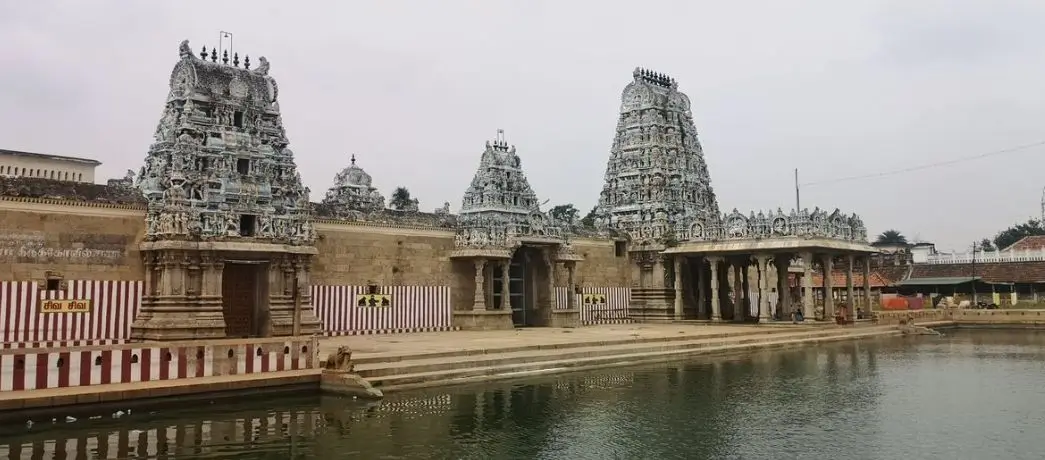
While North India is famous for royal forts, historic cities, and architectural landmarks, South India introduces travelers to a completely different side of the country. The landscapes become greener, the climate more tropical, the coastline stretches for thousands of kilometers, and daily life moves at a slower, more relaxed pace. Instead of spending every day exploring monuments, visitors enjoy peaceful backwaters, tea plantations, waterfalls, beaches, wildlife reserves, ancient temples, and wellness retreats.
For many international travelers, South India feels calmer and less crowded than the northern tourist circuit. The emphasis shifts from grand historical architecture to natural beauty, local traditions, and outdoor experiences. This makes the region especially appealing for couples, honeymoon travelers, families, and visitors looking for a relaxed holiday.
What Makes South India Unique?
A well-planned South India Tour Package combines several different landscapes within a single itinerary.
Popular destinations include:
Each destination offers a completely different experience.
Kochi combines colonial architecture, historic churches, waterfront promenades, and cultural performances.
Munnar is famous for rolling tea plantations, cool mountain weather, waterfalls, and panoramic viewpoints that attract photographers throughout the year.
Alleppey and Kumarakom introduce visitors to Kerala's world-famous backwaters, where luxury houseboats glide through peaceful canals surrounded by coconut trees and traditional villages.
Thekkady is known for Periyar National Park, offering wildlife safaris, spice plantation tours, bamboo rafting, and guided forest walks.
Travelers who enjoy beaches often continue to Kovalam or Varkala, where golden sand, seaside resorts, and spectacular sunsets create a relaxing coastal holiday.
Unlike North India, which is dominated by royal history, South India focuses on landscapes, nature, wellness, and cultural diversity.
Cost Comparison – North India vs South India
One of the most common questions travelers ask is whether North India or South India is more affordable.
In reality, both regions offer excellent value, but the spending pattern differs.
A North India Tour generally includes longer road journeys, heritage hotels, monument entrance tickets, and extensive sightseeing.
A South India Tour often includes luxury resorts, private houseboats, wellness experiences, and domestic flights between destinations if travelers wish to cover larger distances.
Below is a realistic comparison for two adults.
| Package Type | North India | South India |
| Comfortable | USD 1,800–2,700 | USD 1,700–2,600 |
| Premium | USD 2,800–4,200 | USD 2,700–4,000 |
| Luxury | USD 5,000–9,000+ | USD 5,000–8,500+ |
Overall costs remain fairly similar, although luxury houseboats and beachfront resorts can increase the total budget in South India.
From royal palaces and ancient monuments to tropical landscapes and peaceful retreats, we create a personalized India tour based on your interests, travel style, and expectations.
Food, Culture and Shopping
Food is one of the biggest differences between the two regions.
North India is known for:
South India offers:
International visitors often enjoy experiencing both cuisines because they are completely different in flavor, ingredients, and preparation.
Shopping also varies considerably.
North India specializes in:
South India is famous for:
Both regions provide authentic shopping experiences, although the products available reflect their local traditions.
Which Region Is Better for Families?
Families traveling with children often enjoy North India because of its variety of attractions.
Historic forts, wildlife safaris, colorful markets, museums, camel rides, palace hotels, and cultural performances create an itinerary where every day feels different.
South India is equally family-friendly but appeals more to travelers looking for relaxation, nature, beaches, and shorter sightseeing days.
Which Region Is Better for Couples?
The answer depends on the type of romantic holiday you imagine.
Choose North India if you dream about:
Choose South India if you prefer:
Both regions are outstanding honeymoon destinations, but they create completely different memories.
Transportation and Travel Style
Traveling across North India is generally easier by road.
Many popular destinations are connected through excellent highways, allowing travelers to enjoy a private chauffeur-driven tour covering Delhi, Agra, Jaipur, Udaipur, Jodhpur, and Ranthambore without relying heavily on domestic flights.
South India often requires a combination of road journeys and flights because destinations are spread across multiple states. Although road travel remains comfortable within Kerala or Karnataka, longer itineraries may benefit from domestic air travel.
Which Region Should First-Time Foreign Visitors Choose?
If your image of India includes the Taj Mahal, royal palaces, colorful bazaars, desert landscapes, sacred temples, and UNESCO World Heritage Sites, North India should be your first choice.
It offers:
If your ideal holiday focuses on beaches, mountains, backwaters, tea plantations, yoga, wellness, wildlife, and tropical scenery, South India provides an unforgettable experience.
Many experienced travelers eventually visit both regions because they complement one another perfectly.
For a first visit lasting one or two weeks, North India generally provides the strongest introduction to India's history, architecture, and cultural heritage.
Travelers returning for a second visit frequently choose South India to experience the country's natural beauty, coastal landscapes, and slower pace of life.
Most first-time international travelers choose North India because it includes the Taj Mahal, Rajasthan, Delhi, and the famous Golden Triangle Tour.
Yes. South India generally offers a slower pace, tropical landscapes, and wellness-focused experiences.
Both regions offer similar overall travel costs depending on accommodation and itinerary.
North India is ideal for palace hotels and royal experiences, while South India is perfect for beaches, backwaters, and wellness retreats.
Both are excellent. North India is famous for tiger reserves such as Ranthambore, while South India offers destinations like Periyar National Park and Nagarhole National Park.
North India offers a wider variety of handicrafts, textiles, gemstones, carpets, and traditional artwork.
Yes. A private chauffeur-driven vehicle is the most comfortable way to explore most North India itineraries and many South India routes.
Yes. Longer India Tour Packages often combine both regions for travelers with additional vacation time.
North India excels in historical architecture and cultural photography, while South India is renowned for landscapes, beaches, tea gardens, and wildlife.
If this is your first visit and you want to experience India's most iconic monuments, royal heritage, and historic cities, North India is the better starting point. If your priority is tropical scenery, beaches, backwaters, and relaxation, South India offers an equally rewarding but very different travel experience.