

27 Nov 2025
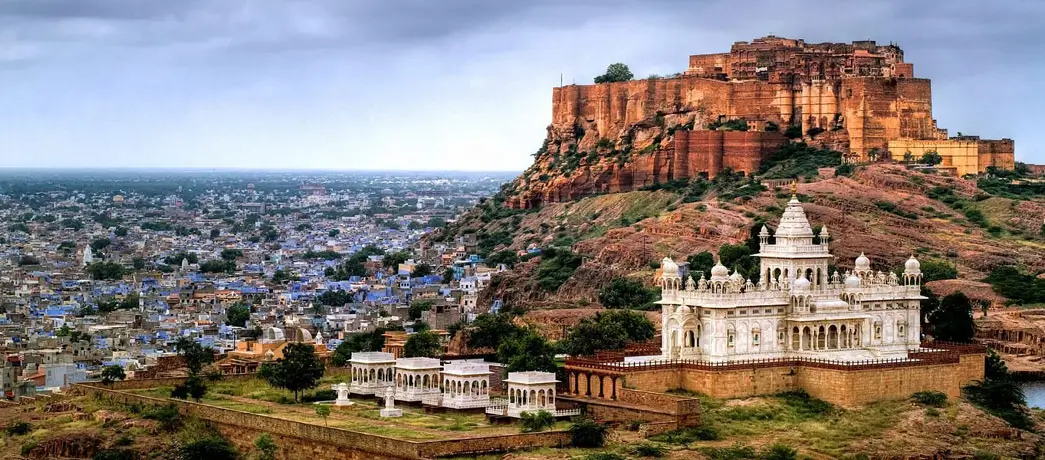
A Living Canvas of Heritage and Desert Royalty
Jodhpur holds a regal identity shaped by centuries of Rajput valor, architectural magnificence, handcrafted art forms, marble palaces, and desert charm. Marked by its iconic blue-washed houses, grand Mehrangarh Fort towering above the skyline, bustling traditional bazaars, timeless temples, and exquisite heritage hotels, Jodhpur brings together grandeur and warmth in an unforgettable balance.
Visitors arriving here witness a fusion of medieval architecture, Marwar history, desert sunlight, handcrafted textiles, mirror-work art, carved sandstone mansions, and vibrant Rajasthani culture. Jodhpur’s charm emerges from lanes painted in gentle indigo tones, rooftop terraces overlooking golden sunsets, and royal structures that whisper stories of ancient pride.
This premium guide highlights the essence of Jodhpur in an elegant, detailed format—ideal for international travelers seeking a deep understanding of Rajasthan’s famed Blue City.
Jodhpur’s blue houses form one of the most recognizable urban landscapes in India. These gentle shades of indigo were initially used by Brahmin families, but over time, the entire neighborhood adopted the color. The blue tones reflect sunlight, keeping interiors cool, and create a soothing aesthetic that blends beautifully with the desert environment.
Walking through the blue quarters offers a sensory blend of narrow alleys, colorful turbans, terracotta pots, carved doorframes, and rooftop views dominated by the mighty Mehrangarh Fort. Every corner offers a photogenic frame enriched by history, culture, and daily life in Marwar. Blue houses represent more than color—they reflect tradition, climate logic, architectural harmony, and the spirit of Jodhpur’s heritage.
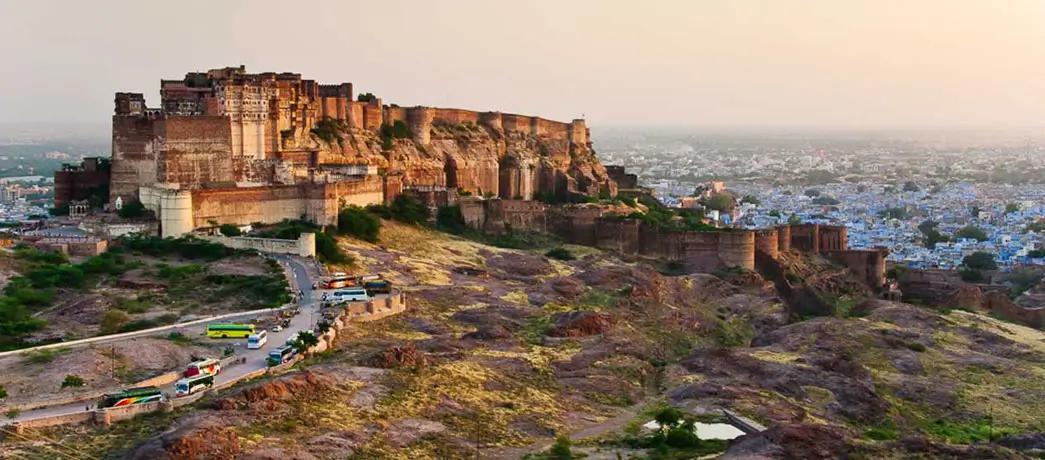
Mehrangarh Fort stands majestically above the city, rising from a rugged hill with immense authority. It is one of the largest and most spectacular forts in India, built to represent the might of the Rathore dynasty.
The fort’s grandeur becomes evident upon entering the towering gateways that lead to palaces decorated with delicate carvings, mirror chambers, courtyards, latticed windows, and elaborately painted walls. Inside lies the royal museum showcasing palanquins, armory, cradles, howdahs, manuscripts, and costumes reflecting the royal life of Marwar rulers.
The fort’s balconies reveal panoramic views of Jodhpur’s blue clusters spreading across the old city. These breathtaking sights merge heritage and landscape in a perfect frame.
Evenings bring a warm golden glow to the sandstone, making Mehrangarh an architectural wonder admired by historians, photographers, and cultural travelers.
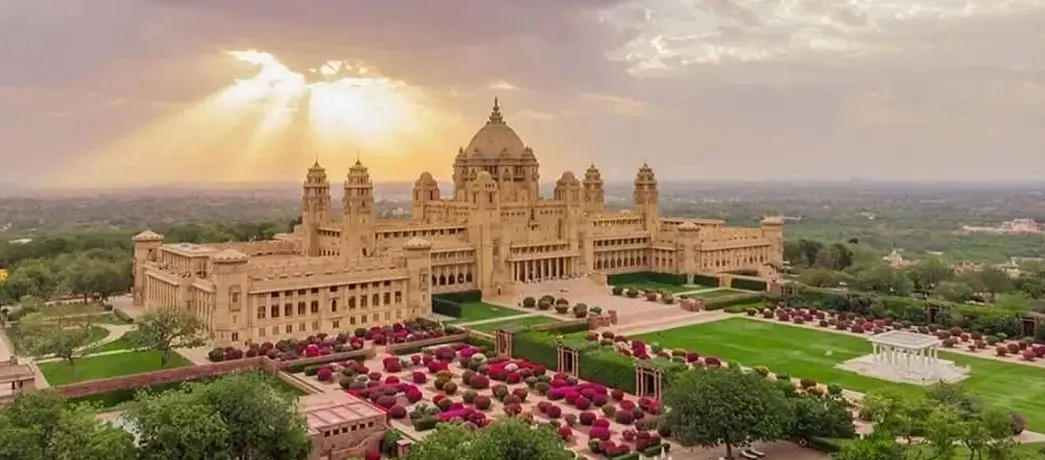
Umaid Bhawan Palace stands as one of the last great palaces built in India and remains partially inhabited by the Jodhpur royal family. Its blend of Art Deco, Classical Revival, and Indian architectural elements creates grandeur rarely seen elsewhere.
Constructed from golden sandstone and marble, the palace features sweeping courtyards, royal banquet halls, vintage car collections, central domes, manicured gardens, and luxurious interiors. A section of the palace now houses a world-renowned heritage hotel, while another part serves as an exquisite museum.
Visitors admire royal portraits, fine artifacts, old clocks, hunting trophies, and intricately designed furniture which reveal the lifestyle of Marwar’s rulers. The palace’s vast scale and artistic elegance symbolize prosperity and ambition during a transformative period in Jodhpur’s history.
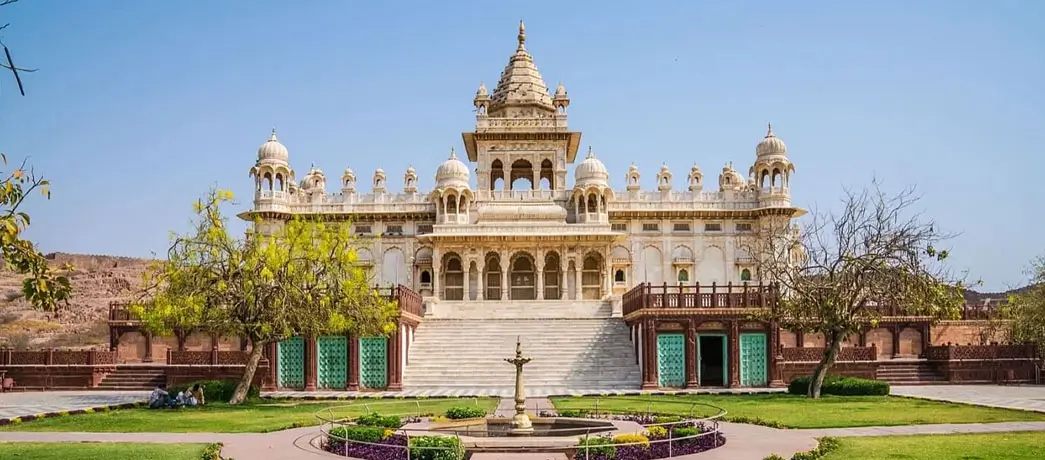
Jaswant Thada, built in memory of Maharaja Jaswant Singh II, is a peaceful white marble cenotaph surrounded by lush gardens and reflective ponds. The monument’s delicate carvings, sunlit marble panels, and serene atmosphere make it one of Jodhpur’s most poetic heritage sites.
The marble surfaces glow beautifully under sunlight, creating a soft radiance that adds spiritual calm to the environment. The cenotaph features portraits of Jodhpur rulers and corridors narrating stories of valor and leadership.
Located near Mehrangarh Fort, Jaswant Thada offers scenic viewpoints, making it a perfect blend of history, artistry, and landscape beauty.
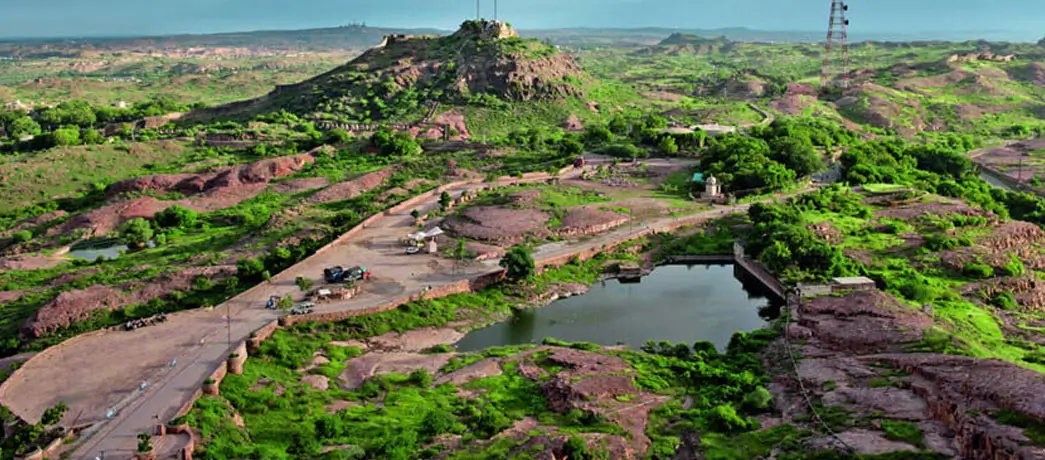
Beside Mehrangarh lies the Rao Jodha Desert Rock Park, created to revive the natural ecology around the fort’s rocky terrain. Spread over acres of desert land, the park showcases native plants of the Thar region.
Visitors enjoy peaceful walking trails, sunset viewpoints, and ecological insights into desert flora. The park reflects Jodhpur’s commitment to preserving natural beauty while enhancing the heritage surroundings of Mehrangarh Fort.
The landscape contrasts beautifully with the blue city and fort walls, creating visually captivating scenery.
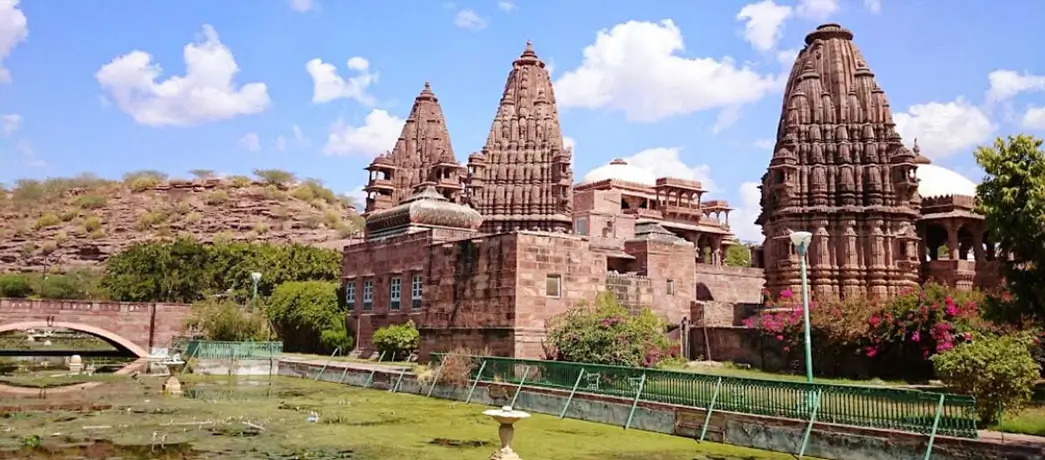
Mandore Gardens represent a significant chapter of Marwar’s early history, long before Jodhpur became the royal capital. The beautifully carved cenotaphs and temple-like structures dedicated to Marwar kings reflect architectural brilliance mixed with mythological themes.
The complex includes historic shrines, royal memorials, gardens, and museum exhibits containing sculptures, inscriptions, and artifacts. Mandore’s monumental charm, combined with rustic stonework and leafy surroundings, offers a gentle retreat from the city’s energetic pace.
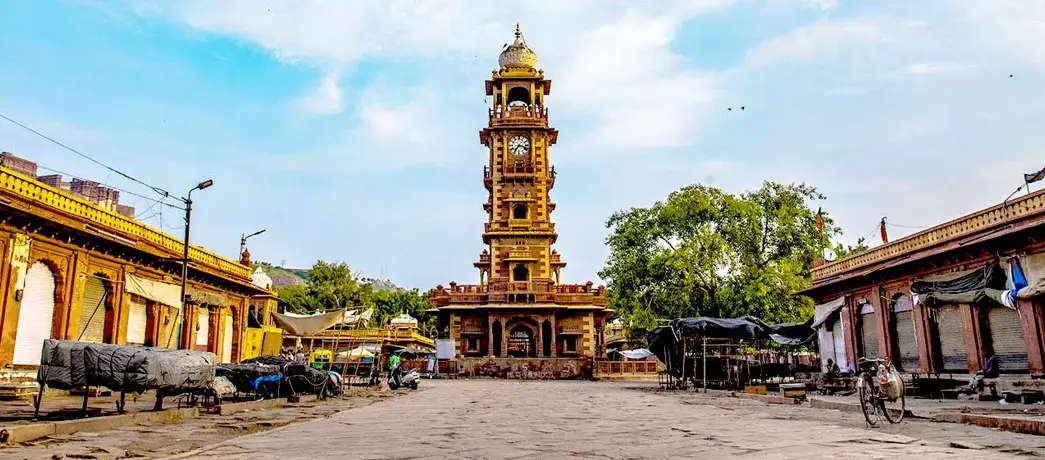
At the center of old Jodhpur stands the Ghanta Ghar (Clock Tower), overlooking the bustling Sardar Market. The market represents the vibrant soul of Jodhpur’s local life.
Visitors find handcrafted textiles, Rajasthani footwear, antique silver, brassware, spices, handicrafts, tie-dye fabrics, mirror-work dupattas, and leather goods.
The fragrance of saffron, crisp snacks, and traditional sweets enhances the market’s sensory appeal.
Walking through the bazaar presents a lively cultural experience with colorful stalls, artisans, merchants, and shoppers reflecting Rajasthan’s warmth and hospitality.
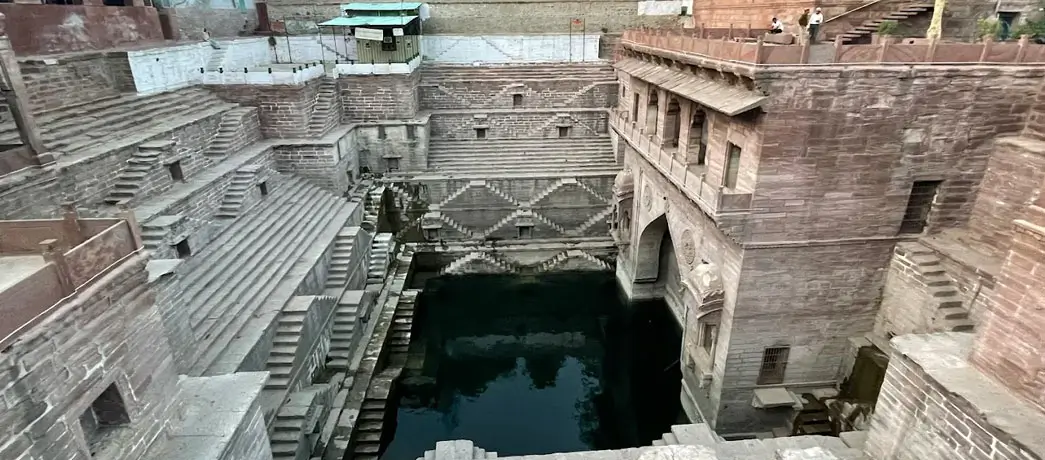
Toorji Ka Jhalra, a restored stepwell from the 18th century, showcases stunning sandstone craftsmanship and geometric symmetry. The stepwell served as a vital water source during earlier centuries and now attracts travelers seeking heritage ambiance combined with visual elegance.
The warm golden stone, cool water reflections, and quiet surroundings create a beautiful frame ideal for photography and cultural appreciation.
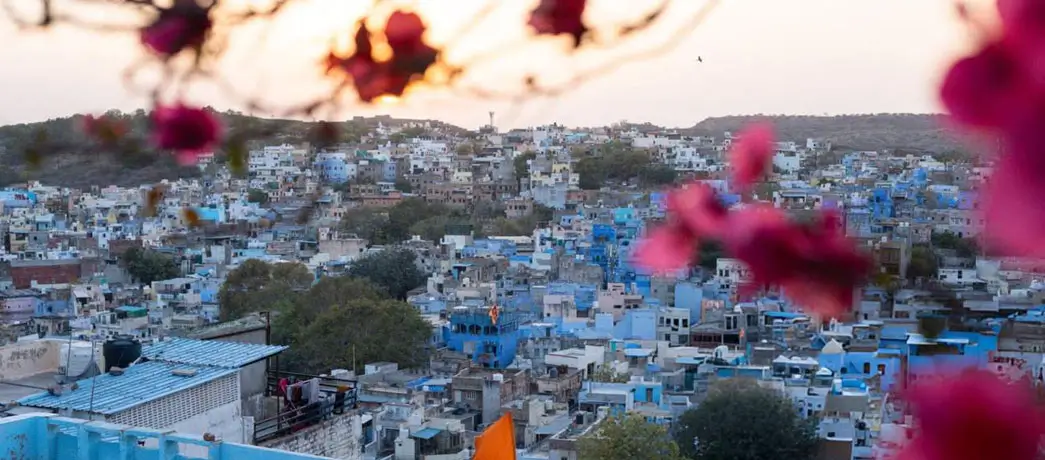
The blue quarters of Jodhpur offer intimate views of community life and architectural tradition. Narrow lanes reveal blue-painted homes with carved doorframes, small temples, rooftop views, and traditional households.
The environment is calm, artistic, and full of personality—perfect for photographers and culturally curious travelers.
The blue color creates harmony with the desert sunlight, making the old city glow in pastel tones throughout the day.
Jodhpur is celebrated for its strong tradition of handicrafts, folk music, textiles, and culinary heritage. Travelers encounter:
Folk musicians often perform with traditional instruments like the ravanhatta, adding rhythmic charm to cultural evenings.
The most pleasant season is October to March, when the climate remains cool enough for heritage walks.
Early mornings and late afternoons offer:
Summer afternoons are warm, making shaded areas and evening visits preferable.
The blue color keeps interiors cooler and represents old community traditions.
Elevators are available in some sections, making visits convenient.
Only the museum section is open; the royal residence and hotel areas are restricted.
Morning hours offer soft indigo tones; evenings give warm highlights.
Yes, several heritage walks cover hidden lanes and rooftops.
The city is generally safe, with friendly local communities.
It is within walking distance in the old city.
Crowds remain low in mornings; evenings bring more visitors.
Many cafés near the fort offer spectacular views and traditional meals.
Bandhani textiles, leather products, brass artifacts, and handmade durries.