

14 Nov 2025
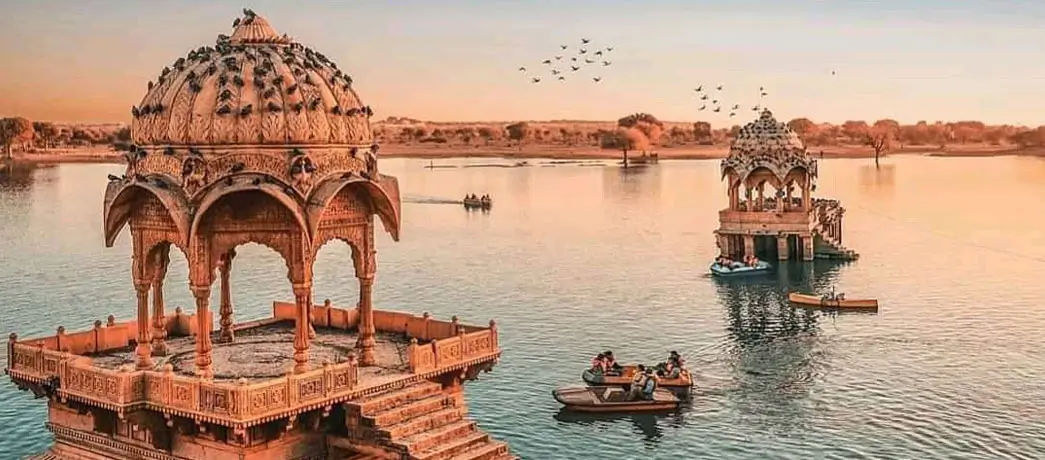
The Golden Heritage of Jaisalmer
Jaisalmer, known as the Golden City, owes its name to the glowing yellow sandstone that illuminates every corner of this desert jewel. From ancient palaces to elegantly carved havelis, from narrow historic streets to sweeping desert landscapes, the city transports travelers into a timeless world where every stone narrates a story. The region reflects a unique combination of Rajput courage, merchant prosperity, and desert artistry, making Jaisalmer one of the most distinctive heritage destinations in India.
This guide delivers a complete, detail-rich overview of the city’s top monuments with updated timings, current entry fees, photography rules, best visiting hours, and important traveler insights—allowing visitors to craft a flawless Jaisalmer itinerary.
Jaisalmer’s architectural identity stands apart in Rajasthan. Homes, havelis, palaces, and ramparts are carved from golden sandstone, giving the city a sunlit hue throughout the day. The intricate latticework, carved pillars, arched doorways, and decorated balconies embody the finest expressions of medieval Rajput craftsmanship.
Walking through Jaisalmer feels like stepping into a grand museum without boundaries—ancient havelis, desert fortresses, ornate temples, and traditional mansions blend seamlessly with lively bazaars and rustic desert trails.
Overview
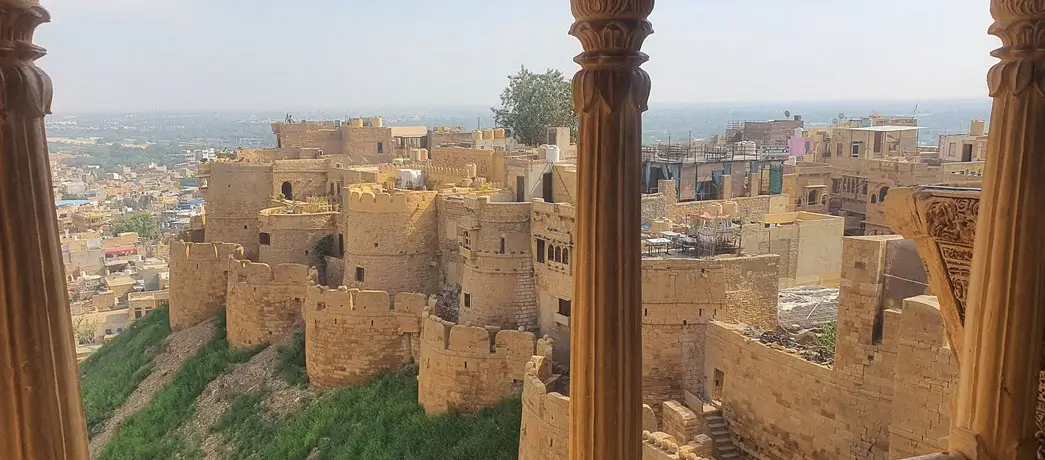
Jaisalmer Fort, also known as Sonar Quila, is one of the world’s rare “living forts,” where thousands of residents still inhabit its ancient lanes. Recognized as a UNESCO World Heritage Site, the fort is the city’s central identity—featuring massive sandstone walls, royal courtyards, delicately carved Jain temples, historic balconies, and panoramic viewpoints overlooking the golden desert.
Inside the fort, travelers encounter royal palace chambers, museums, old merchant houses, and temples showcasing centuries-old craftsmanship. Jaisalmer Fort is not just a monument—it’s an active heritage ecosystem.
Timings
Entry Fees
Travel Tip
Early mornings offer the most beautiful natural light. The sandstone walls transform into a glowing golden tone, creating stunning photography opportunities.
Overview
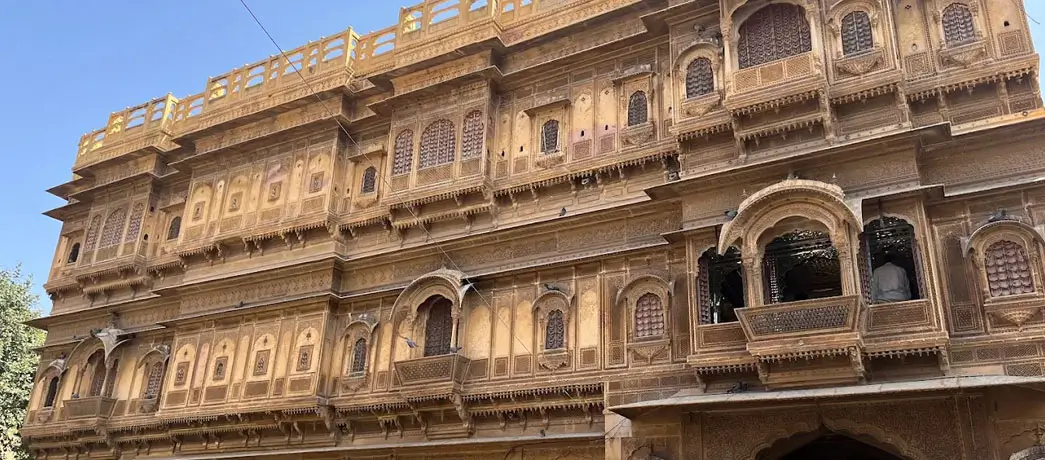
Patwon Ki Haveli is the crown jewel among Jaisalmer’s havelis. This grand complex is actually a cluster of five interconnected mansions, commissioned by a wealthy 19th-century Jain merchant. The haveli exhibits some of the finest examples of intricately carved pillars, ornamental balconies, fresco-painted chambers, and beautiful jharokhas.
Every wall and window demonstrates the astonishing skill of Jaisalmer’s artisans, making it a must-visit for architecture lovers.
Timings
Entry Fees
Travel Tip
Mid-morning sunlight highlights the carvings perfectly. This is the ideal time for capturing the haveli’s fine details.
Overview
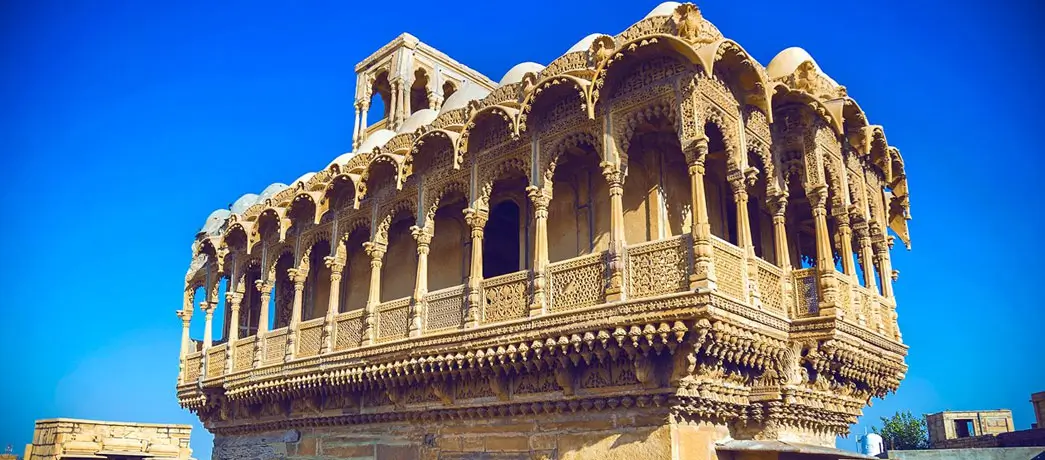
Salim Singh Ki Haveli stands out for its striking architectural personality. The haveli’s peacock-shaped arched rooftop, narrow entranceway, and dramatically projecting balconies make it one of the most distinct architectural works in Jaisalmer. Built for a prime minister of Jaisalmer, the haveli’s elegance still remains intact.
Timings
Entry Fees
Travel Tip
Evening golden hour makes the façade glow. Photographers will find stunning light at this time.
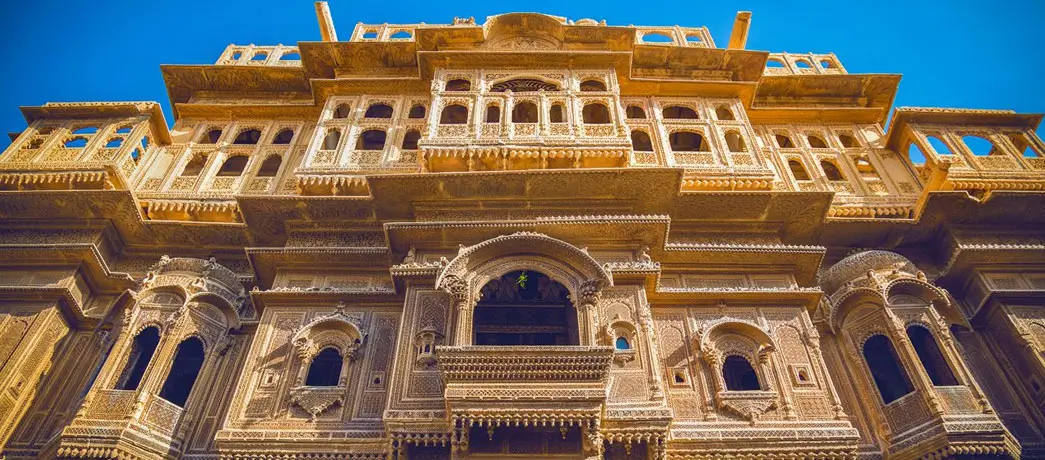
Overview
Nathmal Ki Haveli was constructed by two architect brothers who worked independently on different sides of the structure. Though the left and right wings appear similar, they feature subtle variations that highlight the artisans’ creativity. Its façade is one of the finest in Jaisalmer, with floral carvings, elephants, and intricate detailing.
Timings
Entry Fees
Travel Tip
The outer façade is perfect for street photography, especially during morning hours when the sun lights up its carvings.
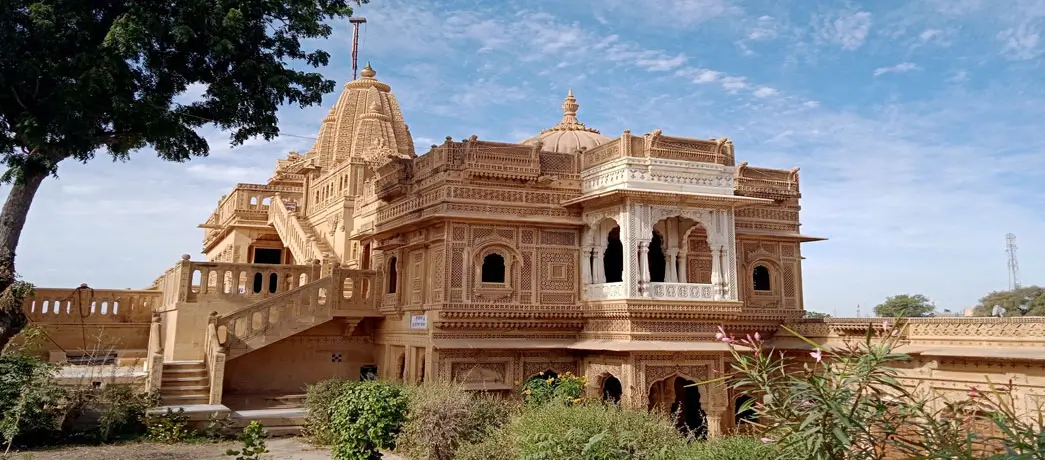
Overview
The Jain Temples inside Jaisalmer Fort are among the most artistically advanced temple structures in India. Built between the 12th and 16th centuries, these temples are celebrated for their fine carved marble details, intricate sandstone work, and architecture reminiscent of the Dilwara Temples.
Timings
Entry Fees
Travel Tip
Modest clothing is required. Photography is restricted in specific sections, so follow temple guidelines respectfully.
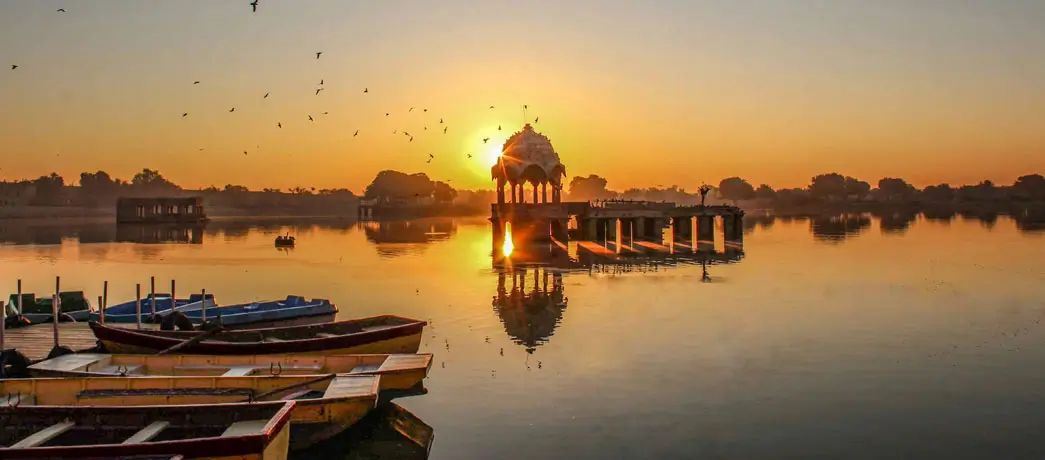
Overview
Gadisar Lake once served as Jaisalmer’s primary water source. Today, its surrounding shrines, decorated chhatris, arched gateways, and peaceful ambience make it one of the city’s most picturesque locations.
Timings
Entry Fees
Travel Tip
Sunrise and sunset hours illuminate the water surface beautifully, offering magical reflections for photographers.
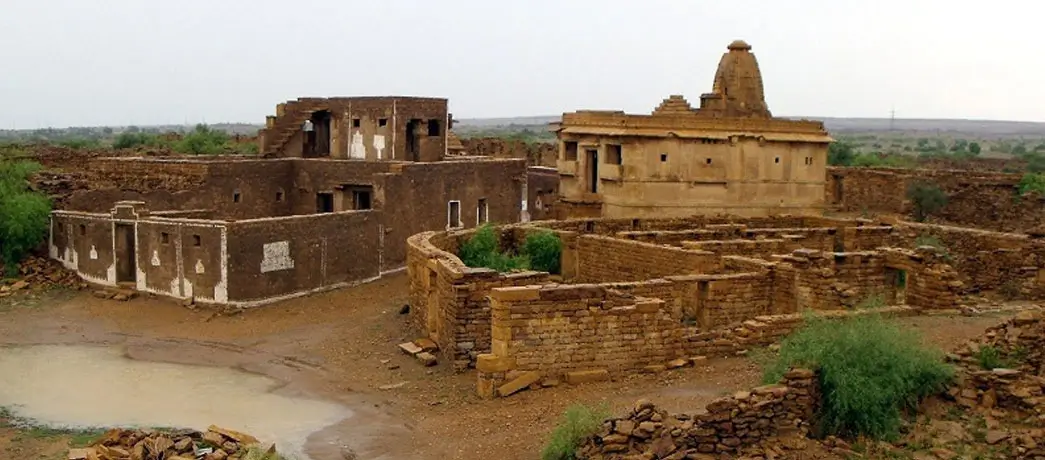
Overview
Kuldhara Village is one of the region’s most fascinating archaeological sites. Once a prosperous settlement, it was mysteriously abandoned overnight centuries ago. The village now stands silent with broken houses, untouched courtyards, and a haunting yet mesmerizing charm.
Timings
Entry Fees
Travel Tip
Late afternoon provides the best lighting. The ruins become dramatically golden during this time.
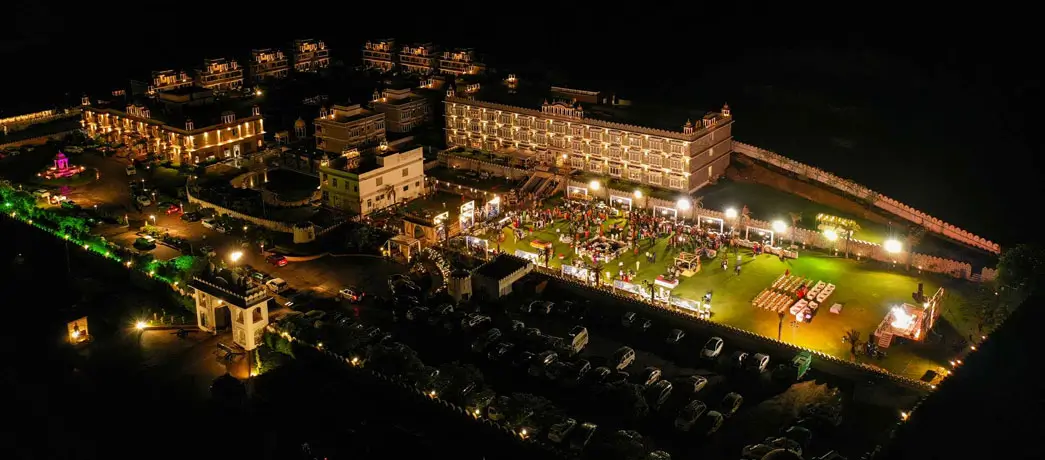
Overview
Jaisalmer is full of hidden architectural treasures beyond the main attractions:
Each of these offers unique sandstone carvings, quiet corners, and excellent photography moments.
General Entry Fees
Some sites are free, while others may charge between ₹20–₹100.
Sightseeing in Jaisalmer is best enjoyed from October to March, when the weather is pleasant and days are comfortable.
Ideal timings include:
Summer afternoons can be extremely hot, so visiting early or late in the day is recommended.