

10 Nov 2025
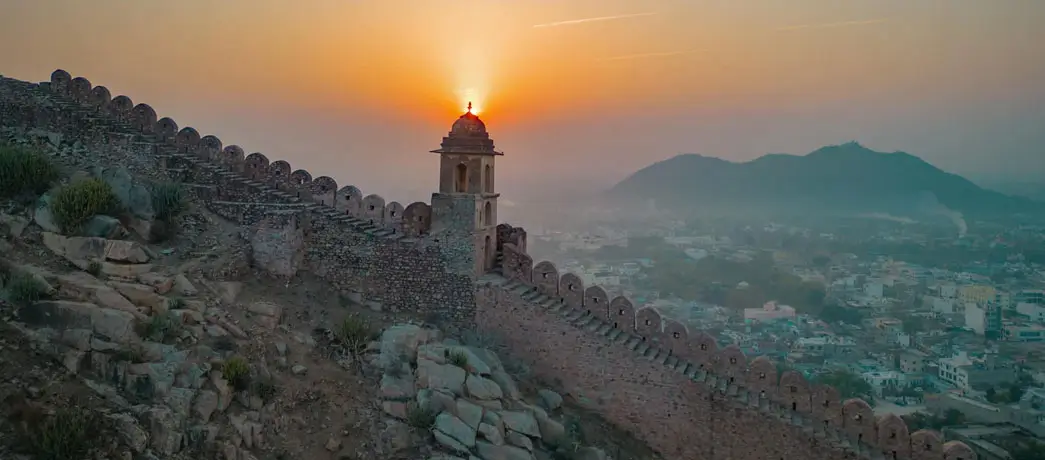
The Royal Fabric of Jaipur
Jaipur, the capital of Rajasthan, stands as one of India’s most admired destinations—known for its heritage monuments, ancient forts, royal palaces, and vibrant living culture. The city’s architecture is an artistic blend of pink sandstone structures, intricate jharokhas, grand gateways, mirror-work halls, and fine craftsmanship that dates back centuries. This blend gives Jaipur an eternal charm and an identity that stands proudly on the global tourism map.
The purpose of this guide is to provide updated timings, latest entry fees, photography rules, ideal visiting hours, and insider travel tips for Jaipur’s most significant monuments. This premium and detailed blog is created for both domestic and international travelers looking to plan their sightseeing in the most efficient, valuable, and enriching way.
Architectural Legacy of Jaipur
Jaipur’s architectural identity is a fusion of Mughal finesse, Rajputana strength, and selective European influence. Every monument narrates a chapter from history—some reflect royal life, others depict astronomical brilliance, while many highlight defensive genius.
The royal courtyards of Amber Fort, the museum treasures of City Palace, the honeycomb façade of Hawa Mahal, the cannons of Jaigarh, the sunset charm of Nahargarh, and the Indo-Saracenic elegance of Albert Hall Museum together create a living open-air museum that cannot be replicated anywhere else.
Another remarkable aspect is the city’s consistent preservation efforts—making Jaipur’s monuments safe, clean, visitor-friendly, and absolutely worth every moment spent inside them.
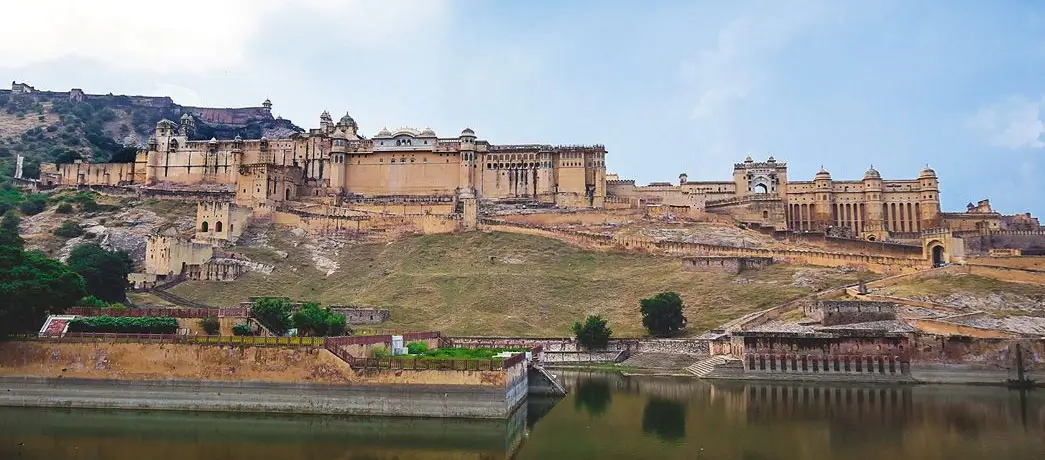
Amber Fort Overview
Amber Fort is Jaipur’s most celebrated monument—a dramatic hilltop palace overlooking Maota Lake. The fort is an exquisite blend of red sandstone and white marble, featuring ornate halls, mirrored chambers, royal pathways, and traditional Rajput-Mughal design aesthetics.
Sheesh Mahal, Ganesh Pol, Diwan-e-Aam, and Diwan-e-Khas are among the most striking areas inside the fort, reflecting the finest level of craftsmanship and engineering Jaipur is known for.
Amber Fort Timings
Amber Fort Entry Fees
Amber Fort Travel Tip
Early morning is the ideal time to visit. Soft sunlight gives the fort’s sandstone façade a golden glow, resulting in naturally cinematic photographs and a far more peaceful walk through its courtyards.
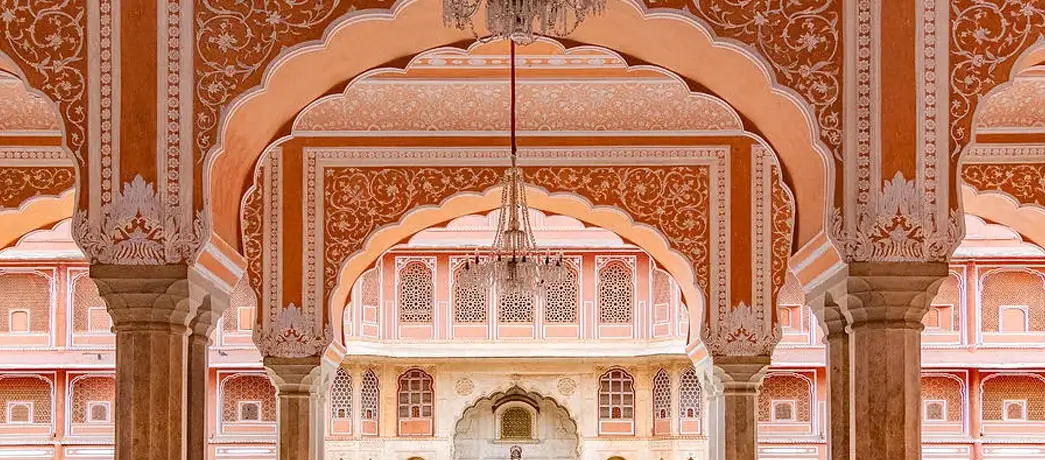
City Palace Overview
The City Palace represents the cultural heart of Jaipur. The palace complex houses grand museums, armoury galleries, textile archives, royal manuscripts, and historic courtyards. A private section known as the Royal Residence is still home to the Jaipur royal family, accessible through a premium ticket.
City Palace Timings
City Palace Entry Fees
City Palace Travel Tip
A night visit is highly recommended. Elegant lighting, peaceful courtyards, and a beautifully illuminated façade create a refined and visually stunning setting for travelers.
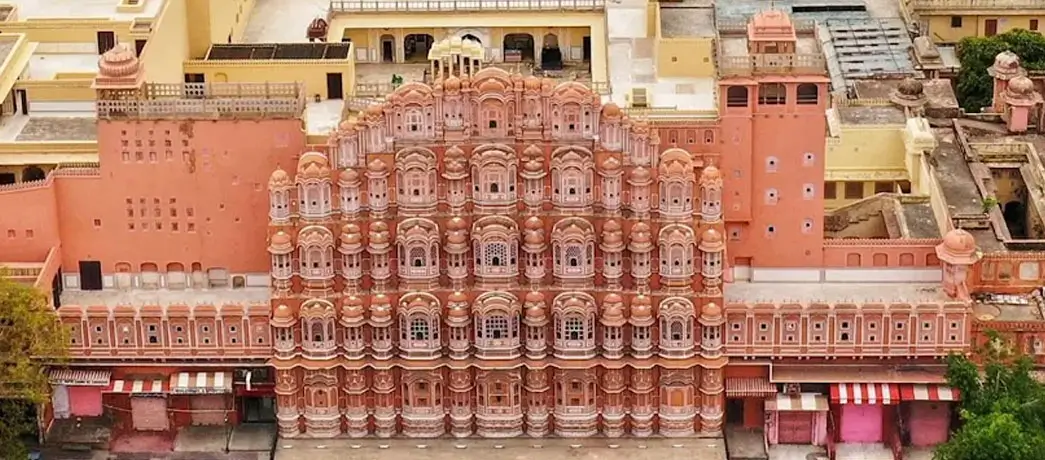
Hawa Mahal Overview
Hawa Mahal stands as Jaipur’s most photographed monument. The honeycomb-like façade consists of 953 tiny windows, built so that royal women could observe street life discreetly. The design also channels natural ventilation, giving the structure its popular name—Wind Palace.
Hawa Mahal Timings
Hawa Mahal Entry Fees
Hawa Mahal Travel Tip
The most beautiful and perfectly symmetrical photographs of Hawa Mahal are captured from the rooftop cafés directly opposite the palace.
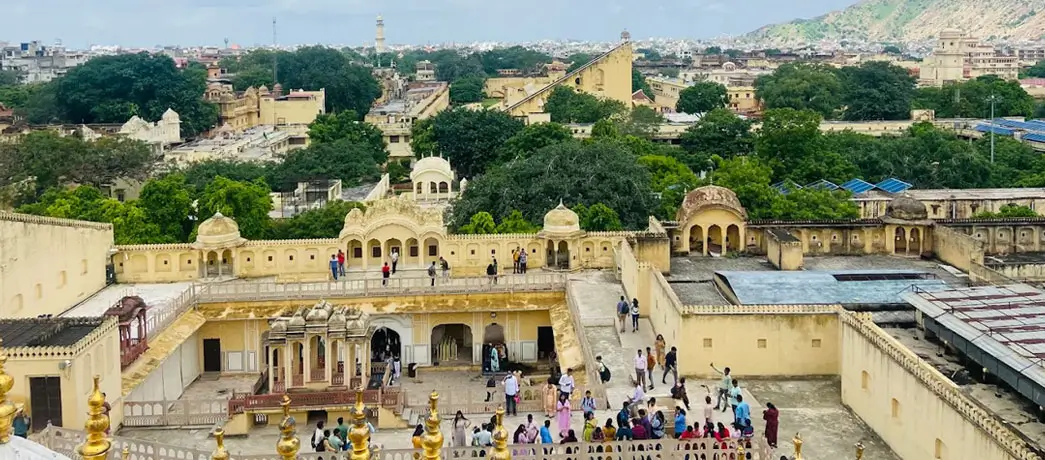
Jantar Mantar Overview
Jantar Mantar is one of the world’s best-preserved astronomical observatories. Built using large stone instruments capable of measuring planetary positions, time, and celestial motion, it is a blend of mathematical precision and architectural mastery.
Jantar Mantar Timings
Jantar Mantar Entry Fees
Jantar Mantar Travel Tip
An audio guide or certified local guide enhances the experience significantly by simplifying the complex functioning of each astronomical instrument.
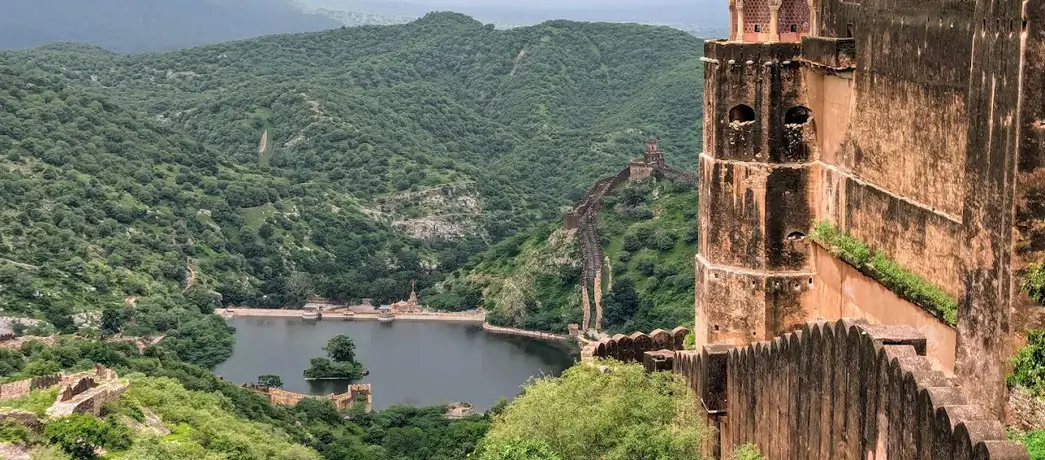
Jaigarh Fort Overview
Jaigarh Fort is Jaipur’s military stronghold, built high above Amber Fort. It offers panoramic views of the Aravalli ranges and houses the massive Jaivana Cannon, considered the world’s largest wheeled cannon of its era.
Jaigarh Fort Timings
Jaigarh Fort Entry Fees
Indian Adults: ₹50
Foreign Tourists: ₹200
Camera Charges: Applicable for professional equipment
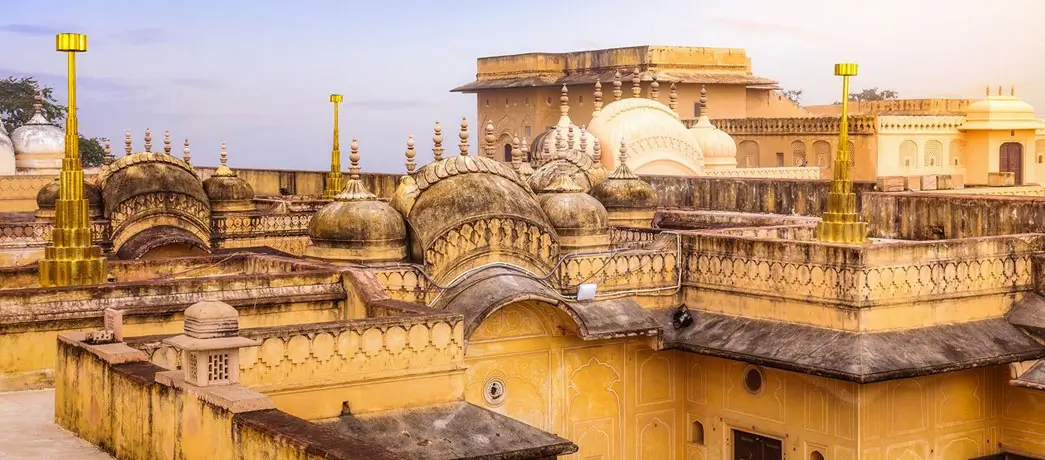
Nahargarh Fort Overview
Nahargarh Fort offers Jaipur’s most enchanting sunset view. The Madhavendra Bhawan section, with its symmetrical rooms and courtyards, is extremely photogenic.
Nahargarh Fort Timings
Entry Fees
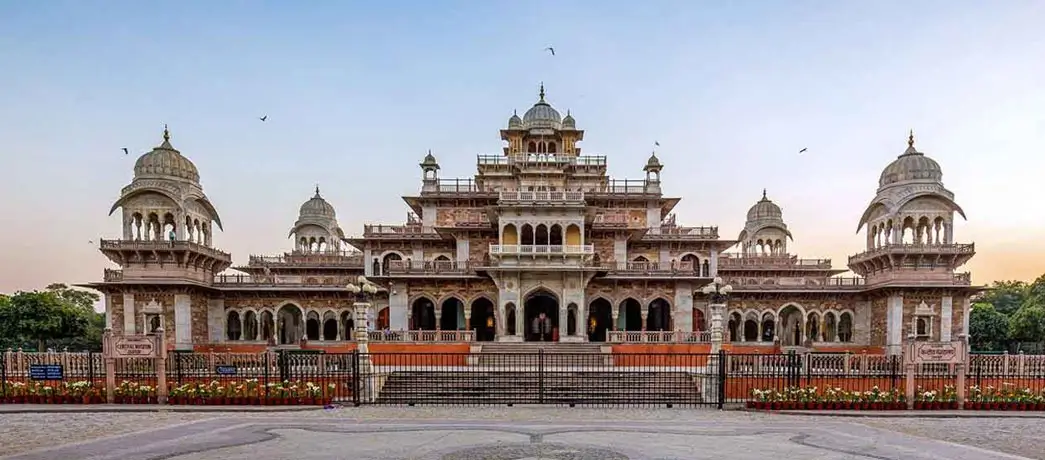
Albert Hall Overview
Albert Hall Museum is an Indo-Saracenic architectural marvel showcasing centuries-old artefacts, pottery, weapons, paintings, metalwork, and even an Egyptian mummy.
Albert Hall Timings
Entry Fees
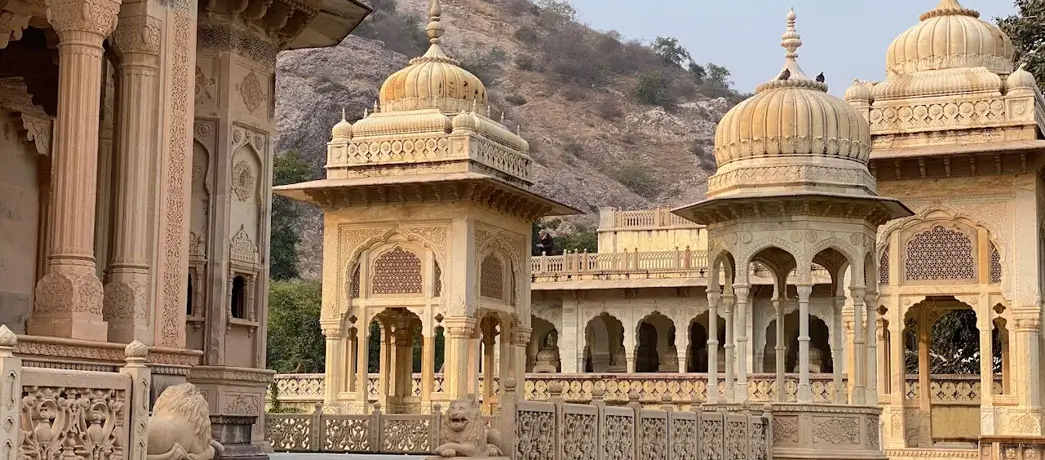
Overview
Gatore Ki Chhatriyan is one of Jaipur’s most visually striking yet underrated sites. The white marble cenotaphs and hand-carved domes make it a favourite for architectural photographers.
Timings
Entry Fees
The most pleasant period for Jaipur sightseeing is October to March.
Early mornings offer:
Summer afternoons are extremely warm and best avoided.
Amber Fort, Hawa Mahal, Albert Hall Museum, and Jantar Mantar are generally included.
Yes, but only during early morning slots and under regulated supervision.
Yes, but certain monuments may charge extra for video recording.
Yes, all night visits require a separate ticket.
From the rooftop cafés opposite the monument.
Yes, it is the original cannon and a major attraction.
Definitely — the astronomical instruments are easier to understand with a guided explanation.
Most major monuments offer online ticket booking.
Yes, but it is best to prebook your return cab.
Some palace areas are accessible, but forts may have uneven surfaces.