

05 Mar 2026
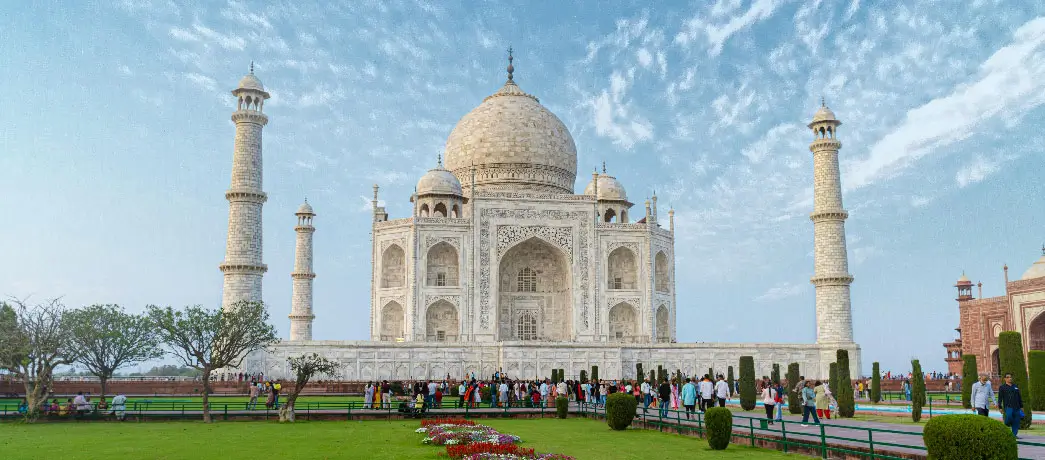
India is one of the most visually powerful countries in the world. From marble mausoleums glowing at sunrise to desert forts rising dramatically above blue-painted cities, from Himalayan landscapes to tropical backwaters, the country offers unmatched diversity for photographers. Whether you are a professional photographer, an advanced hobbyist, or a passionate traveler carrying a mirrorless camera, designing a well-structured India photography tour route can transform your journey into a portfolio-defining experience.
However, photographing India requires more than simply arriving at iconic locations. Light timing, crowd management, seasonal conditions, travel flow, and access coordination all influence the outcome. A carefully planned India private photography tour ensures that you are at the right place at the right time without unnecessary fatigue or logistical stress. India Tours Packages specializes in designing curated routes that balance landscapes, architecture, culture, and comfort while allowing photographers the flexibility they need.
This detailed guide explores the most compelling India photography travel routes, covering architecture, heritage cities, wildlife environments, and scenic landscapes that deliver visually dramatic results.
The Delhi–Agra–Jaipur circuit remains one of the most powerful architectural photography routes in India. Each city offers a distinct historical layer and visual identity.
In Delhi, Humayun’s Tomb provides symmetrical Mughal design framed by gardens and water channels. Early morning light enhances sandstone tones, while late afternoon creates dynamic shadow patterns. Qutub Minar offers vertical drama, especially when framed through surrounding arches.
Agra presents the Taj Mahal, arguably one of the most photographed monuments globally. Sunrise sessions provide softer marble reflections and lower crowd density. Positioning along the Yamuna River or at Mehtab Bagh allows alternative framing perspectives beyond the main courtyard. Agra Fort offers elevated views with rich red sandstone textures contrasting against white marble.
Jaipur introduces warm pink facades and grand hilltop forts. Amber Fort at sunrise delivers golden light across ramparts and courtyards. Hawa Mahal’s intricate façade becomes especially compelling during early morning when light accentuates geometric details. The City Palace offers layered courtyards and vibrant colors ideal for composition experimentation.
For photographers seeking architectural balance and symmetry, this India photography tour itinerary provides exceptional variety within manageable travel distances.
Explore India like never before through carefully designed photography tour routes that take you to the most photogenic destinations.
Rajasthan extends far beyond the Golden Triangle. Jodhpur, known as the Blue City, provides dramatic contrast between indigo-painted houses and the imposing Mehrangarh Fort. Shooting from elevated viewpoints at dawn reveals layered city textures against desert horizons.
Udaipur offers reflective lake photography. Lake Pichola at sunset creates mirror-like surfaces framing marble palaces. Boat rides allow dynamic angles that shift with changing light conditions. The City Palace’s balconies provide elevated vantage points overlooking the lake and Aravalli hills.
Jaisalmer, located deeper in the Thar Desert, offers golden sandstone architecture blending into desert landscapes. The living fort at Jaisalmer glows intensely during sunset, creating cinematic silhouettes. Desert dunes outside the city offer minimalist compositions with shifting sand patterns.
Including Rajasthan in a private India photography tour ensures architectural drama combined with desert atmosphere and heritage textures.
Varanasi presents a completely different visual narrative. The ghats along the Ganges River offer layered compositions of steps, temples, pilgrims, and morning rituals. Sunrise boat rides allow photographers to capture soft light reflecting on water while documenting spiritual ceremonies.
Evening river ceremonies create dynamic scenes filled with fire, smoke, and rhythmic movement. Photographing Varanasi requires sensitivity and respect, but the visual rewards are extraordinary. The city provides storytelling imagery rather than architectural symmetry.
A structured approach with local guidance ensures respectful access and optimal vantage points for a meaningful India cultural photography tour.
India’s national parks provide opportunities for wildlife photography that rivals African safaris in intensity. Ranthambore National Park in Rajasthan offers tiger sightings framed by ancient fort ruins and dry forest landscapes. Early morning and late afternoon jeep safaris provide optimal lighting conditions.
Bandhavgarh and Kanha National Parks offer dense forest backdrops and rich biodiversity. Birdlife, deer species, and leopards contribute to varied wildlife compositions.
Wildlife photography requires patience and multiple safari sessions. Incorporating dedicated safari days into a private India photography itinerary increases success rates while maintaining comfortable pacing.
For photographers seeking dramatic mountain backdrops, the Himalayan region provides breathtaking landscapes. Ladakh offers high-altitude desert terrain, monasteries perched on cliffs, and crystal-clear lakes reflecting rugged peaks.
Himachal Pradesh and Uttarakhand provide forested valleys, colonial hill towns, and snow-capped mountain vistas. Early morning mist across valleys creates atmospheric depth ideal for landscape photography.
Due to travel distances and altitude considerations, Himalayan routes require careful planning within a longer India landscape photography tour.
South India presents a completely different visual palette. Tamil Nadu’s temple complexes feature towering gopurams adorned with intricate sculptures and vibrant colors. Kerala’s backwaters offer tranquil water reflections framed by coconut palms.
Sunset along Kerala’s coastline produces warm tones contrasting with tropical greenery. Houseboat stays create opportunities for early morning water photography.
South India’s slower pace suits photographers seeking calm compositions and rich cultural detail.
Discover the most stunning photography travel routes across India, designed for travelers who love capturing beautiful moments.
India’s lighting conditions vary significantly across seasons and regions. Winter months generally provide clearer skies in North India, enhancing architectural clarity. Monsoon season transforms landscapes into lush greenery, particularly in Kerala and Western Ghats.
Sunrise sessions reduce crowd density at major monuments. Late afternoon light softens sandstone textures. Wildlife safaris align with early morning and sunset windows.
A well-designed India private photography tour package aligns travel flow with optimal lighting opportunities rather than simply visiting destinations at random times.
Photography equipment requires careful handling. Private vehicles allow safe transport of tripods, lenses, and protective gear without repeated luggage transfers. Flexible scheduling ensures time for tripod setup and patient framing.
Accommodation selection near major monuments reduces transit time during critical light windows. Professional planning also accounts for permit requirements in specific wildlife reserves.
Logistical precision enhances both safety and creative output.
Group tours rarely accommodate the timing flexibility photographers need. A private India photography tour allows extended time at sunrise locations, revisits to specific viewpoints, and adaptable pacing based on weather conditions.
Dedicated drivers familiar with early departures and scenic routes enhance the experience. Photographers maintain creative control without compromising comfort.
India Tours Packages designs customized photography routes that integrate architecture, wildlife, culture, and landscapes within seamless travel flow.
Winter months typically provide clearer skies in North India.
Private transport enhances flexibility and equipment safety.
Yes, multiple safari sessions improve photographic opportunities.
Sunrise reduces crowds and improves lighting conditions.
Yes, the visual diversity offers opportunities for all skill levels.
Certain locations may require special permissions.
Yes, but longer itineraries are recommended.
Drone usage is regulated and often restricted.
Ten to fifteen days allow meaningful coverage of multiple regions.
Yes, routes can focus on architecture, wildlife, or landscapes.