

25 Oct 2025
Traveling through India is like moving through many worlds in one country. The north whispers stories of palaces and temples; the south hums with coconut groves and serene backwaters; the east glows with spirituality, while the west dazzles with deserts and coastline. Every region feels like a separate chapter, shaped by language, landscape, and rhythm.
For a traveler planning their first journey, the biggest question is not whether to visit India — but which part of India suits your heart the most. The answer depends on your interest — culture, nature, adventure, or relaxation. Each region offers a completely different flavor of the Indian experience, and understanding their spirit helps design a journey that feels personal, immersive, and unforgettable.
If your curiosity revolves around heritage, art, and human stories, the cultural belt of North and West India unfolds like a living museum. It’s where empires rose, palaces glittered, and traditions continue to thrive.
The Golden Triangle — Delhi, Agra, and Jaipur — remains India’s most famous circuit for cultural discovery. In Delhi, ancient monuments stand beside modern boulevards; in Agra, the Taj Mahal mirrors eternal love; in Jaipur, royal forts and colorful markets showcase Rajput grandeur.
Extend the route into Rajasthan and you’ll find Udaipur’s lake palaces, Jodhpur’s blue houses, and Jaisalmer’s desert fort shining under the sun. Each city tells a story of bravery, art, and timeless craftsmanship.
Beyond Rajasthan, the state of Gujarat offers temples, stepwells, and the white salt desert of Rann of Kutch, where traditional weavers still preserve ancient motifs. Punjab, on the other hand, welcomes visitors with devotion and hospitality at the Golden Temple of Amritsar.
These regions thrive on human connection — where every smile, song, and mural reveals another side of India’s cultural depth.
If your idea of travel means lush hills, calm waters, and untamed landscapes, head toward South India or the Northeast. These regions cradle some of the subcontinent’s most breathtaking natural settings.
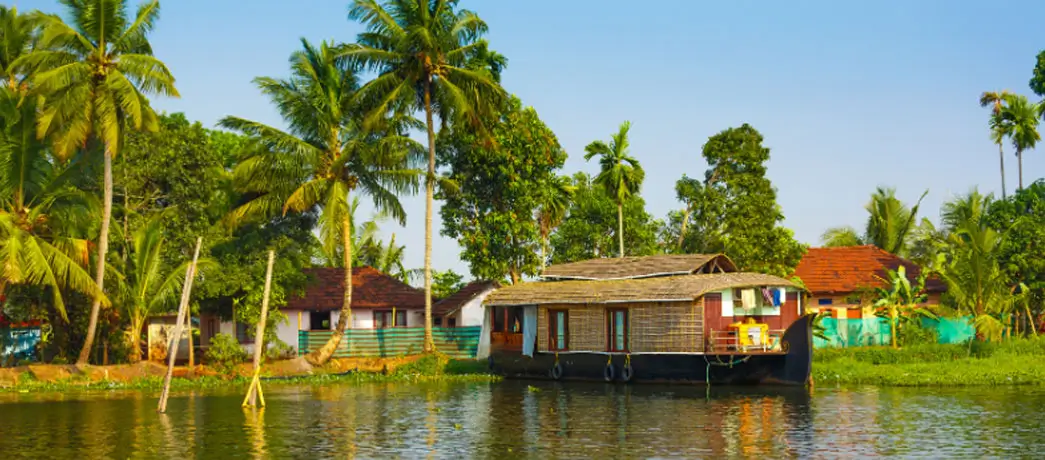
In Kerala, emerald backwaters mirror coconut palms and village life floats at an unhurried pace. Houseboats glide across lakes, spice plantations perfume the air, and wildlife sanctuaries like Periyar add a sense of green stillness.
The neighboring state of Karnataka balances forests with heritage — from Coorg’s coffee estates to the ruins of Hampi. Tamil Nadu’s hill stations, such as Kodaikanal and Ooty, offer misty mornings and serene lakes perfect for peaceful stays.
If you move east, Assam’s Kaziranga brings encounters with one-horned rhinos, while Meghalaya’s living root bridges and waterfalls feel like hidden paradise. Sikkim’s alpine lakes and monasteries provide a rare combination of spirituality and natural purity.
Every region feels like a painting — different colors, same calm. For travelers who want space, silence, and beauty, these landscapes feel like an exhale.
Adventure in India doesn’t always mean danger — it means discovery. For those drawn to mountains, deserts, and forests, North and Central India provide thrill with soul.
The high-altitude desert of Ladakh remains a favorite for trekking, motorbiking, and photography. Roads curve through mountains painted in bronze and snow. Villages like Nubra, Turtuk, and Pangong Lake show a life shaped by resilience.
In Uttarakhand and Himachal Pradesh, adventure blends with spirituality — white-water rafting in Rishikesh, paragliding in Bir-Billing, and mountain hikes around Dharamshala or Auli. These experiences invite both adrenaline and mindfulness.
Further south, Madhya Pradesh becomes the wild heart of India. National parks like Bandhavgarh, Kanha, and Satpura offer thrilling jungle safaris with tigers, leopards, and sloth bears. Here, adventure takes the shape of silence — waiting, watching, and witnessing life in its rawest form.
For desert adventures, Rajasthan’s Thar Desert offers camel safaris, dune camps, and jeep rides under starlit skies. It’s an adventure in timelessness — where every dune hides a tale.
For travelers who believe true travel means stillness and renewal, India’s coastline and islands offer the perfect escape.
In the south, Goa balances energy and calm — golden beaches, Portuguese architecture, yoga retreats, and seafood shacks where sunsets turn into music. North Goa attracts lively crowds, while South Goa remains peaceful with boutique resorts hidden under palms.
Kerala’s Marari Beach, Varkala Cliffs, and Kovalam provide relaxation with a traditional touch — where Ayurveda massages and gentle ocean waves merge seamlessly.
On the eastern side, Pondicherry radiates tranquility with its French quarters, quiet cafes, and spiritual calm at Auroville. For island lovers, the Andaman and Nicobar Islands or Lakshadweep are ideal — pristine blue waters, coral reefs, and complete seclusion.
Relaxation in India isn’t about doing nothing; it’s about finding peace in the rhythm of simple living — watching fishermen at dawn, sipping coconut water, or practicing yoga as the sun melts into the sea.
Choosing where to travel in India depends not only on what you love, but also on how you travel. Some travelers move slow, others prefer to cover distance. A private car and driver allows flexibility — adjusting routes based on mood, time, and discovery.
If you’re drawn to royalty and architecture, the Golden Triangle with Rajasthan route — Delhi, Agra, Jaipur, Udaipur — delivers unforgettable heritage with comfort.
For nature and spirituality, a South India circuit — Kochi, Munnar, Periyar, and Alleppey — connects tea gardens, backwaters, and temples.
For adventure, combine Delhi to Leh by road or explore the jungles of Madhya Pradesh through multi-park safaris.
For relaxation, Goa or Kerala with boutique wellness resorts make perfect escapes.
Each route can be customized with local festivals, cultural workshops, and handpicked stays — making your journey as unique as your interests.
India’s climate varies widely, so choosing the right time ensures the best experience for your chosen region.
Travelers often combine regions seasonally — spending early winter in Rajasthan, and moving south as temperatures drop further. With a private car and driver, this seasonal flow becomes effortless.
In India, food is not just taste — it’s geography on a plate. Every region tells its story through flavor.
The north offers tandoori breads, kebabs, and rich curries. The west brings Gujarati thalis, Rajasthani dal baati, and Goan seafood. The south serves idlis, dosas, coconut gravies, and filter coffee, while the east delights with fish curries and sweets like rasgulla.
Cultural expressions also change with geography — Kathak dance in Uttar Pradesh, Bharatanatyam in Tamil Nadu, Garba in Gujarat, and Bihu in Assam. These experiences aren’t performances for tourists; they’re living traditions that reflect the region’s soul.
Traveling through India becomes an ongoing feast — of senses, history, and humanity.
Many travelers prefer to blend interests — combining heritage with relaxation, or nature with spirituality. India’s road and flight networks make such cross-regional journeys easy.
A well-designed itinerary could start in Delhi’s monuments, move through Jaipur’s royal past, and end in Kerala’s peaceful backwaters — a blend of power, poetry, and peace.
Others combine wildlife parks of Central India with coastal wellness retreats, or Himalayan treks with spiritual experiences in Rishikesh.
What matters most is balance. Each region offers a mood — some intense, some calm. Choosing the right combination ensures the heart of the journey feels aligned with your inner pace.
When seen together, they reveal that India is not a single destination but a living spectrum. Choosing your region is like choosing which emotion of India you wish to feel first — majesty, peace, energy, or calm.
Wherever you go, travel here works best when approached with openness and respect. India gives more when travelers engage deeply — learning a few local phrases, tasting regional food, or listening to stories from guides.
With each conversation, you see that behind the differences lies a shared rhythm — kindness, hospitality, and resilience. Hiring local guides and private drivers not only adds comfort but ensures you understand the heart behind every landmark and village.
The right region is not chosen by map; it’s chosen by emotion. The desert may calm one traveler, while another finds peace in the Himalayas. India meets everyone where they are.
The Golden Triangle with Rajasthan offers a perfect mix of culture, architecture, and comfort for newcomers.
Kerala, Sikkim, and Meghalaya are ideal for natural beauty, green landscapes, and calm surroundings.
Ladakh, Rishikesh, and Central India’s wildlife reserves offer thrilling and safe adventure experiences.
Goa, Kerala’s coastal belt, and the Andaman Islands provide relaxing and scenic seaside holidays.
Yes, customized itineraries with a private driver make it easy to combine heritage, nature, and wellness regions.
Every region has its specialty — Punjab for tandoori, Kerala for spices, Gujarat for vegetarian thalis, and Bengal for sweets.
North India with Varanasi, Rishikesh, and Haridwar, and South India with Madurai and Rameswaram are deeply spiritual.
Spend at least 7–10 days per region for meaningful travel without rushing.
October to March suits most of India; April to June for mountains, July to September for Kerala and monsoon destinations.
Work with an experienced India tour operator who provides custom private car and driver services for seamless regional exploration.