

11 Apr 2026
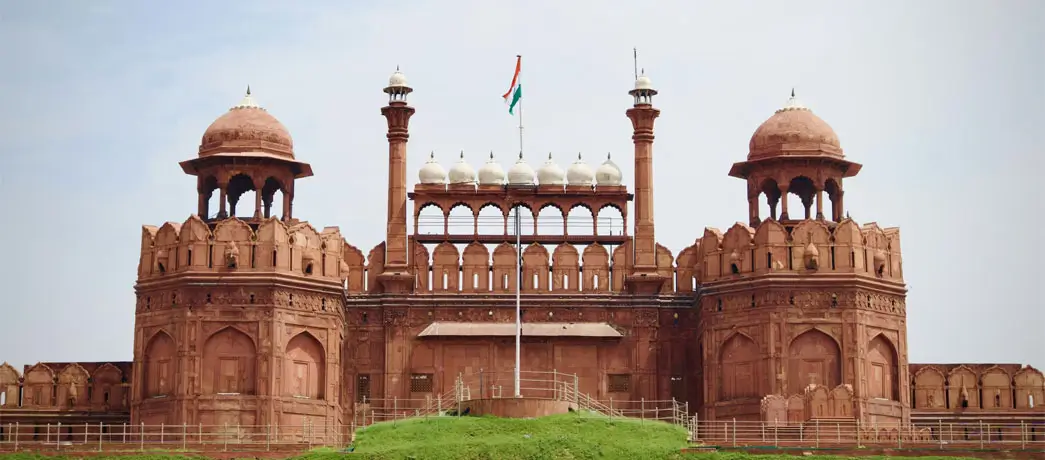
India is often described as one of the most culturally diverse countries in the world. Travelers visiting the country quickly discover that moving even a few hundred kilometers can introduce entirely new traditions, languages, foods and architectural styles. This remarkable diversity is one of the reasons why exploring India feels like visiting multiple countries within a single journey.
For international travelers, understanding India’s cultural diversity helps create a deeper appreciation of the country. Instead of expecting a single uniform culture, visitors soon realize that each region possesses its own unique identity shaped by centuries of history, geography and local traditions.
The phrase often repeated by travelers and historians alike is that India changes every few hundred kilometers. A journey that begins in the historic cities of northern India may lead through desert landscapes, coastal regions, mountain towns and tropical forests, each with distinct customs and lifestyles.
Traveling across the country through a private India tour with car and driver allows visitors to experience these gradual cultural transitions more clearly. Road journeys reveal changing landscapes, different styles of homes, varied clothing traditions and regional cuisines that reflect local environments.
Travelers who wish to explore the country through customized cultural journeys can contact travel experts at +91-9829020060 or email info@indiatourspackages.com.
India’s cultural diversity is deeply rooted in its long and complex history. For thousands of years, the subcontinent has been home to numerous kingdoms, empires and communities that developed their own traditions and artistic expressions.
Ancient trade routes connected India with regions across Central Asia, the Middle East and Southeast Asia. These connections brought new ideas, technologies and cultural influences that blended with local traditions.
Over centuries, powerful dynasties such as the Mauryas, Guptas, Mughals and various regional kingdoms shaped the cultural identity of different regions. Each ruling power introduced architectural styles, artistic traditions and social practices that continue to influence local culture today.
Because many of these kingdoms ruled specific regions rather than the entire subcontinent, their cultural legacies remained concentrated in particular areas. As a result, travelers moving from one region to another often encounter completely different historical influences.
This layered history is one of the reasons why India cultural traditions vary widely across regions.
A quick look at how India’s diversity creates a new travel experience every few hundred kilometers.
Chat On WhatsApp Contact UsLanguage is one of the most visible indicators of India’s cultural diversity. The country is home to hundreds of languages and dialects, many of which belong to completely different linguistic families.
As travelers move between regions, they often hear entirely new languages being spoken. In northern India, languages such as Hindi and Punjabi are widely used, while southern states use languages such as Tamil, Telugu, Kannada and Malayalam.
Even within a single state, dialects and accents may vary significantly between cities and rural areas. These linguistic differences reflect centuries of local cultural development.
Despite this diversity, travelers rarely face communication difficulties in major tourist destinations because English is widely used in hospitality, tourism and business sectors.
For visitors exploring the country on India private tours, encountering different languages adds another layer of cultural richness to the journey.
Architecture provides another fascinating example of how India’s culture evolves across regions. The design of temples, forts, houses and public buildings reflects local history, climate and artistic traditions.
In northern India, travelers often encounter Mughal architecture characterized by domes, symmetrical gardens and intricate marble work. Monuments such as the Taj Mahal and Humayun’s Tomb illustrate the elegance of this style.
Rajasthan’s royal cities display a different architectural tradition influenced by Rajput kingdoms. Massive hilltop forts, ornate palace balconies and colorful city walls create landscapes that reflect the region’s royal past.
Southern India introduces yet another architectural tradition through its elaborate temple complexes. Towering gateways decorated with detailed sculptures dominate the skyline of temple towns.
Travelers exploring the country through cultural tours in India often find that architecture tells the story of each region’s history and identity.
Food is one of the most enjoyable ways travelers experience India’s cultural diversity. Each region has developed unique culinary traditions based on local ingredients, climate and cultural influences.
Northern Indian cuisine often includes wheat-based breads, rich curries and aromatic spices. Dishes prepared in traditional clay ovens are particularly popular in this region.
Rajasthan’s desert environment has shaped a cuisine that relies on preserved ingredients, lentils and spices that withstand arid conditions.
Southern India introduces travelers to rice-based meals, coconut flavors and fermented dishes that reflect the region’s tropical climate.
Coastal regions feature seafood dishes influenced by centuries of maritime trade.
For travelers exploring different regions during India private travel experiences, sampling local cuisine becomes an essential part of the journey.
Clothing styles also change noticeably across India’s regions. Traditional garments vary based on climate, cultural traditions and local craftsmanship.
In northern India, travelers often see vibrant fabrics, embroidered garments and colorful turbans that reflect desert culture and royal traditions.
Rajasthan’s villages are known for bright textiles and handcrafted jewelry that represent centuries-old artistic traditions.
In southern India, traditional clothing often includes lighter fabrics suited to the tropical climate. Elegant silk garments are commonly worn during festivals and special occasions.
These regional differences create visually striking scenes for travelers exploring local markets and cultural festivals.
Observing these traditions during cultural travel in India offers insight into how communities maintain their heritage while adapting to modern life.
Festivals are another powerful expression of India’s cultural diversity. Throughout the year, different regions celebrate events that reflect religious traditions, agricultural cycles and historical events.
Northern India is famous for vibrant festivals such as Holi and Diwali, where streets fill with color, music and celebration.
Southern India hosts elaborate temple festivals that include traditional dances, decorated chariots and ceremonial processions.
In Rajasthan, desert festivals showcase folk music, camel parades and traditional performances that celebrate the region’s cultural heritage.
Each festival reflects the traditions and values of the community that celebrates it. For travelers, witnessing these celebrations offers a deeper understanding of India’s cultural spirit.
Beyond the major cities and monuments, India’s villages preserve traditions that have existed for generations. Rural communities often maintain traditional crafts, agricultural practices and local customs that differ from urban lifestyles.
Travelers exploring countryside regions often encounter artisans producing textiles, pottery and jewelry using techniques passed down through families.
Village markets offer fresh produce, handmade goods and glimpses of everyday life that rarely appear in large metropolitan areas.
These rural landscapes reveal a slower rhythm of life where community relationships and traditional values remain central.
Experiencing village life during private driver tours in India allows travelers to appreciate the cultural depth that exists beyond major tourist attractions.
Planning to travel across India? Learn how cultural diversity changes across regions and how to prepare for a variety of experiences in one journey.
Chat On WhatsApp Contact UsIndia’s geographical diversity plays a major role in shaping cultural differences. Mountains, deserts, rivers and coastlines create natural boundaries that influence how communities develop.
The Himalayan region supports cultures influenced by mountain environments and Buddhist traditions. Desert landscapes in Rajasthan encourage architectural styles designed to withstand extreme climates.
Coastal regions develop maritime traditions influenced by trade and fishing communities.
These environmental differences influence everything from cuisine and clothing to architecture and lifestyle.
Travelers moving across the country often notice how India’s geography shapes regional cultures.
For travelers, the best way to understand India’s cultural diversity is through exploration. Visiting multiple regions during a journey allows visitors to witness how traditions evolve across the country.
Road journeys between cities reveal gradual transitions in landscapes, languages and architectural styles. Markets display local crafts unique to each region, while restaurants offer regional dishes that reflect local ingredients.
Traveling with a private car and driver in India often enhances this experience because travelers can pause along the route to explore small towns, craft villages and scenic locations.
These moments of discovery help visitors appreciate the cultural richness that defines the country.
India’s cultural diversity is not simply a collection of regional differences; it is the essence of the country’s identity. The coexistence of multiple traditions, languages and lifestyles creates a vibrant social fabric that has evolved over centuries.
For travelers, this diversity transforms every journey into an exploration of human creativity and history. Moving from one region to another reveals new perspectives, artistic expressions and cultural philosophies.
Understanding how India’s culture changes across regions allows visitors to appreciate the depth and complexity of the country.
Travelers interested in designing cultural tours across India can receive travel planning assistance by contacting +91-9829020060 or emailing info@indiatourspackages.com.
Travel planning assistance is available at +91-9829020060 or info@indiatourspackages.com.
Traditional garments vary widely between regions.
Many rural communities maintain cultural practices passed down for generations.
Yes, private India road journeys reveal changing traditions and landscapes.
Monuments and temples reflect different historical influences in each region.
Yes, festivals reflect regional traditions and religious practices.
Each region has unique cuisine influenced by climate and local ingredients.
Hundreds of languages and dialects exist across different states.
Yes, traditions and lifestyles vary significantly across the country.
India contains many languages, traditions and regional customs developed over centuries.