

02 Dec 2025
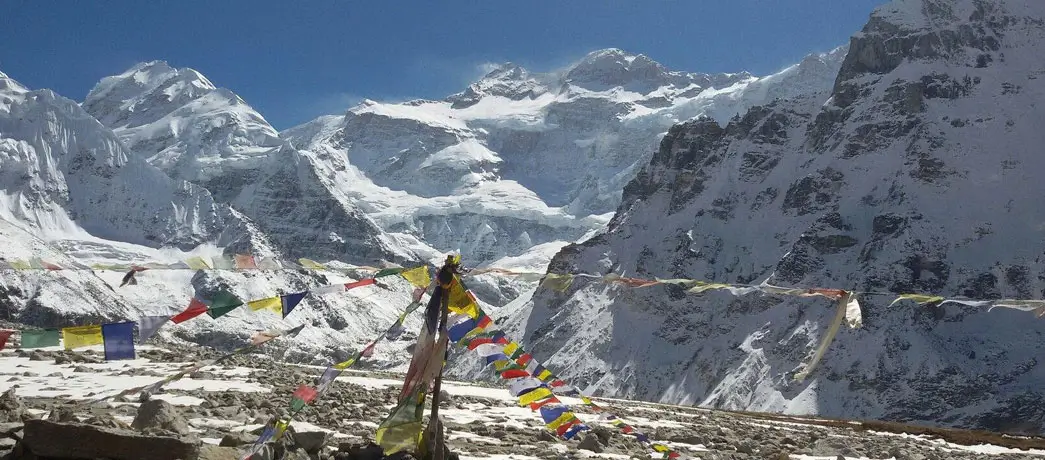
Where the Planet Touches the Sky
India’s Himalayan range forms one of Earth’s most powerful landscapes—towering snow pyramids shaped by ancient tectonic shifts, glaciers carved by centuries of wind, and valleys sculpted by roaring rivers that descend through deep gorges.
These peaks stand like guardians of the subcontinent, influencing climate, culture, mythology, and natural ecosystems.
From the mighty Kangchenjunga to the sharp ridgelines of Nanda Devi, India’s Himalayan summits create a mesmerizing skyline filled with grandeur and spiritual resonance.
Monasteries, alpine meadows, icy cliffs, and glacial lakes lie in the shadows of these mountains, forming rich ecological zones and sacred landscapes.
This guide reveals the finest Himalayan giants within India—each carrying an identity shaped by geological wonder, cultural narratives, and mountaineering legacy.
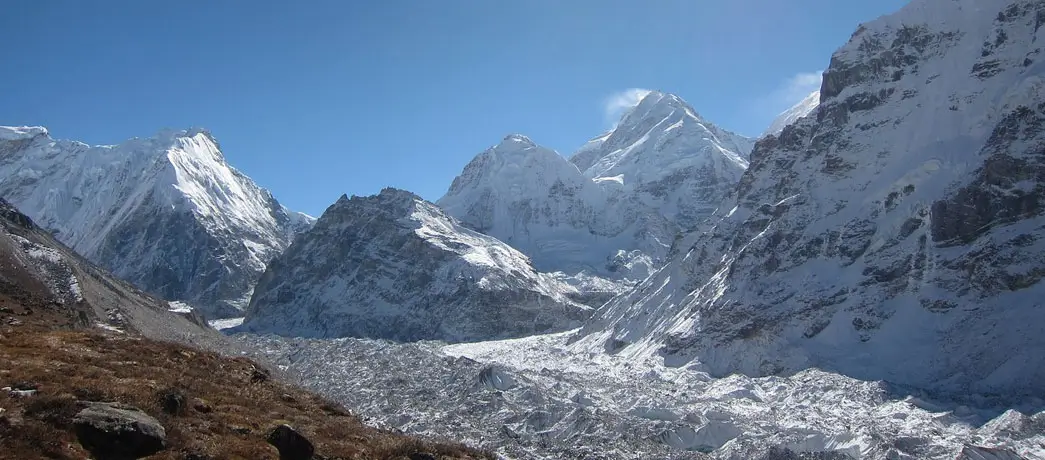
Kangchenjunga rises magnificently on the border between India and Nepal, standing at 8,586 meters, making it India’s tallest Himalayan peak and the third-highest mountain on Earth.
Its massive structure comprises five summits known collectively as the Five Treasures of Snow.
The mountain’s steep ice walls, hanging glaciers, and dramatic ridgelines create one of the most challenging climbs in world mountaineering.
Dense forests, rhododendron valleys, alpine slopes, and glacial pathways surround the base regions, offering breathtaking trekking zones.
The region holds deep spiritual significance, with locals considering the peak sacred. For that reason, mountaineers refrain from stepping on the absolute summit—as a gesture of respect.
Sunrise views from Sikkim’s vantage points such as Tiger Hill and Goecha La reveal glowing golden light spreading across Kangchenjunga’s icy crown.
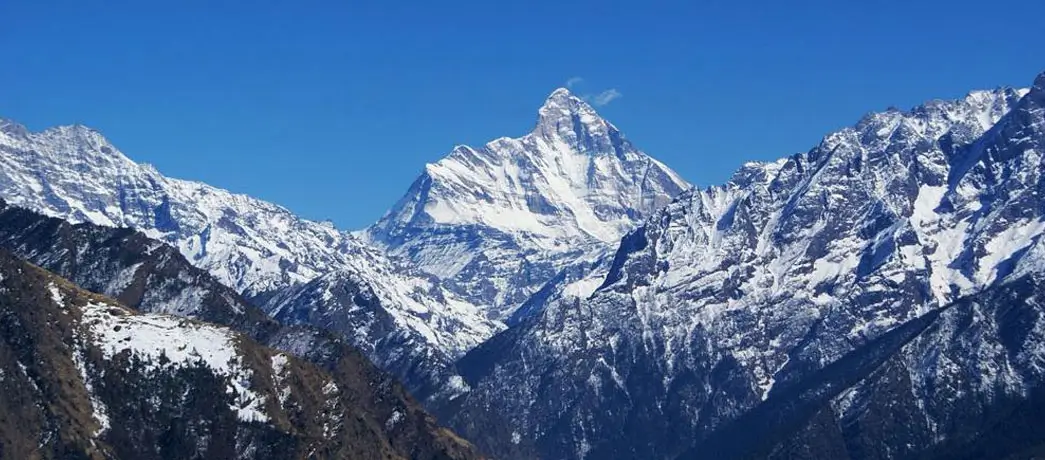
Nanda Devi, standing at 7,816 meters, forms India’s second-highest peak entirely within national territory.
Its two summits—Main and East—form a majestic sanctuary encircled by lofty mountain walls known as the Nanda Devi Biosphere Reserve, a UNESCO World Heritage site.
The sanctuary remains one of India’s most protected ecological zones. Deep gorges, rich forests, rare Himalayan species, and glacial valleys define the region.
For mountaineers, Nanda Devi symbolizes beauty mixed with formidable terrain—steep rock faces, sharp ridges, and unpredictable weather.
Locals revere the mountain as a form of divine feminine power.
Trekking routes leading toward the outer sanctuary offer surreal glimpses of snow-draped ridges that encircle the sacred core.
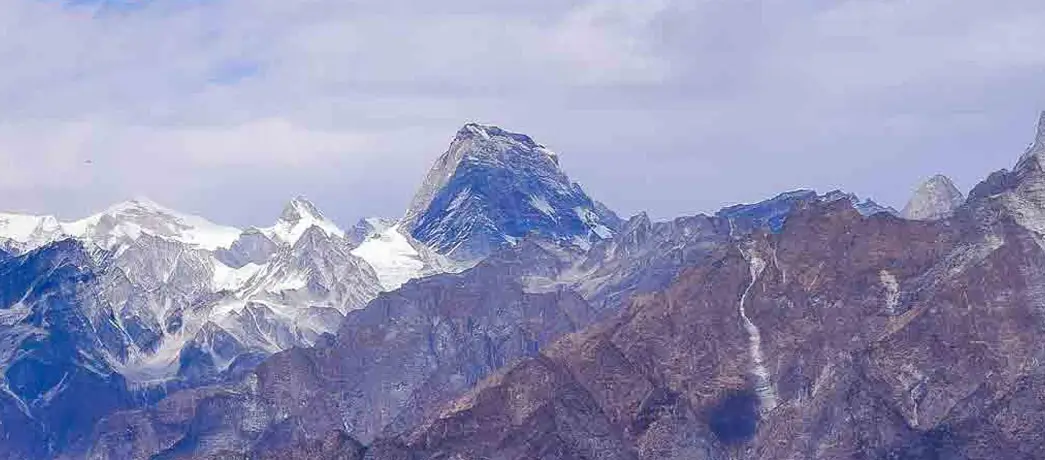
Located in Uttarakhand, Kamet rises to 7,756 meters, making it India’s third-highest peak.
Its pyramid-like shape, crowned with steep ridges and icy cornices, gives it distinctive character.
Kamet lies near the Tibetan plateau, surrounded by icy glaciers and high-altitude passes.
The approach to the mountain involves crossing remote alpine valleys, glaciated terrain, and rugged moraines, making it an exciting challenge for serious mountaineers.
The surrounding region includes snow-fed rivers, barren icy plateaus, and rare wildlife adapted to harsh Himalayan climates.
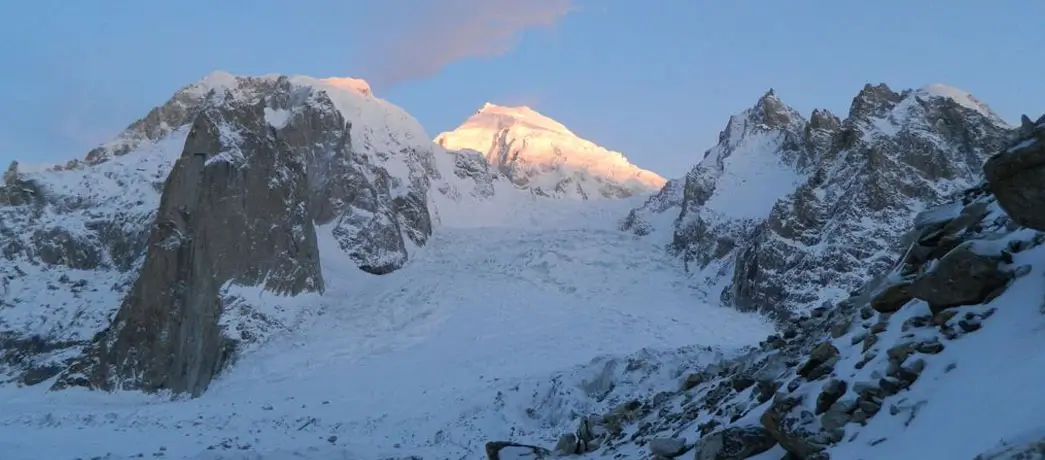
In the eastern Karakoram range of India, Saltoro Kangri reaches 7,742 meters, standing as one of the most significant summits overlooking the Siachen Glacier region.
Its massive snow walls, knife-edge ridges, and icefalls form a striking silhouette against the sky.
The region remains dominated by vast glaciers, endless snowfields, and rugged ice formations that create a dramatic visual environment.
Saltoro Kangri’s remoteness, combined with its extreme weather, makes it one of India’s most challenging peaks.
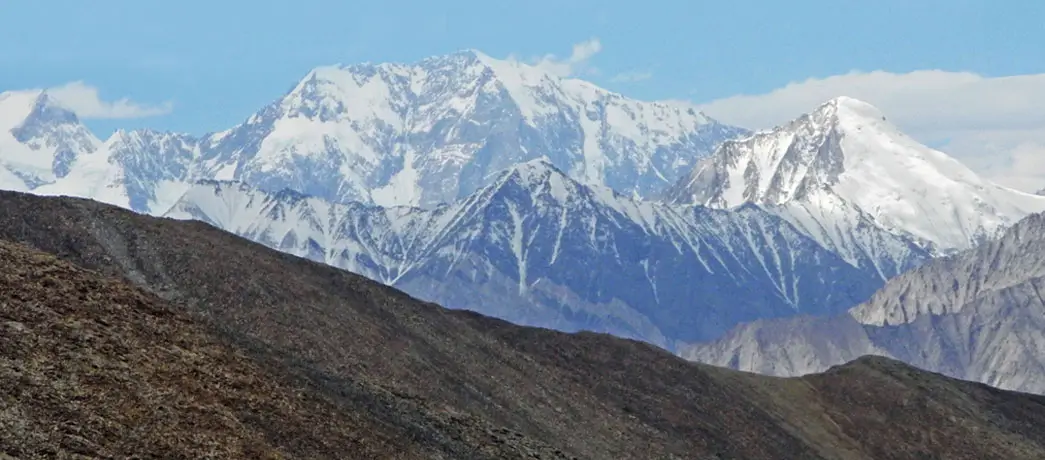
Saser Kangri, part of the Saser Muztagh subrange in Ladakh, includes several lofty summits, with the highest reaching 7,672 meters.
Its icy surfaces, steep rock towers, and broad glaciers form an impressive Himalayan composition.
Mountaineers admire Saser Kangri for its technical challenges, demanding altitude conditions, and massive glaciated approaches.
The surrounding valleys showcase barren lunar landscapes, cold deserts, and ancient trade routes historically used by caravans.
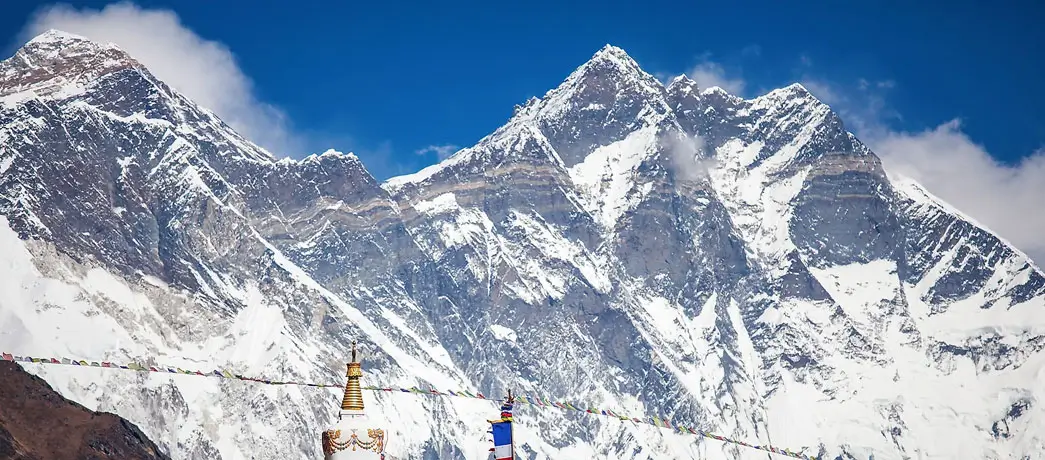
Mamostong Kangri rises to 7,516 meters, located in the remote reaches of Ladakh near the Siachen Glacier.
Stunning glacial basins, towering ice cliffs, and long snow ridges define the mountain’s grandeur.
Due to its isolation, Mamostong Kangri remains a less frequently attempted peak.
Those who witness it describe extraordinary views of frozen rivers, wind-sculpted snowfields, and untouched beauty.
The peak stands as a symbol of Ladakh’s wild, remote Himalayan identity.
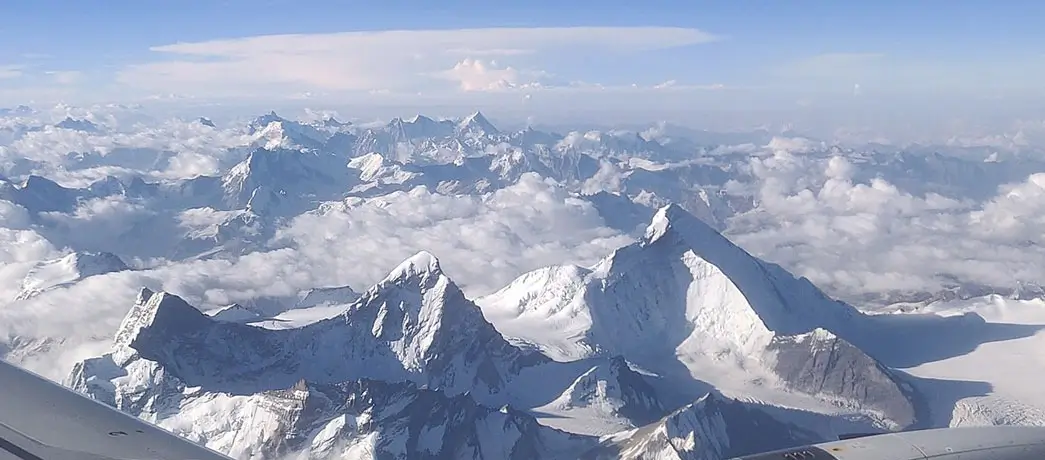
The Nun Peak, standing at 7,135 meters, forms one half of the famous Nun-Kun massif in Ladakh.
Its sharp summit ridge, steep snow slopes, and towering ice faces create a powerful alpine silhouette.
The surrounding Zanskar region features deep gorges, icy rivers, and Buddhist settlements nestled among high mountains.
Mountaineers often describe Nun as technically demanding, with strong winds and icy ridges providing significant challenges.
The nearby Kun peak complements Nun, forming a dramatic twin-mountain composition admired by photographers and trekkers alike.
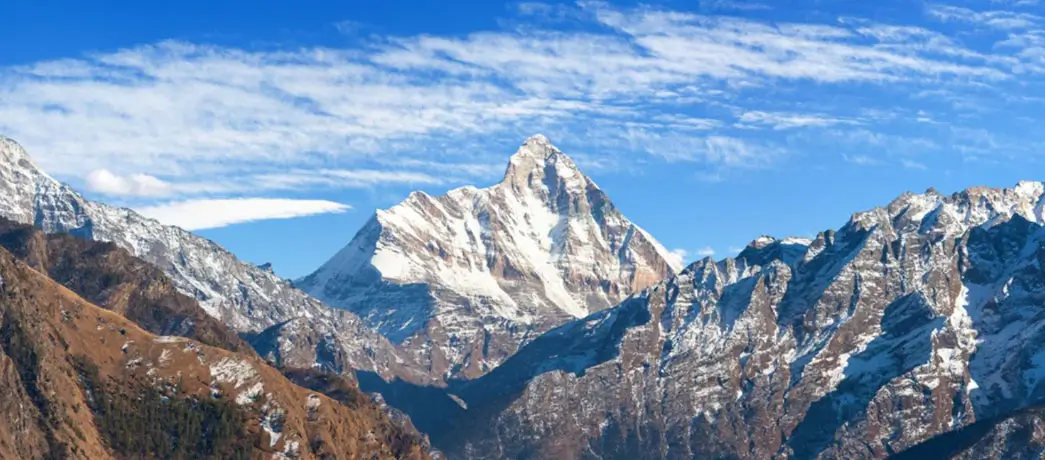
Hardeol, standing at 7,151 meters, forms part of the Kumaon region’s eastern Himalayan chain.
Often called the Temple of God, its snowy dome rises above deep valleys, lush forests, alpine meadows, and remote mountain settlements.
Hardeol’s peaceful environment blends steep cliffs with green foothills, showcasing varied Himalayan ecology.
Photographers admire how sunlight falls on its long ridges, creating golden-orange hues during morning hours.
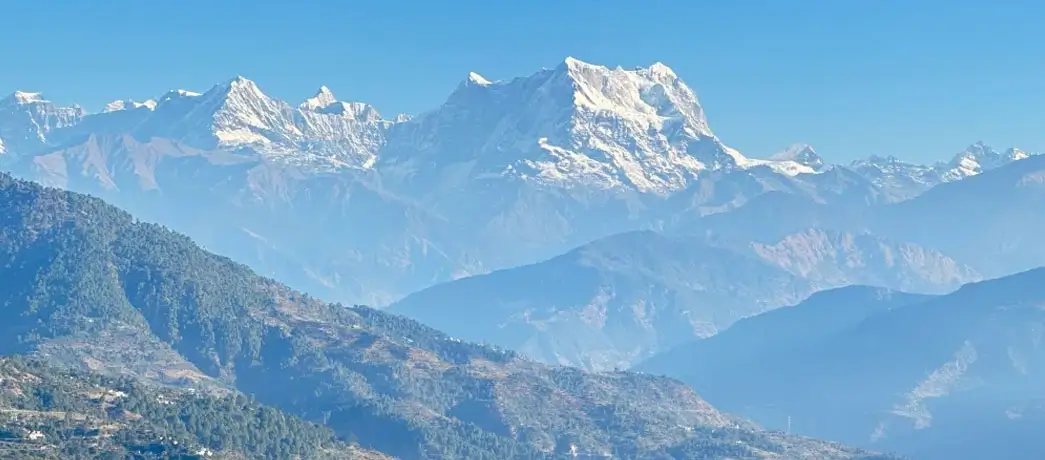
Chaukhamba, located in Uttarakhand, features four majestic summits forming a giant snow massif, with the highest reaching 7,138 meters.
Its name signifies Four Pillars, representing a mighty structure towering above the Gangotri region.
The mountain overlooks sacred river origins, glacial valleys, and trekking routes that carry spiritual and natural richness.
The glacial terrain stretching from Chaukhamba feeds some of North India’s most important river systems, giving the peak significant geographical value.
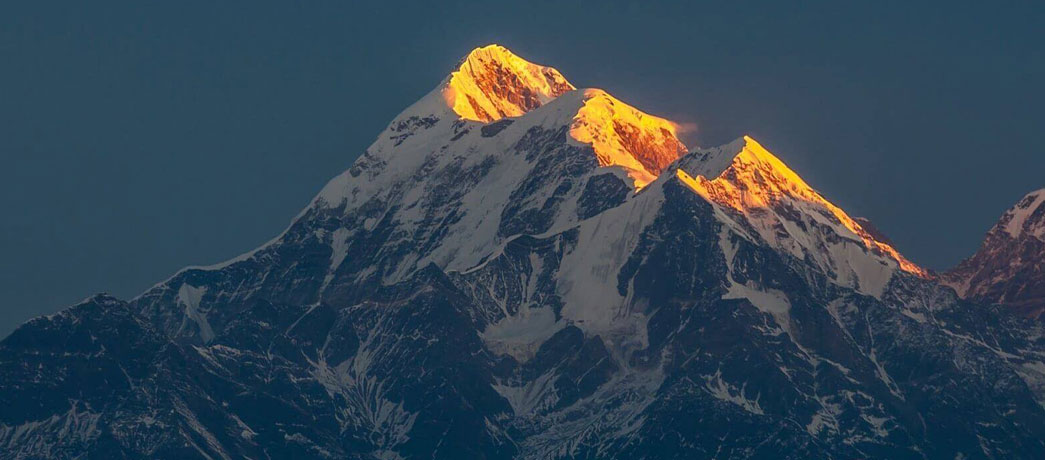
Named after the three-pronged trident, Trisul includes three dramatic summits, with the tallest standing at 7,120 meters.
This powerful mountain formation lies near the Nanda Devi region, contributing to the area’s breathtaking skyline.
The slopes of Trisul include icy domes, rugged ridges, and sweeping snowfields that reveal dramatic alpine architecture.
The region’s trekking routes provide stunning views of the peak glowing under sunrise and sunset light.
The Himalayan environment surrounding these peaks features an extraordinary mix of terrains:
Each landscape reflects the powerful influence of the Himalayas on climate, culture, and natural life across northern India.
Many Himalayan peaks hold sacred meaning in Hindu, Buddhist, and local mountain traditions.
Nanda Devi represents divine feminine strength.
Chaukhamba stands near river origins associated with ancient mythology.
Kangchenjunga commands deep respect among communities who regard it as a protector.
Monasteries, shrines, and spiritual trails across the Himalayas reflect centuries of reverence for these mountains.
Travelers often describe the region as carrying profound calmness and spiritual energy.
Winter reveals pure white landscapes, while April to June and September to October provide clear skies ideal for observing peaks.
Monsoon brings mist and cloud formations, creating soft atmospheres around ridges and valleys.
Photographers appreciate early morning hours for crisp views and golden illumination across summits.
Kangchenjunga stands as India’s tallest at 8,586 meters.
Nanda Devi is India’s highest peak located completely inside national boundaries.
Only trained mountaineers can attempt them; general tourists admire from viewpoints.
Sikkim’s Goecha La and Darjeeling’s Tiger Hill offer stunning views.
Trisul, Chaukhamba, and Nanda Devi are visible from several road-accessible points.
Yes, special permits are mandatory for all major peaks.
Autumn and late spring offer the clearest views.
Nanda Devi carries profound spiritual importance in Uttarakhand.
Many summits can be seen from Auli, Munsiyari, Darjeeling, and parts of Sikkim.
Yes, including Nanda Devi Biosphere Reserve and several high-altitude national parks.