

10 Nov 2025
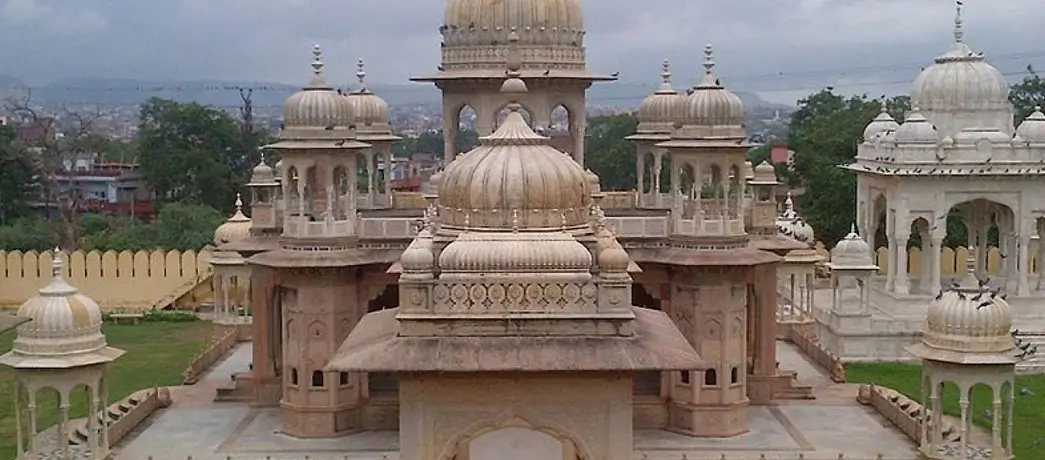
Jaipur’s beauty is far deeper than its grand palaces, busy bazaars and well-known monuments. Beyond the iconic landmarks lies an entirely different side of the city — quiet corners, forgotten structures, ancient stepwells, artistic neighborhoods, peaceful lakes and panoramic hilltop viewpoints. These places represent a slower, more intimate and more luxurious version of Jaipur, where the atmosphere feels calmer, the crowds disappear and the city reveals its hidden charm softly.
Travellers who wish to feel Jaipur’s authentic rhythm — not the tourist rush, but the local heartbeat — often fall in love with these hidden gems. These offbeat places help visitors enjoy Jaipur on a deeper level: walking through empty courtyards, watching reflections in tranquil lakes, capturing soft sunlight on historic stone, sipping tea inside heritage complexes and exploring spaces untouched by mass tourism.
This luxury-informative guide presents 22 secret locations in Jaipur that offer a premium style of travel — peaceful, elegant and full of cultural character. Each spot is written with depth so a traveller truly understands what makes it special.
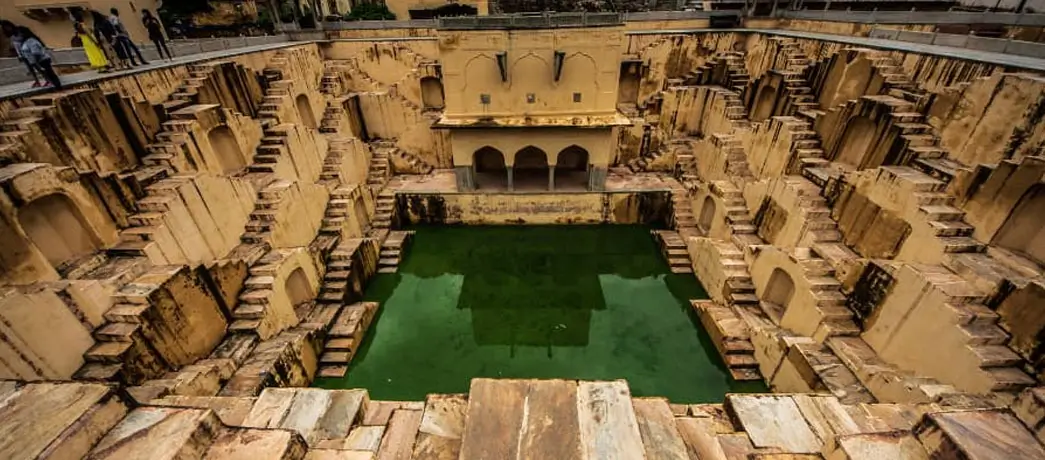
Panna Meena Ka Kund is one of the finest examples of ancient stepwell architecture in India. The geometric arrangement of steps creates a hypnotic pattern that appears almost artistic from every angle. Early morning light enhances the pastel shades of its walls, making the stepwell glow gently. This location becomes an immersive moment where silence, symmetry and history merge naturally. Luxury travellers adore this spot for photography and calm reflection.
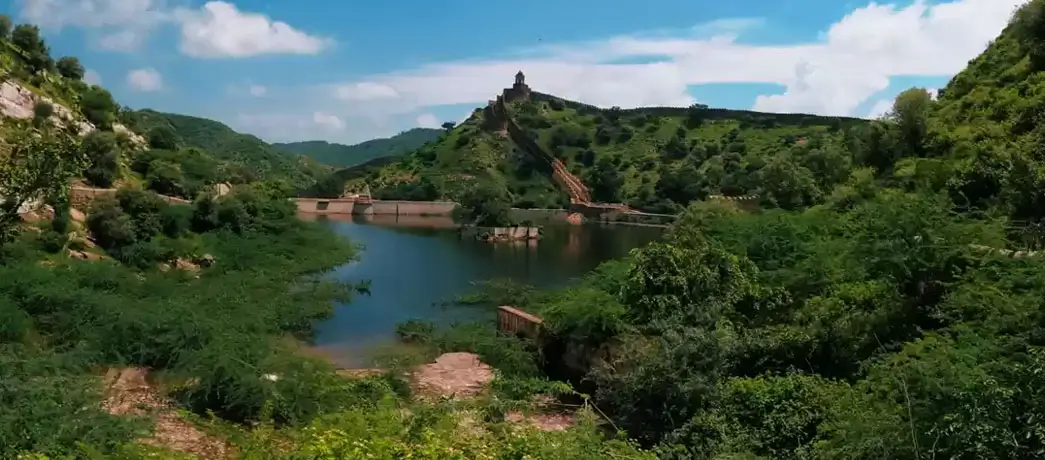
Amer Sagar Lake is one of Jaipur’s best-kept secrets, resting quietly behind the grand Amber Fort. The hills surrounding the lake create a bowl-shaped natural amphitheater, where the water becomes a mirror reflecting the sky. During monsoon, the lake fills completely, turning emerald green and attracting migratory birds. It is a peaceful alternative to the crowded fort area, offering an exclusive nature experience.
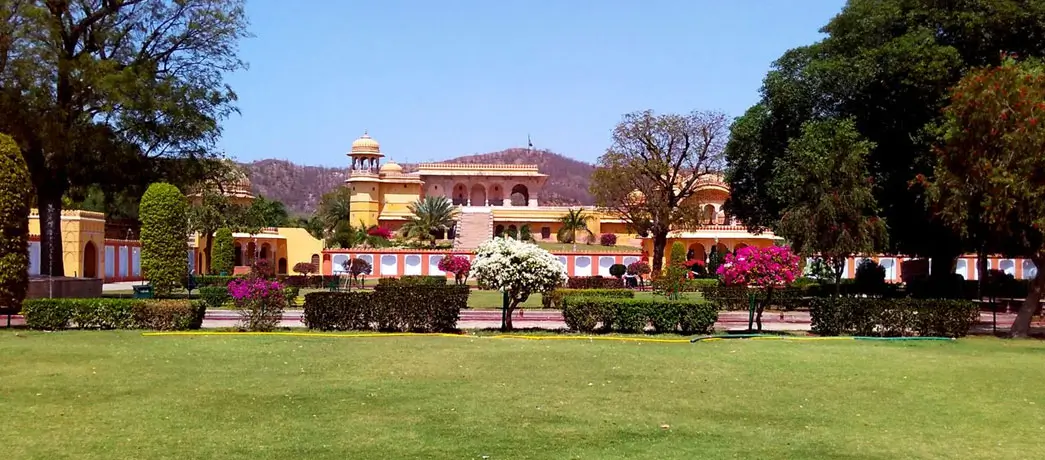
Kanak Ghati blends Mughal-style gardens, open green lawns and crafted stone pathways. The surrounding hills and the view towards Jal Mahal add royal charm to the landscape. Its fountains, pavilions and blossoming trees make the space ideal for slow, elegant strolls. Luxury travellers enjoy the serene environment which contrasts beautifully with Jaipur’s buzzing streets.
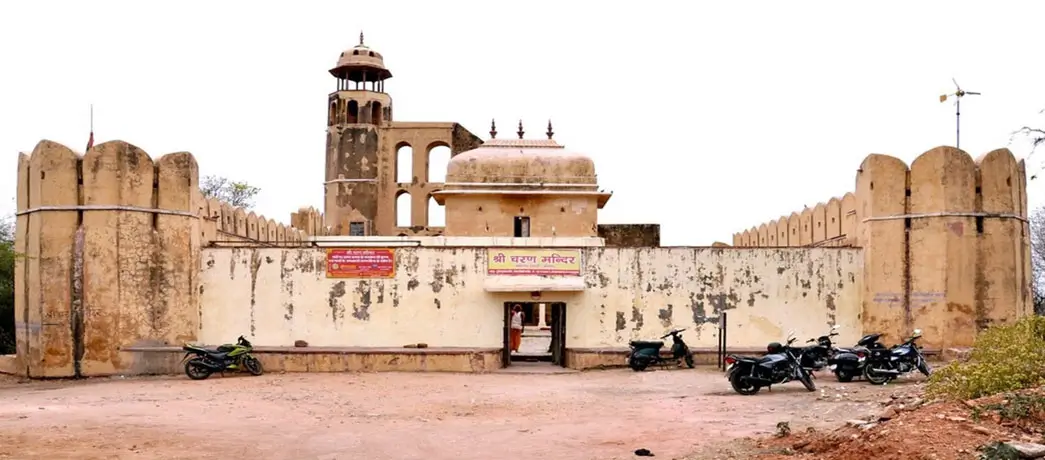
Charan Mandir sits between Amber and Nahargarh, offering panoramic views in all directions. Evening sunlight bathes the shrine in amber tones. Travellers who enjoy quiet spiritual energy and elevated views find this place captivating. The soft breeze, hilltop silence and wide open spaces create an experience that feels naturally luxurious.
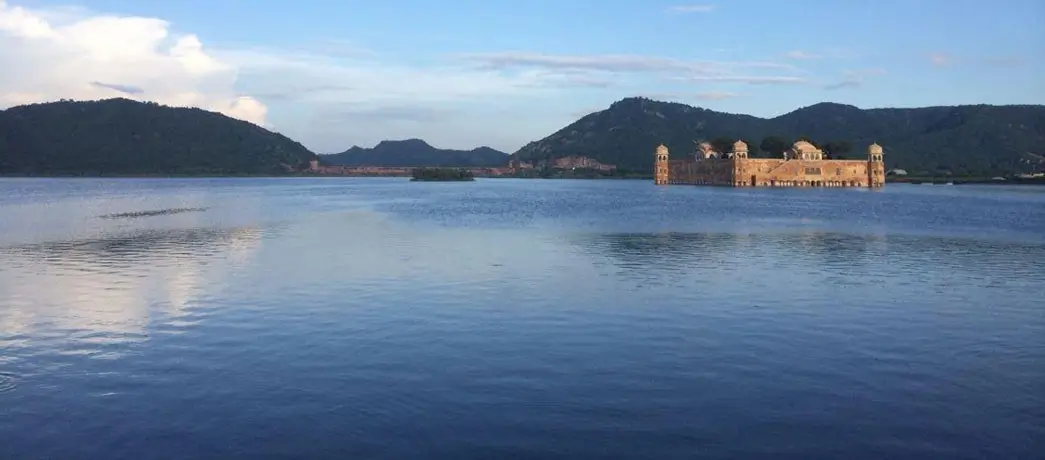
Sagar Lake is an atmospheric heritage reservoir located close to Amber’s old settlements. The surrounding fortifications, stone walls and ancient pathways give the place a mysterious charm. In winter, fog frequently settles over the lake, making the entire scene magical. It’s a peaceful escape that feels untouched by tourism.
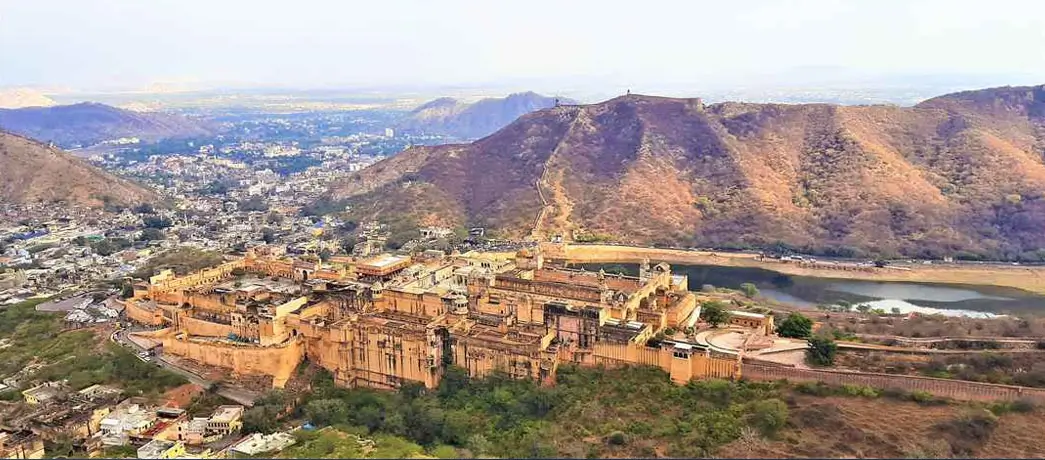
A hidden pathway behind Amber Fort leads to a viewpoint from where the entire structure can be seen in harmonious proportion. The morning light hits the sandstone walls beautifully. Many professional photographers call this the most authentic angle of the fort. As very few people know about the place, the viewpoint offers exclusivity and privacy — perfect for luxury travellers.
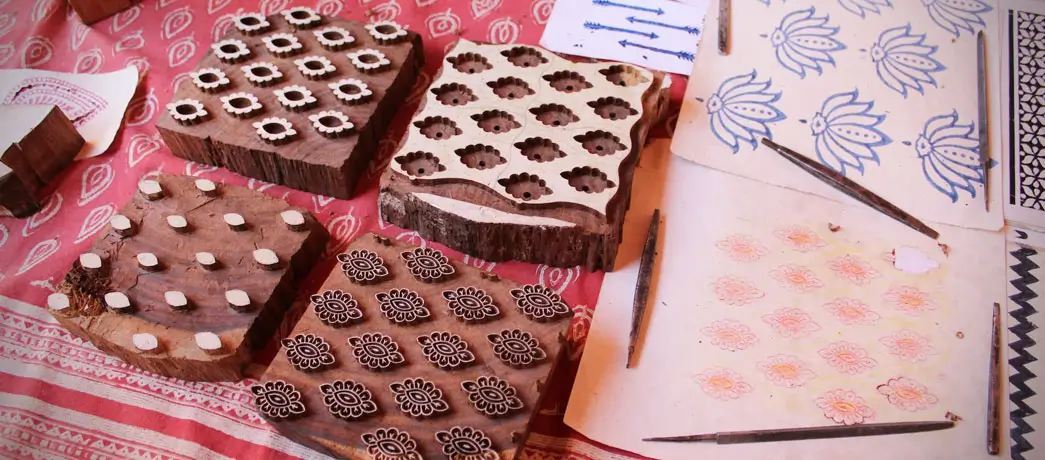
Anokhi Museum celebrates the heritage craft of block printing, one of Rajasthan’s finest textile traditions. The museum, housed in a restored haveli, offers curated exhibits showing the evolution of printing, wooden blocks, natural dyes and artisan techniques. The space feels refined and elegant — ideal for travellers who appreciate handmade art and cultural preservation.

Purohit Ji Ka Bag is an open valley area that becomes especially beautiful during sunrise and monsoon months. The hills form natural ridges around the spot, creating a peaceful atmosphere. Travellers who want to escape city noise often come here for relaxed nature walks, photography or simply quiet moments.
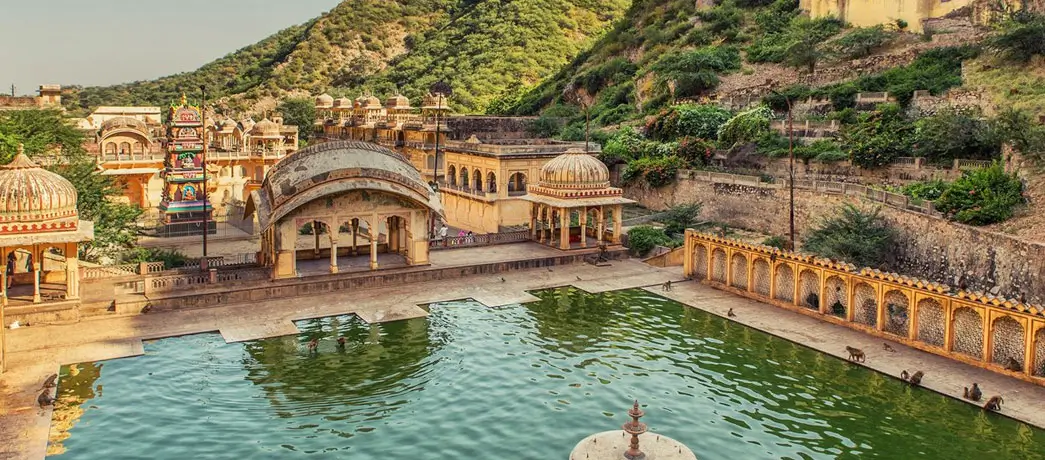
Most visitors know Galta Ji for its temples, but the hidden valley on the other side remains the true jewel. With rocky formations, grazing animals, soft trails and open landscapes, the valley feels like untouched Rajasthan. Luxury travellers enjoy the raw beauty and meditative environment away from crowd-heavy temple zones.
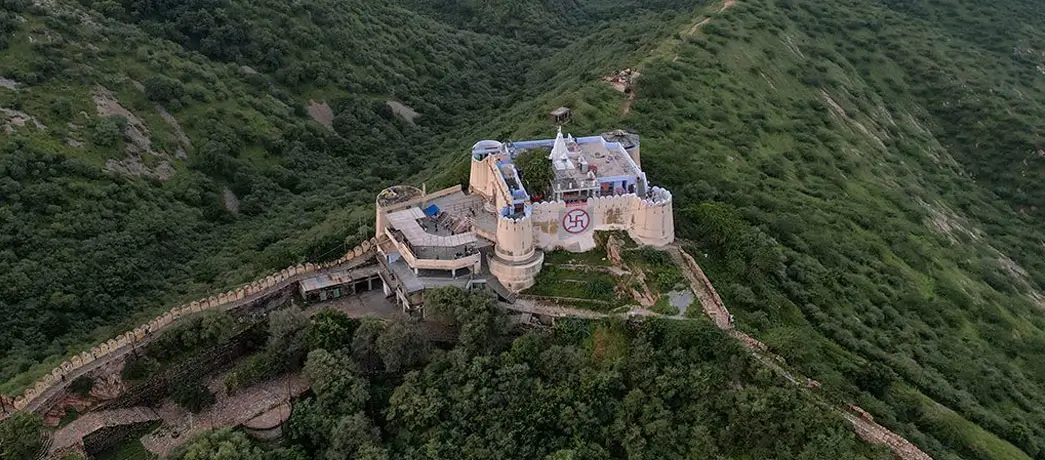
The ascent to Garh Ganesh offers wide views of Jaipur’s historic core — City Palace, Jantar Mantar, Hawa Mahal and ancient walls. The air feels crisp and refreshing, especially during early mornings. Photographers and travellers seeking mind-clearing views find this location incredibly rewarding.
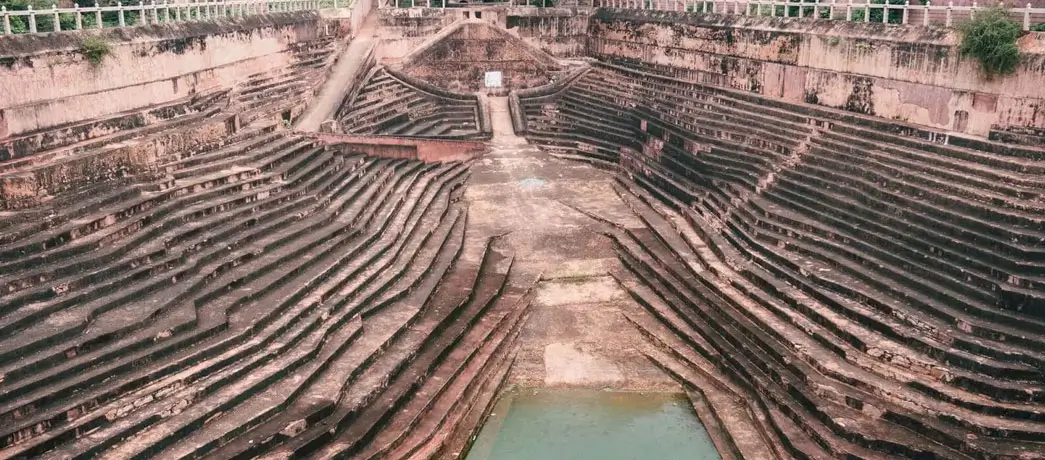
Nahargarh Baori lies tucked inside the fort forest, away from the main tourist routes. The stepwell’s rustic stone and quiet ambience create a sense of discovering something forgotten yet graceful. This architectural gem is ideal for travellers who adore heritage structures without the tourist buzz.
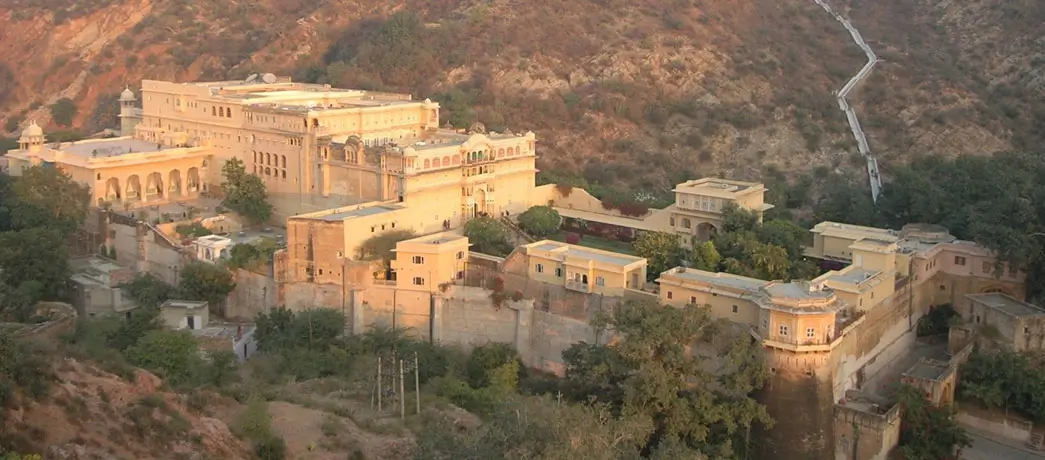
Samode Village offers a gentle mix of rural charm and heritage sophistication. The palace remains a masterpiece of fresco art, Mughal arches and royal interiors. Travellers enjoy walking through traditional lanes, interacting with artisans and then entering the grand palace environment — a combination that offers exclusive cultural depth.
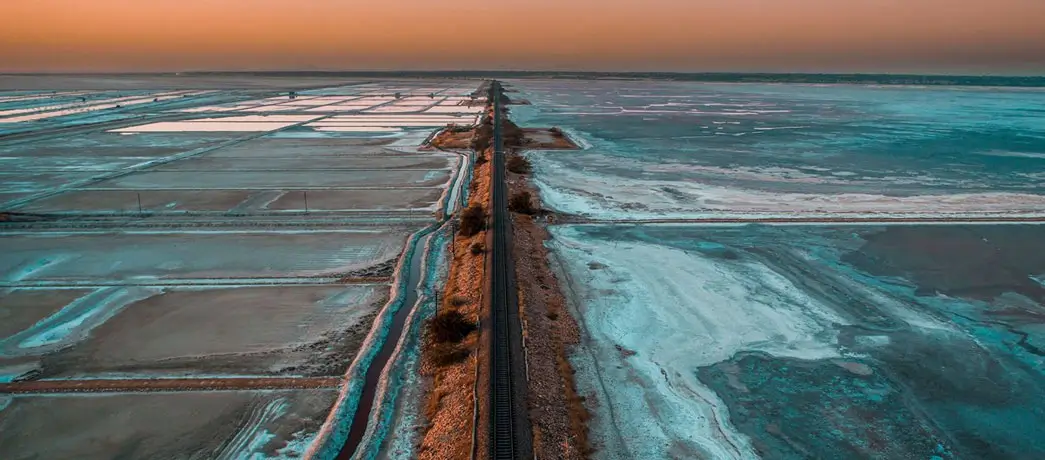
Sambhar Lake’s gleaming salt flats make the landscape appear dreamlike. During winter, flamingos and migratory birds arrive, creating mesmerizing views. The vast openness, reflective surfaces and stillness make Sambhar feel like a luxury natural canvas — perfect for photographers and travellers seeking solitude.
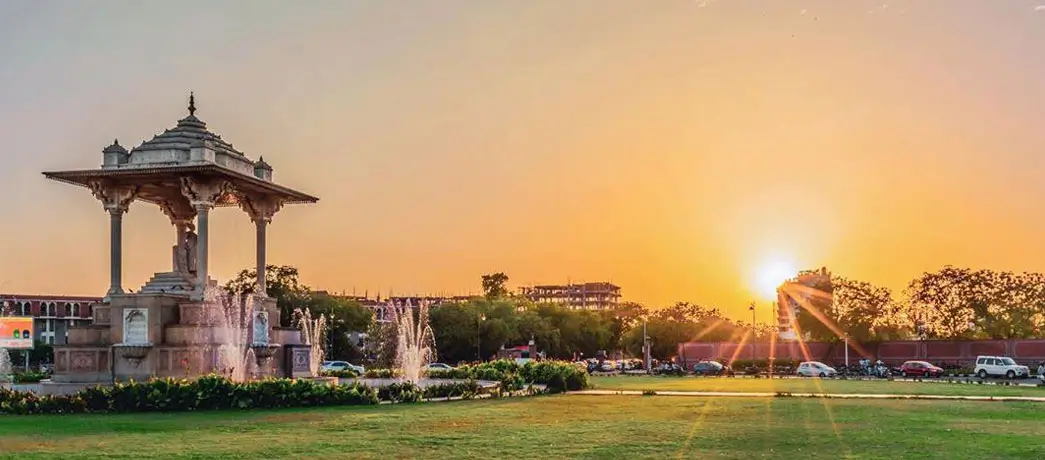
Statue Circle transforms into a sophisticated evening hub where fountains glow softly and locals enjoy relaxed outings. The urban charm, combined with polished lighting, gives travellers a refreshing break from heritage-heavy routes. It feels contemporary, lively and stylish.
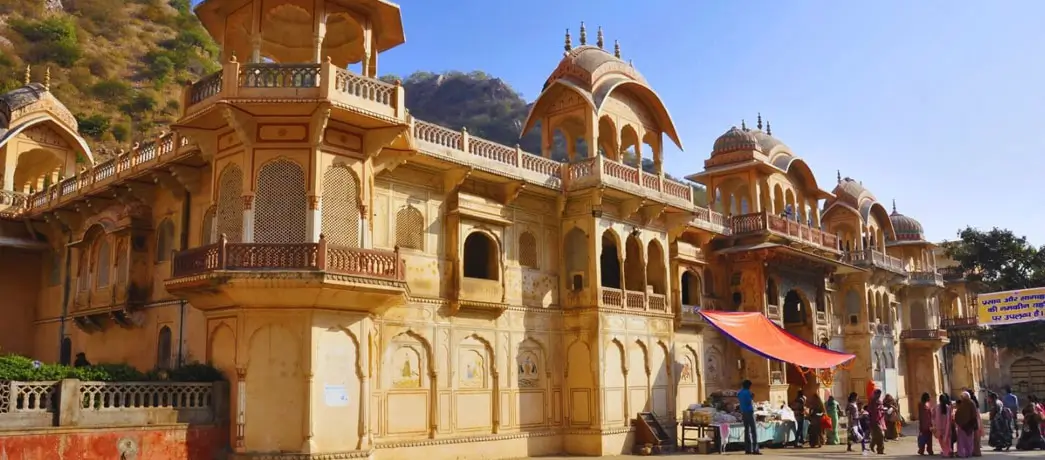
The newly developed section of Khole Ke Hanuman Ji is spacious, well-maintained and beautifully lit. The temple’s hilltop setting offers wide views and peaceful surroundings. For travellers seeking spiritual comfort with a clean atmosphere, this location is ideal.
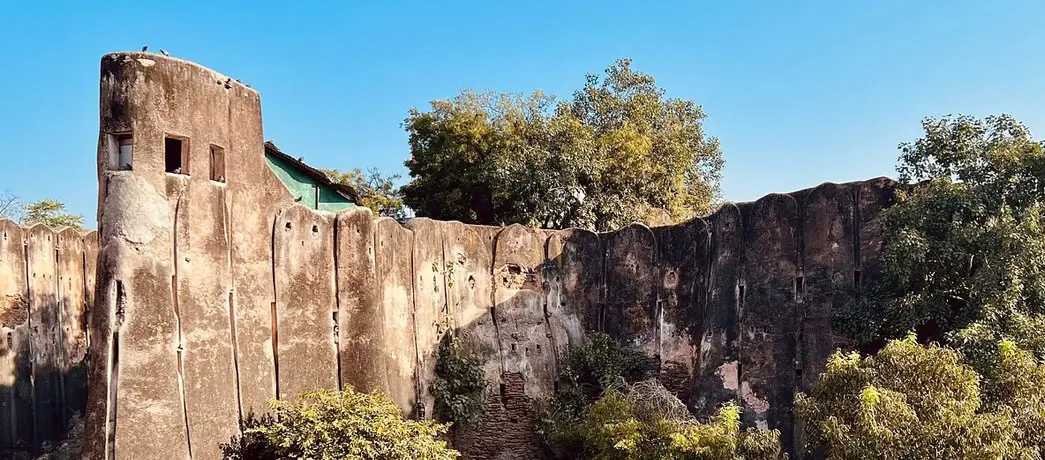
Hathroi Hill offers one of Jaipur’s best sunrise experiences. Soft colours illuminate the city slowly, creating a luxurious natural scene. The peaceful ambience makes it perfect for meditation, tea moments and photography.
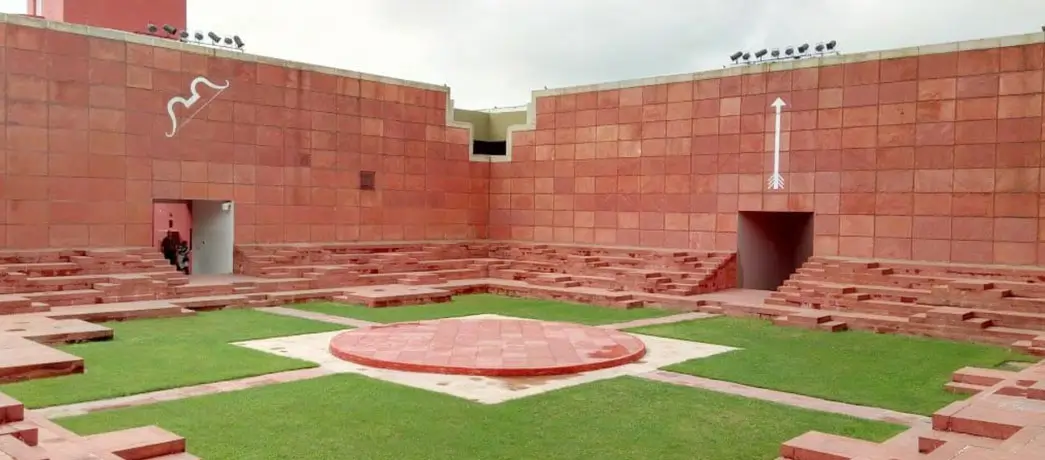
Jawahar Kala Kendra is an iconic cultural centre where art, architecture and tradition merge beautifully. The geometric layout, crafted courtyards, exhibitions and installations create a deeply enriching cultural experience. Luxury travellers enjoy the refined artistic environment.
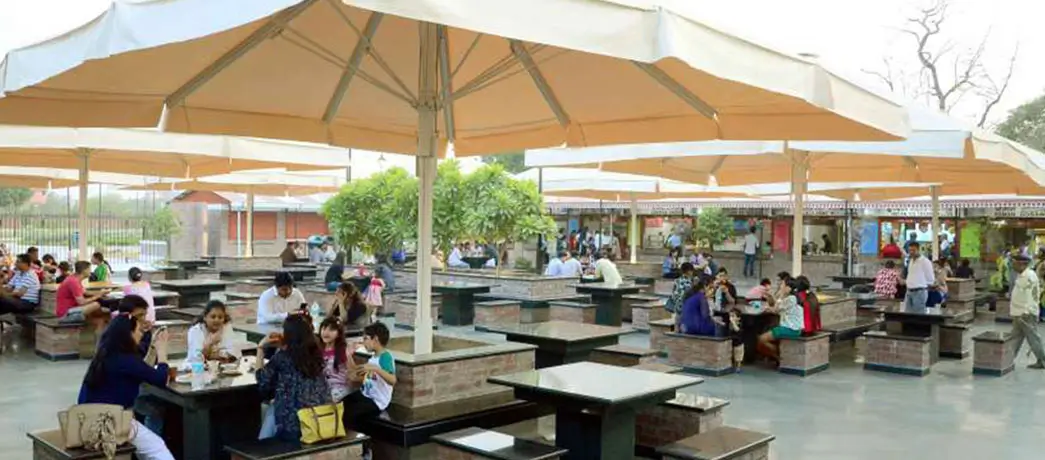
While evenings are crowded, mornings at Masala Chowk offer a surprisingly peaceful dining experience. Cool air, minimal crowds and freshly prepared snacks create a comfortable environment for travellers seeking safe and clean street food options.
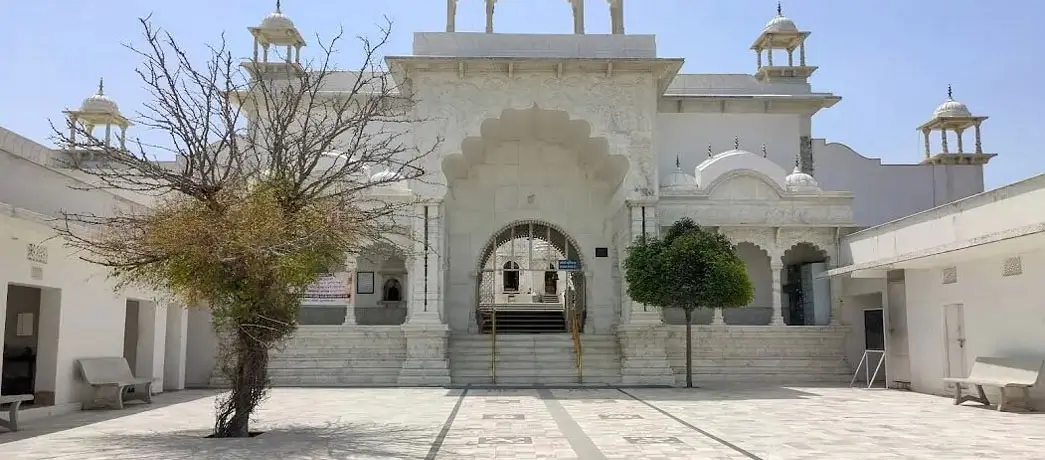
Chulgiri’s peaceful setting makes it one of Jaipur’s most calming spiritual places. The climb offers fresh air, scenic valley views and a sense of quiet meditation. Luxury travellers appreciate the temple’s clean environment and serene natural surroundings.
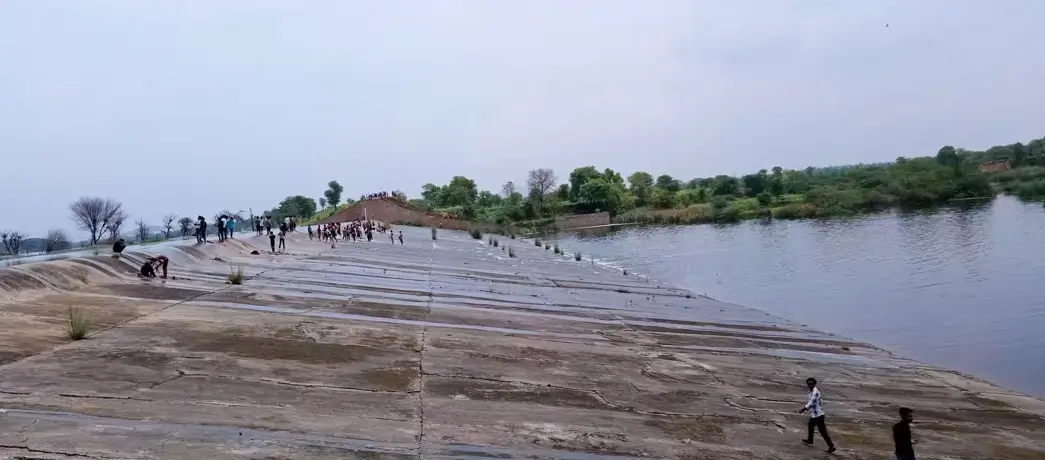
Kanota Dam offers scenic water views, cool winds and tranquil spaces perfect for unwinding. The location becomes especially beautiful during winter and post-monsoon. Travellers who love nature often visit for peaceful mornings.
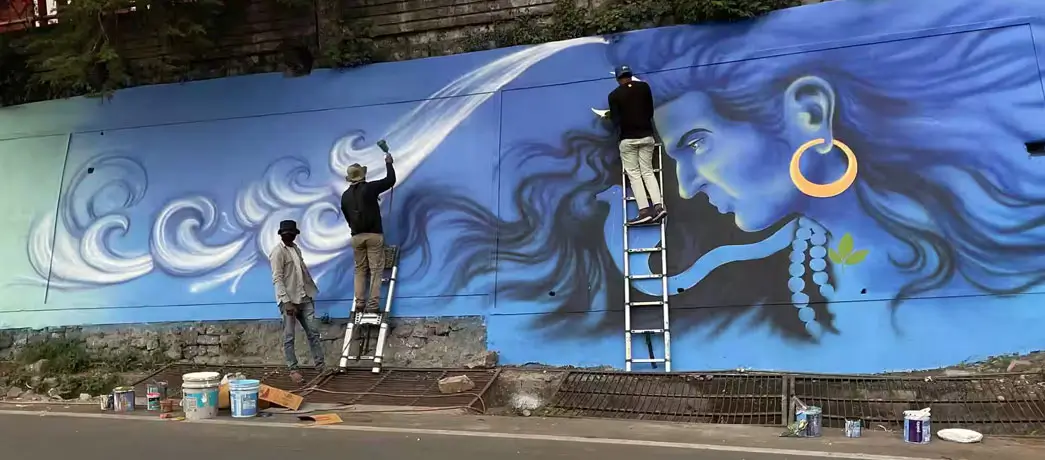
Sikar Road’s murals add a colourful, youthful energy to Jaipur. These art walls combine contemporary creativity with cultural storytelling, making the area perfect for photography and artistic exploration.
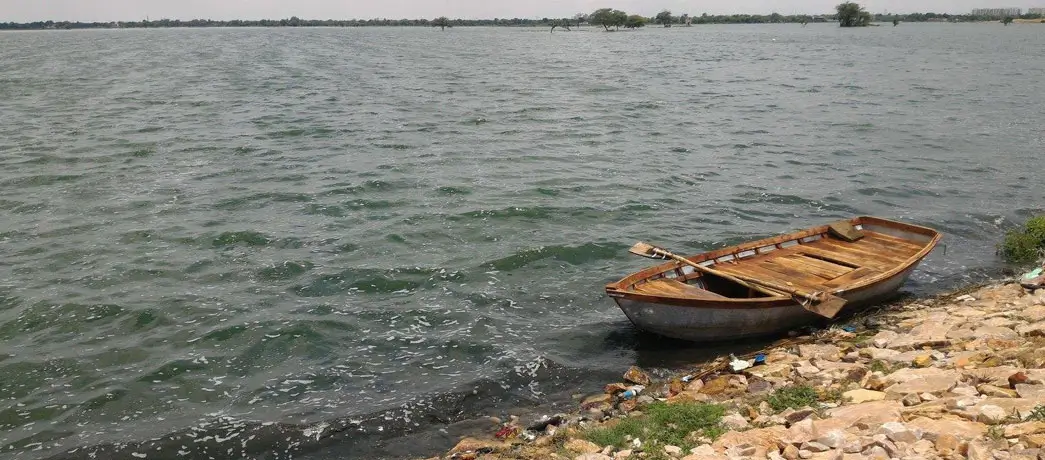
Chandlai Lake is one of the city’s most serene natural spots, attracting migratory birds during winter. The still water, open sky and quiet landscapes create a soothing environment ideal for nature lovers and photographers.
Yes, they are safe when visited during daylight and with basic precautions.
A private driver makes reaching offbeat spots easier and more comfortable.
Hathroi Hill, Garh Ganesh and Charan Mandir offer beautiful sunrise views.
Most remain peaceful throughout the day, especially mornings.
Yes, photography is allowed in most places, with a few temple restrictions.
Yes, the majority are suitable for families and children.
Most hidden gems are free to visit.
October to March offers the most pleasant weather.
Some require light walking; shoes recommended.
No, covering all spots comfortably requires two or three days.