

02 Jun 2026
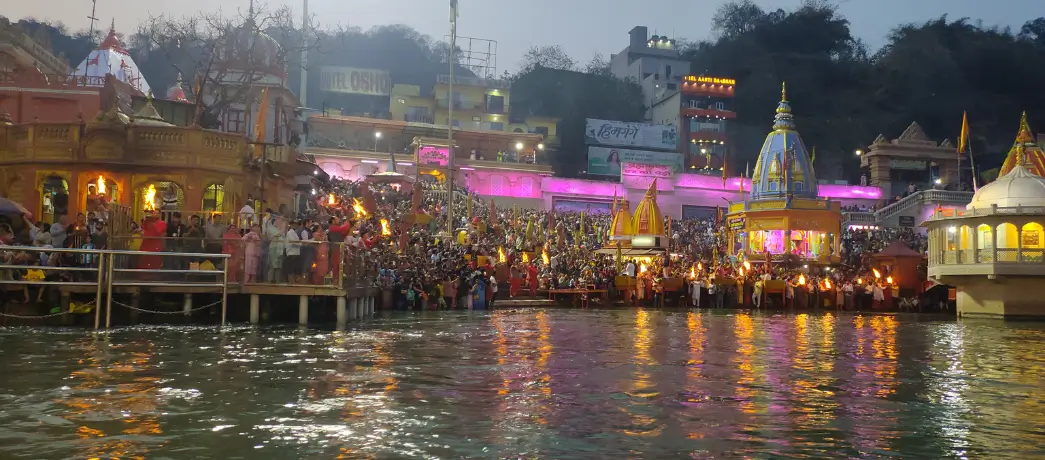
Few cultural and spiritual experiences in India leave a stronger impression on international travelers than attending a Ganga Aarti ceremony. Even visitors with no religious background often describe the experience as one of the most memorable moments of their entire journey. The combination of fire, music, chanting, riverfront architecture, ancient traditions, and collective participation creates an atmosphere unlike anything found elsewhere in the world.
For centuries, the Ganges River has occupied a central place in India's cultural, historical, and spiritual identity. Flowing through some of the country's most significant cities, the river supports communities, traditions, festivals, and rituals that have evolved over thousands of years. Every evening, as daylight begins to fade, ceremonies known as Ganga Aarti take place along various riverfront locations. These rituals honor the sacred river through offerings of light, music, prayer, and devotion.
Many travelers assume there is only one Ganga Aarti, usually the famous ceremony in Varanasi. In reality, several cities host their own versions of this ritual. Each location offers a distinct atmosphere shaped by local traditions, geography, crowd size, architecture, and historical significance.
The question many visitors ask while planning their trip is simple: which city offers the best Ganga Aarti experience?
The answer depends on what kind of experience a traveler seeks. Some prefer grandeur and scale. Others value intimacy and tranquility. Some want dramatic visuals and photography opportunities, while others seek a deeper cultural and spiritual atmosphere.
Understanding the differences between Varanasi, Haridwar, Rishikesh, Prayagraj, and other locations helps travelers choose the experience that best matches their expectations.
Explore the beauty, devotion, and cultural significance of Ganga Aarti across India's most revered riverside cities.
Before comparing destinations, it is helpful to understand what Ganga Aarti actually represents.
The ceremony is an act of reverence toward the Ganges River. For millions of people, the river is not viewed simply as a waterway but as a symbol of life, purity, renewal, and cultural continuity. The ritual expresses gratitude and respect through the offering of light, sound, and prayer.
As evening approaches, priests gather at designated ghats or riverfront platforms. Large oil lamps, incense, flowers, conch shells, bells, and traditional music become part of a carefully choreographed ceremony. The synchronized movements of the priests, combined with the glow of flames against the darkening sky, create a visually powerful spectacle.
What makes the experience especially meaningful is the participation of local communities. Unlike performances created specifically for tourists, Ganga Aarti remains a living tradition deeply connected to daily life. Residents, pilgrims, students, families, and visitors gather together to witness and participate in the ritual.
For international travelers, the ceremony often serves as a window into India's spiritual and cultural traditions. Even those who do not share the underlying beliefs frequently appreciate the sense of continuity, symbolism, and collective energy present during the event.
Every city interprets the ritual slightly differently, which is why choosing the right destination becomes important.
When people imagine Ganga Aarti, they are usually thinking of Varanasi.
Often considered one of the oldest continuously inhabited cities in the world, Varanasi has served as a spiritual center for centuries. The city's riverfront is lined with dozens of ghats, creating one of the most distinctive urban landscapes anywhere on Earth.
The evening ceremony at Dashashwamedh Ghat has become internationally famous. Multiple priests perform synchronized rituals using large brass lamps, incense burners, and traditional instruments while thousands of spectators gather along the riverbank and in boats floating on the Ganges.
The scale of the event is extraordinary. The atmosphere combines spirituality, ceremony, music, light, and crowd energy in a way that feels almost theatrical while remaining deeply rooted in tradition.
Many first-time visitors find the experience overwhelming in the best possible sense. The visual spectacle, combined with the sounds of bells, chanting, and flowing water, creates an atmosphere that is difficult to describe adequately.
Photography enthusiasts often consider Varanasi the most rewarding location because of its dramatic setting. Viewing the ceremony from a boat provides particularly impressive perspectives of the illuminated riverfront.
However, the popularity of the event also means large crowds. During peak travel periods, the area becomes extremely busy. Travelers seeking solitude may find the scale somewhat intense.
Despite this, Varanasi remains the benchmark against which all other Ganga Aarti experiences are measured. For many visitors, it is a once-in-a-lifetime cultural encounter.
While Varanasi offers grandeur, Haridwar provides something different.
Located where the Ganges emerges from the Himalayan foothills into the plains, Haridwar occupies an important place in India's spiritual geography. The city's most famous ceremony takes place at Har Ki Pauri, a riverside area that attracts large numbers of pilgrims throughout the year.
The atmosphere here feels more devotional than theatrical. Local participation is especially strong, creating a sense that visitors are witnessing a community ritual rather than a major tourist attraction.
As evening approaches, thousands of lamps illuminate the riverfront. Participants release floating offerings into the water while prayers, songs, and chants fill the air.
One of the most moving aspects of Haridwar's ceremony is the visible emotional connection many participants have with the ritual. Families gather together, pilgrims travel long distances to attend, and generations often participate side by side.
The setting itself contributes to the experience. The fast-moving river, mountain backdrop, and historic ghats create an environment that feels deeply connected to the natural landscape.
For travelers seeking authenticity and emotional resonance, Haridwar often leaves a stronger impression than more visually elaborate ceremonies.
Many experienced visitors consider Haridwar's Ganga Aarti to be the most heartfelt and spiritually immersive of all the major locations.
Compare the atmosphere, traditions, and unique experiences of India's most famous Ganga Aarti ceremonies before planning your trip.
Rishikesh offers yet another interpretation of the Ganga Aarti tradition.
Known internationally as a center for yoga, meditation, and wellness, Rishikesh attracts travelers from around the world seeking spiritual growth, personal reflection, and connection with nature.
The city's ceremonies are generally smaller and more intimate than those found in Varanasi or Haridwar. Rather than focusing on scale, they emphasize atmosphere and participation.
Several locations host evening rituals, including riverfront ashrams and ghats situated along quieter sections of the Ganges.
One of the most appealing aspects of Rishikesh is the surrounding environment. Forested hills, suspension bridges, mountain scenery, and relatively clean riverbanks create a tranquil setting.
Many visitors appreciate the balance between accessibility and serenity. The ceremonies remain meaningful and authentic without feeling overwhelmingly crowded.
Travelers who have spent time in yoga retreats or wellness programs often find the Ganga Aarti in Rishikesh aligns naturally with the broader atmosphere of the city.
For couples, solo travelers, and those interested in mindfulness and reflection, Rishikesh frequently provides the most personally rewarding experience.
Although less frequently discussed by international visitors, Prayagraj offers a deeply significant Ganga Aarti experience.
The city is famous for the Sangam, the confluence of the Ganges, Yamuna, and the mythical Saraswati rivers. This meeting point is considered one of the most sacred locations in India.
The spiritual importance of the site becomes especially evident during major religious gatherings, but the city remains meaningful throughout the year.
The atmosphere differs from both Varanasi and Haridwar. Rather than focusing on spectacle, the experience emphasizes the significance of the location itself.
Visitors interested in India's religious traditions often find Prayagraj fascinating because of its historical and cultural importance.
While it may not attract the same level of international attention as other destinations, it offers a more understated and contemplative experience.
For travelers seeking deeper understanding rather than dramatic visuals, Prayagraj can be extremely rewarding.
Photography plays an important role for many travelers attending Ganga Aarti ceremonies.
Varanasi generally provides the most dramatic images. The combination of large crowds, synchronized rituals, illuminated ghats, and boat perspectives creates endless photographic possibilities.
Haridwar offers emotionally powerful scenes, particularly during moments when participants release floating lamps into the river.
Rishikesh provides scenic compositions that combine ceremonies with natural landscapes, bridges, and mountain views.
Prayagraj appeals to photographers interested in documenting spiritual traditions within historically significant environments.
Ultimately, each location offers unique visual strengths. The best choice depends on whether a traveler prioritizes spectacle, emotion, scenery, or cultural context.
There is no universally correct answer to the question of which city hosts the best Ganga Aarti.
Travelers seeking the most famous and visually impressive ceremony should choose Varanasi.
Those interested in devotion, community participation, and emotional depth may prefer Haridwar.
Visitors looking for tranquility, wellness, and natural beauty often find Rishikesh more appealing.
Travelers focused on historical and religious significance may appreciate Prayagraj.
Each destination reveals a different aspect of India's relationship with the Ganges River and the traditions that surround it.
The most rewarding choice is the one that aligns most closely with personal interests and travel goals.
One surprising discovery many visitors make is that attending multiple Ganga Aarti ceremonies often enhances the overall experience.
Rather than feeling repetitive, each location highlights different dimensions of the tradition.
Experiencing Varanasi's grandeur followed by Rishikesh's serenity, or Haridwar's devotion alongside Prayagraj's historical significance, creates a richer understanding of India's cultural diversity.
The ceremonies share common elements, yet each reflects the unique character of its city.
For travelers with sufficient time, attending more than one Ganga Aarti can become one of the most meaningful aspects of an India journey.
Yes. Many travelers include Varanasi, Haridwar, and Rishikesh within broader cultural or spiritual itineraries.
Varanasi is home to the most internationally recognized Ganga Aarti ceremony.
It depends on personal preference. Haridwar offers a more devotional atmosphere, while Varanasi emphasizes scale and visual impact.
Yes. Many travelers appreciate its peaceful atmosphere and scenic setting.
The timing varies seasonally but generally occurs around sunset.
Most ceremonies can be attended without tickets, although premium viewing options may be available in some locations.
Yes. Visitors from all backgrounds are welcome to observe the ceremonies respectfully.
Varanasi is generally considered the most visually dramatic location for photography.
Yes, but many international visitors attend as a cultural experience regardless of personal beliefs.
Most ceremonies last between 30 and 60 minutes, depending on the location.