

15 Mar 2026
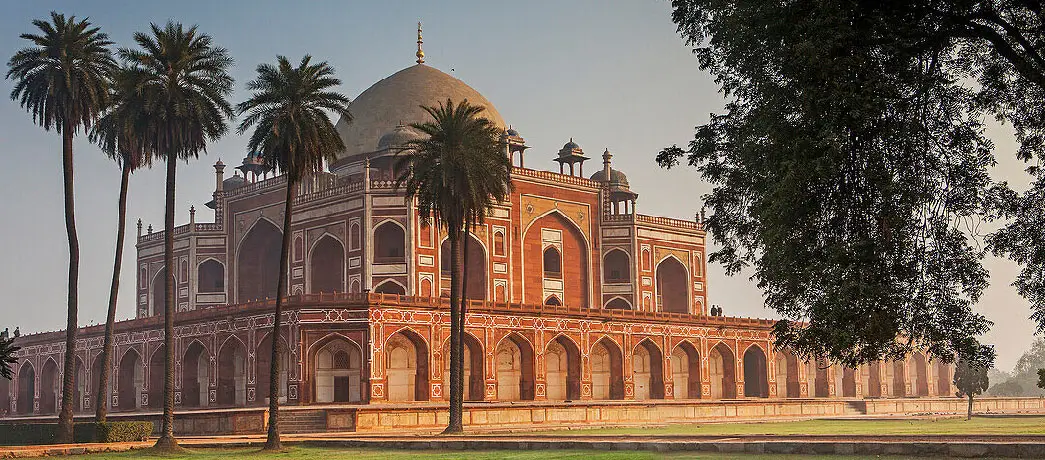
Designing a private journey through India is not simply about selecting destinations from a map. It is about building a travel narrative that flows logically, balances comfort with cultural depth, manages distances realistically, and aligns with your personal travel style. India is vast, emotionally intense, and geographically diverse. A well-designed private India tour can feel seamless, immersive, and enriching. A poorly structured one can feel rushed, exhausting, and overwhelming.
Many foreign travelers begin planning with excitement but quickly realize that India requires thoughtful sequencing. Travel distances vary dramatically, climates differ by region, monument scale can be immense, and cultural contexts shift from city to city. This is why designing a custom India tour itinerary benefits from a structured, step-by-step approach rather than spontaneous destination selection.
India Tours Packages specializes in building curated private journeys for international visitors. This comprehensive guide explains exactly how to design your own India private tour package, covering destination selection, route logic, accommodation strategy, budgeting, pacing, and transport planning.
Before selecting cities, ask a foundational question: what is the purpose of your trip? Are you visiting India for cultural immersion, architectural photography, wildlife encounters, spiritual exploration, romantic travel, or family bonding? India offers all of these experiences, but combining too many themes in one trip often reduces depth.
If this is your first visit, focusing on a balanced cultural introduction through Delhi, Agra, and Rajasthan provides architectural grandeur and manageable travel flow. If spirituality is your priority, integrating Varanasi and temple cities in South India may be more meaningful. Wildlife enthusiasts may prioritize tiger reserves and national parks.
Clarifying purpose allows you to build a coherent India travel itinerary rather than a checklist of disconnected destinations.
Make your trip truly personal by creating your own private India travel experience. Choose your destinations.
India should not be approached as a single uniform destination. North India differs dramatically from South India in architecture, language, cuisine, and climate. Attempting to combine both within ten to fourteen days often results in excessive flights and rushed exploration.
For first-time visitors, North India offers iconic landmarks such as the Taj Mahal and Rajasthan forts. South India provides temple architecture, backwaters, and coastal landscapes. The Himalayas deliver mountain scenery but require altitude planning.
Choosing one region and exploring it thoroughly creates a more immersive and less exhausting private India tour experience.
Duration influences depth. A ten-day trip allows coverage of four primary destinations. Twelve to fourteen days provide comfortable pacing with optional extensions. Longer journeys allow integration of wildlife or spiritual centers.
Avoid compressing too many cities into short durations. Travel days should not exceed four to five hours of road time when possible. Extended itineraries allow better energy management and greater cultural absorption.
Designing your India private tour itinerary around realistic duration prevents fatigue and enhances enjoyment.
Route sequencing determines the smoothness of your journey. Efficient routing minimizes backtracking and unnecessary travel time. For example, traveling from Delhi to Agra, then Jaipur, then Jodhpur and Udaipur follows a natural geographic progression.
Backtracking between cities increases road time and disrupts travel rhythm. Professional planners consider road quality, seasonal conditions, and connectivity when building routes.
A logically structured custom India travel route ensures that each destination transitions naturally into the next.
Accommodation influences both comfort and budget. Luxury palace hotels provide grandeur and extensive amenities. Boutique heritage properties offer intimacy and cultural immersion. Premium city hotels provide modern convenience.
Consistency across cities matters. Switching drastically between hotel standards can affect comfort. Mixing luxury and boutique strategically often creates balanced variety.
Location also plays a critical role. Staying near monuments or within heritage districts reduces commute time and enhances immersion.
Choosing accommodation thoughtfully strengthens your India tour package design.
India’s public transportation network is extensive but complex for first-time foreign visitors. Train bookings require advance coordination. Platforms can be crowded. Managing luggage across cities adds logistical stress.
A private car and driver tour in India simplifies transitions. Dedicated drivers handle navigation, parking, and timing. Private transport allows spontaneous stops for photography or rest breaks.
While public transport may reduce cost marginally, private travel significantly enhances comfort and flexibility.
India’s monuments are expansive and culturally dense. Visiting multiple major sites in a single day can be physically demanding. Alternating monument-heavy mornings with relaxed afternoons maintains energy.
Lake boat rides in Udaipur, rooftop dinners in Jaipur, or spa breaks in Kerala provide restorative balance.
Designing your India travel itinerary with rhythm rather than continuous activity ensures sustained enjoyment.
Budgeting should include accommodation, private transport, guide services, monument entry tickets, curated experiences, internal flights, and tipping.
Premium boutique travel for two weeks may range between moderate to upper-tier investment levels, depending on hotel category and experiences included. Luxury palace itineraries elevate cost further.
Understanding comprehensive India trip cost planning prevents unexpected expenses and supports confident decision-making.
India’s cultural environment may differ significantly from Western norms. Modest dress for temples, respect for religious ceremonies, and patience with traffic variations enhance comfort.
Preparing mentally for sensory vibrancy reduces overwhelm. Structured private tours provide contextual explanations that deepen understanding.
Plan your perfect trip with a custom private India tour designed around your interests and travel style. You can choose the destinations, duration, and experiences that matter most to you.
While iconic landmarks are essential, experiential elements enrich your journey. Cooking sessions, village visits, wildlife safaris, cultural performances, and artisan workshops add dimension.
A thoughtfully curated India private tour package blends monuments with lived experiences, transforming sightseeing into storytelling.
Unexpected weather, traffic, or personal energy variations require adaptability. Including light buffer time ensures minor disruptions do not affect the entire itinerary.
Flexibility reduces stress and preserves enjoyment.
Designing your own itinerary is empowering, but professional expertise refines it. Local knowledge ensures realistic travel times, optimal hotel selection, and culturally sensitive guidance.
India Tours Packages structures itineraries that transform independent planning into seamless execution.
Designing a private India journey is both an art and a science. It requires clarity of purpose, realistic pacing, logical route design, thoughtful accommodation selection, and transparent budgeting.
When structured properly, a custom India private tour becomes an immersive narrative rather than a sequence of destinations. Each city builds upon the previous one. Each experience complements the larger story.
India rewards thoughtful planning with extraordinary depth, color, and memory.
Four to five destinations create balanced pacing.
Private transport significantly enhances comfort and flexibility.
Yes, mixing categories provides both comfort and immersion.
North India often offers more iconic first-time highlights.
Four to five hours per day maintains energy.
Guides provide historical clarity and deeper engagement.
Yes, with structured planning and reputable services.
Advance planning ensures better hotel availability.
Private tours allow greater flexibility.
Trying to cover too much in too little time.