

18 Nov 2025
Timeless Heritage of India’s Capital
Delhi embodies centuries of legacy, culture, dynasties, and astonishing architectural brilliance. Every lane, every monument, and every stone reflects a chapter from India’s layered history—spanning the Rajput era, Delhi Sultanate, Mughal empire, British rule, and modern India.
The city’s vast collection of forts, tombs, temples, gates, heritage complexes, and museums creates a cultural timeline unlike any other destination. This guide presents updated timings, latest entry fees, visit recommendations, photography rules, and historical backgrounds for Delhi’s most important monuments.
With refined details and luxury-level depth, this blog is useful for both international travelers and domestic visitors looking to navigate Delhi’s heritage in the most informed and seamless way.
Overview
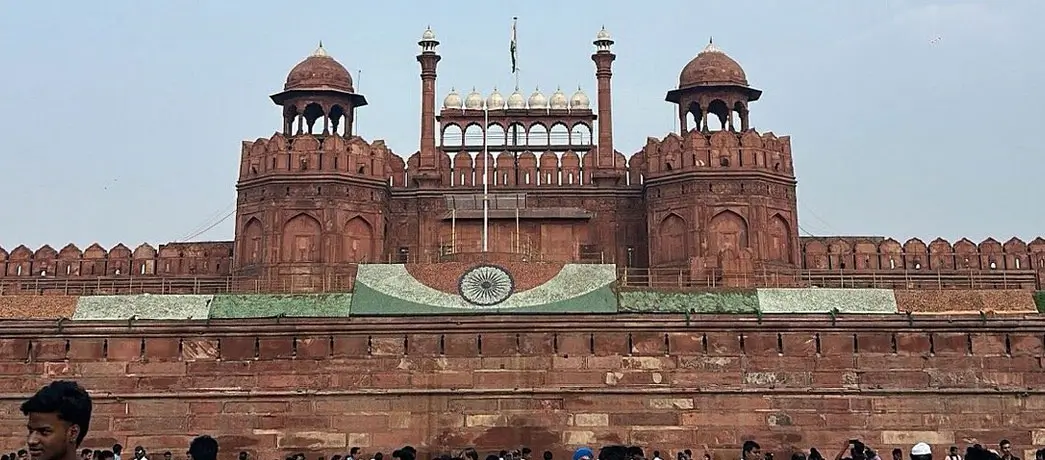
The Red Fort stands as the monumental emblem of India. Commissioned by Mughal Emperor Shah Jahan in the 17th century, the fort was the primary seat of Mughal power for nearly 200 years. Its massive red sandstone walls, palace wings, ceremonial halls, arched corridors, lush gardens, and ornate chambers showcase the height of imperial architecture.
The fort’s design blends Mughal aesthetics with Persian influences, creating an unforgettable representation of Delhi’s royal heritage.
Timings
Entry Fees
Travel Insight
The fort looks breathtaking during early hours, when soft sunlight casts a warm tone over the red sandstone walls—perfect for premium photography.
Overview
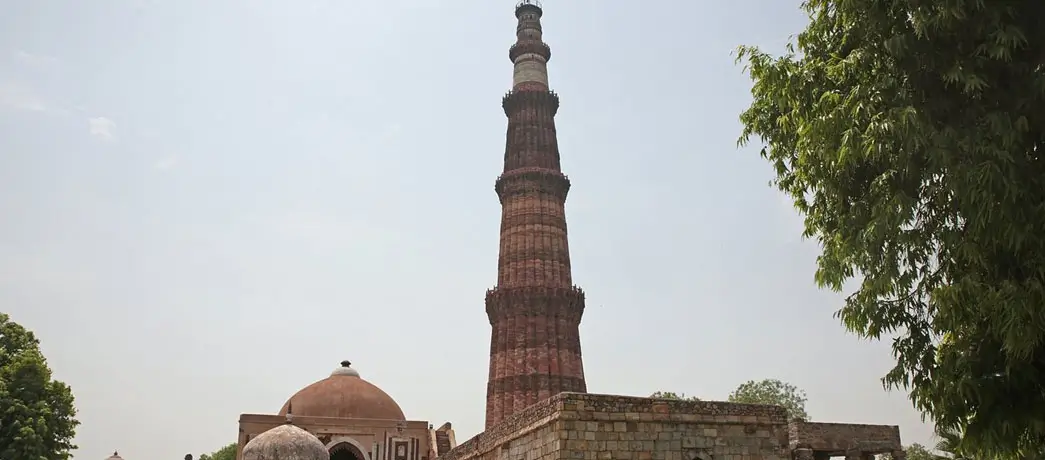
Qutub Minar, one of Delhi’s most celebrated monuments, is a 73-meter-high sandstone tower carved with detailed inscriptions and geometric patterns. The complex includes the ancient Quwwat-ul-Islam Mosque, Alauddin Khilji’s tomb, and the historic Iron Pillar, known for its rust-resistant metallurgical marvel.
The monument represents the architectural spirit of early medieval India and stands as a UNESCO World Heritage Site.
Timings
Entry Fees
Travel Insight
Late afternoon creates striking golden shades across the tower’s carvings, resulting in dramatic photographs.
Overview
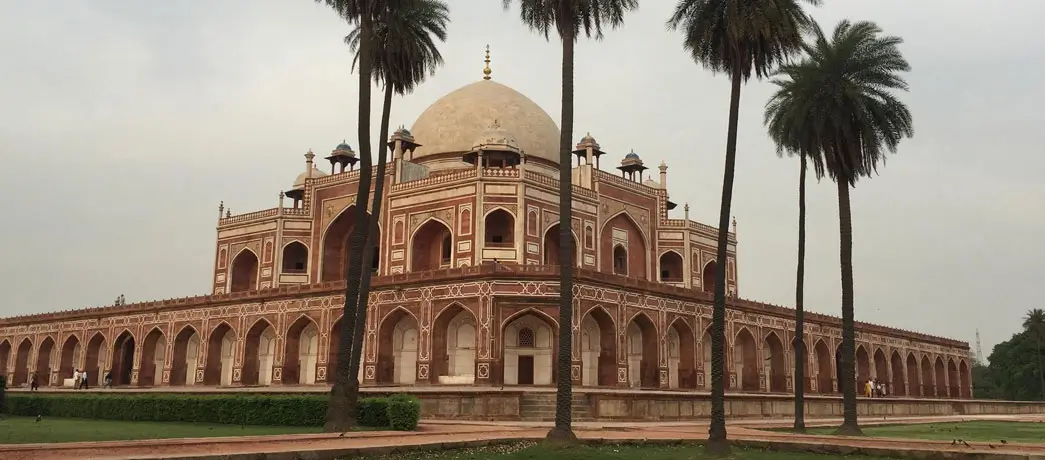
Humayun’s Tomb is regarded as the world’s first garden-tomb and the architectural inspiration for the Taj Mahal. Its Persian-influenced charbagh layout, symmetrical walkways, high dome, arched chambers, and marble patterns create a regal and serene monument.
This tomb marks a turning point in Mughal architecture—ushering in the era of grandeur and elegance.
Timings
Entry Fees
Travel Insight
Early morning visits provide the calmest ambience. The surrounding gardens and early light amplify the monument’s royal charm.
Overview
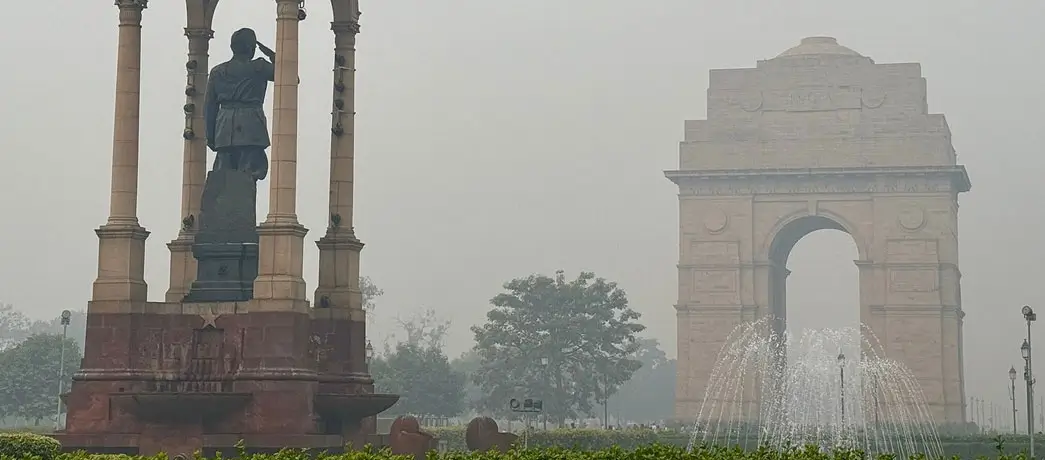
India Gate is not a ticketed monument but a deeply emotional landmark. Built in memory of Indian soldiers who lost their lives in World War I, it represents courage and honor. The structure’s massive arch, green lawns, and Amar Jawan Jyoti flame create a patriotic and inspiring environment.
Timings
Travel Insight
The boulevard around India Gate looks stunning after sundown. Evening lighting and lively surroundings make it one of Delhi’s most vibrant public spaces.
Overview
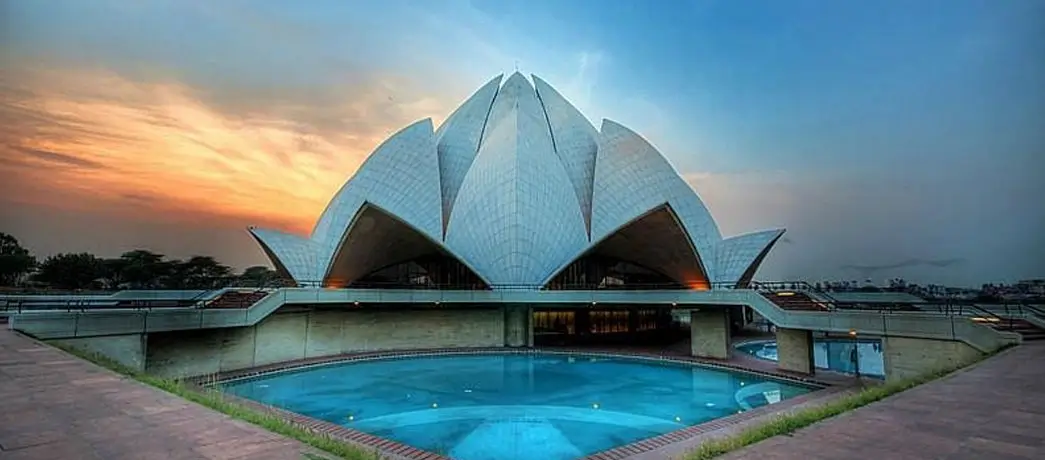
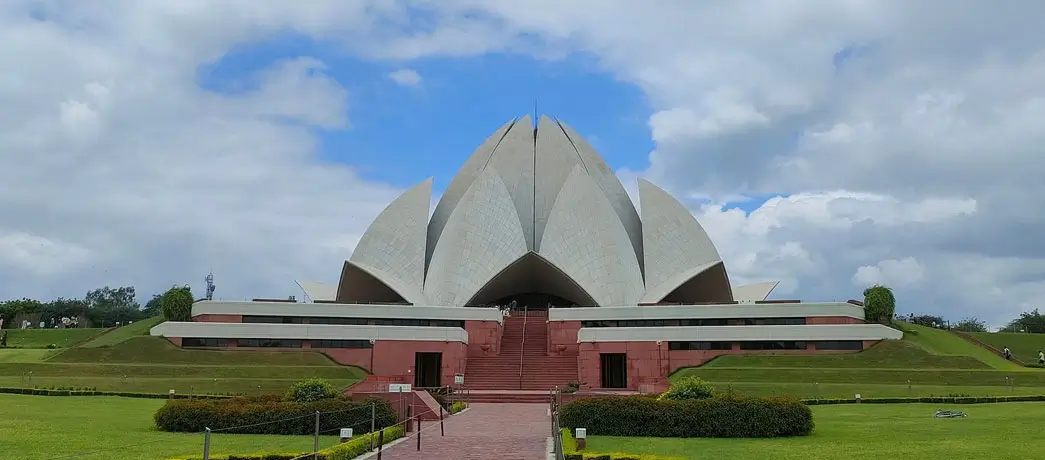
The Lotus Temple is Delhi’s Baháʼí House of Worship—celebrated for its petal-like white marble architecture. Based on the idea of universal unity and spiritual harmony, it welcomes visitors of every faith.
The interior hall is devoted entirely to silent meditation, with no idols or rituals.
Timings
Entry Fees
Entry: Free
Travel Insight
Interior silence is strictly maintained. Photography is allowed only outside the temple premises.
Overview
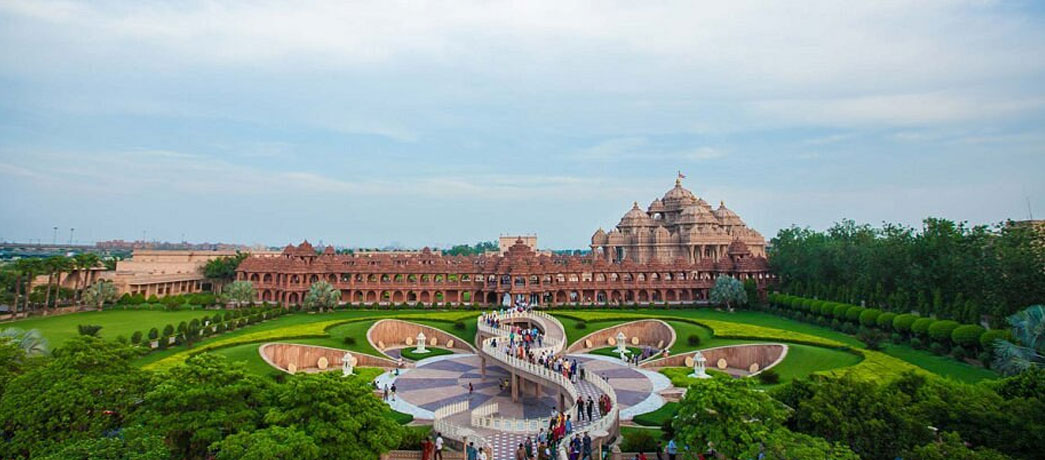
Akshardham Temple is one of Delhi’s largest cultural and architectural attractions. Constructed with pink sandstone and white marble, the temple complex includes breathtaking carvings, multimedia exhibitions, large-scale sculptures, gardens, and a spectacular water show.
The spiritual environment and architectural detailing offer an exceptionally rich cultural experience.
Timings
Entry Fees
Travel Insight
The exhibitions beautifully portray India’s philosophy and cultural heritage using advanced multimedia. It is one of the most engaging cultural experiences in Delhi.
Overview
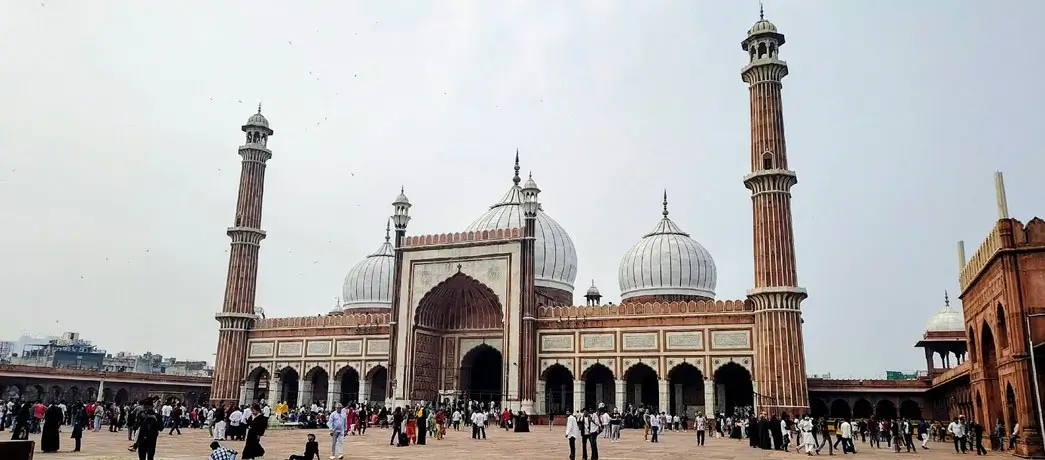
Jama Masjid is India’s largest mosque, constructed by Emperor Shah Jahan using red sandstone and white marble. Its towering minarets, expansive courtyard, broad stairways, and domed architecture portray Mughal engineering at its finest.
Visitors can climb the minaret for a panoramic bird’s-eye view of Old Delhi.
Timings
Entry Fees
Travel Insight
Morning hours provide a calm and spiritual experience before the local markets become busy.
Overview
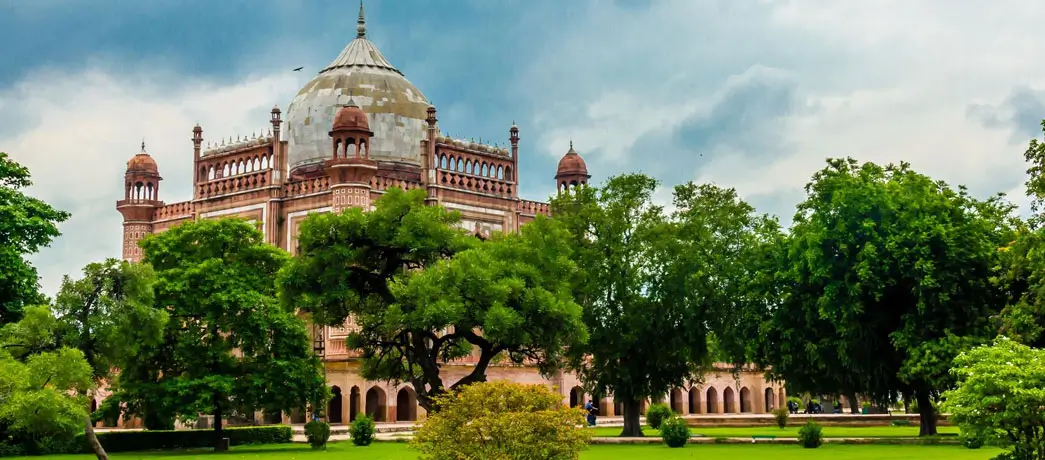
Safdarjung Tomb is the final grand architectural creation of the Mughal era. Constructed in the 18th century, the mausoleum features a combination of sandstone and marble elements, surrounded by beautiful symmetrical gardens.
The monument is peaceful, less crowded, and aesthetically appealing—ideal for slow travelers.
Timings
Entry Fees
Travel Insight
This is one of Delhi’s most underrated heritage sites with minimal crowds—perfect for quiet photography.
Overview
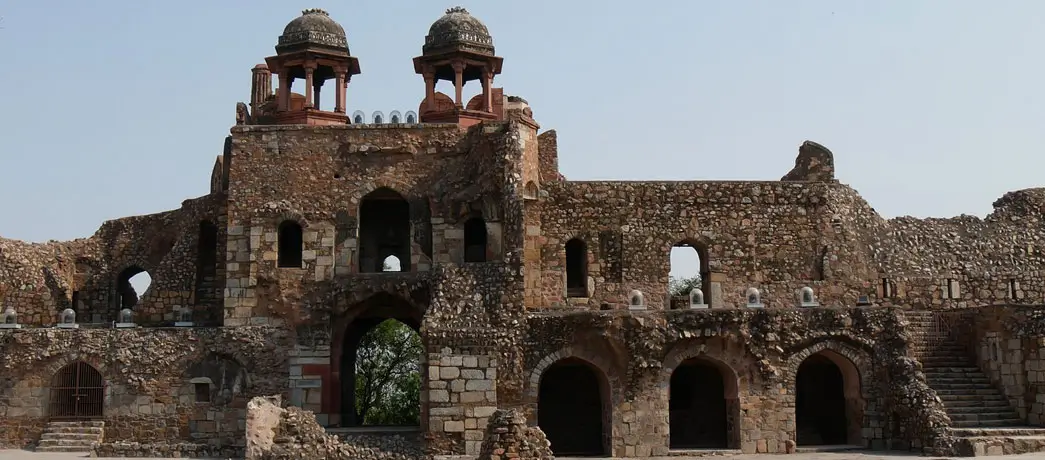
Purana Qila (Old Fort) is among the oldest fortresses in Delhi. Its history is believed to connect back to the earliest settlements of Indraprastha, mentioned in the Mahabharata. The fort’s towering gateways, Mughal structures, open lawns, and lakeside views create a captivating ancient-world atmosphere.
Timings
Entry Fees
Travel Insight
The evening light-and-sound show provides a beautiful audio-visual narration of Delhi’s history.
Overview
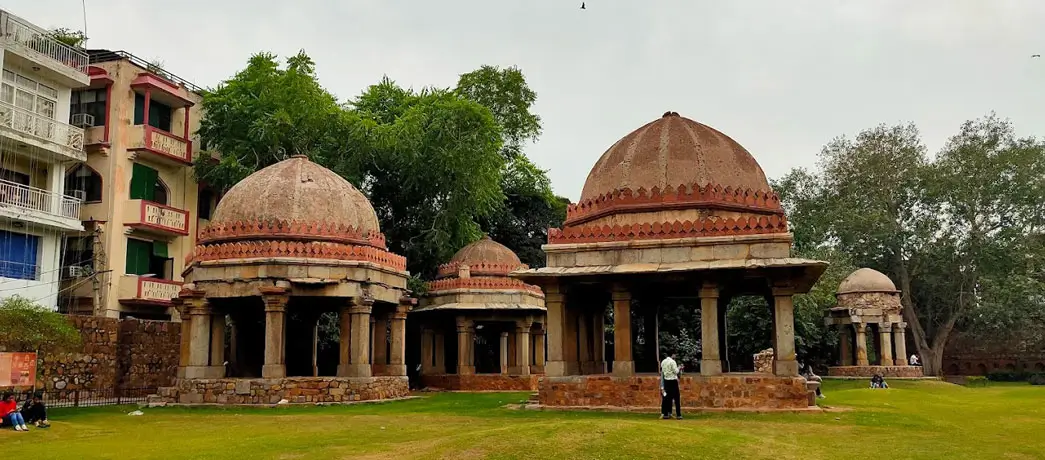
The Hauz Khas Complex is a unique blend of medieval tombs, Islamic learning institutions, water reservoirs, and tranquil lakeside ruins. The calm surroundings blended with modern cafés and boutiques make this one of Delhi’s artsy and atmospheric heritage spaces
Timings
Entry Fees
Entry: Free
Travel Insight
Sunset hours cast beautiful shades over the lake and ancient ruins, making it one of the most picturesque moments in Delhi.
Delhi’s most pleasant season is from October to March, when the weather remains cool and ideal for sightseeing.
Morning hours offer:
Summer afternoons should be avoided due to high temperatures.
Yes, certain ASI zones offer combined tickets for monuments like Red Fort, Humayun’s Tomb, and Qutub Minar.
No, entry is completely free.
No, public access to the top has been closed for years.
No, mobiles must be deposited in the locker area.
Photography is permitted only outside, not inside the meditation hall.
Yes, held in the evening, with timings varying by season.
Gardens are accessible, but the tomb chamber has steps.
No, it is one of Delhi’s most peaceful monuments.
Modest clothing; robes are available for visitors if required.
Yes, weekends are busy. Weekdays, especially mornings, are recommended.