

09 Mar 2026
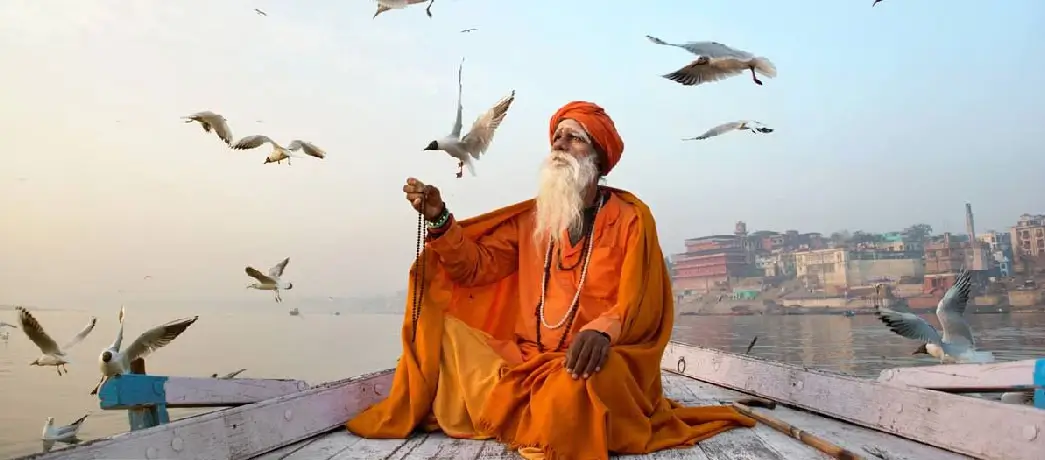
Traveling to India for the first time is rarely neutral. It is emotional, stimulating, fascinating, and occasionally overwhelming. Western travelers often arrive with curiosity and excitement, yet many cultural nuances surprise them in ways they did not anticipate. These surprises are not negative; they are reflections of a civilization shaped by thousands of years of history, layered traditions, and deeply rooted social structures.
Understanding cultural differences in India before arrival transforms confusion into appreciation. Rather than interpreting unfamiliar behaviors as discomfort, travelers who prepare in advance view them as insights into a different worldview. India is not simply a destination; it is a lived civilization where ancient traditions coexist with rapid modernization.
India Tours Packages works closely with foreign visitors and consistently observes the same patterns of surprise among Western travelers. This detailed guide explores the most common cultural differences, explains the reasons behind them, and provides practical guidance for navigating India confidently and respectfully.
One of the first cultural differences Western travelers notice in India is the perception of personal space. In many Western countries, physical distance during conversation and in public areas is maintained naturally. In India, particularly in busy cities, space operates differently.
India’s population density influences everyday interactions. Markets, railway stations, religious sites, and public roads often feel crowded. People stand closer during conversation, and physical proximity in queues or public areas is common.
For Western visitors accustomed to larger personal buffers, this can initially feel intrusive. However, it is not perceived as aggressive or disrespectful locally. It reflects practicality within densely populated environments.
Travelers who anticipate this difference adapt more comfortably. Choosing structured private tours, licensed guides, and well-located accommodations helps manage exposure while still engaging authentically with daily life.
Explore the Cultural Diversity of India and experience one of the most vibrant and unique cultural landscapes in the world.
Communication patterns in India often differ from Western norms. In many Western cultures, communication is direct, concise, and explicit. In India, communication can be more nuanced and context-based.
The word “yes” may sometimes mean acknowledgment rather than agreement. For example, nodding during conversation may indicate attentiveness rather than confirmation. The famous “Indian head wobble” can confuse visitors unfamiliar with its meaning, as it often signals understanding or polite agreement.
Indirect responses are sometimes used to avoid causing discomfort or offense. Rather than saying “no” directly, individuals may respond with alternatives or softer language.
Understanding this subtle communication style reduces misinterpretation and enhances cross-cultural interaction.
Time management is another cultural contrast. Western societies often operate on strict punctuality. In India, while professional environments maintain schedules, social and informal contexts may be more flexible.
Traffic unpredictability and environmental factors influence daily timing. A slight delay is not necessarily viewed as disrespectful but rather as part of situational reality.
For travelers, structured private itineraries mitigate this difference by ensuring that logistics are managed professionally. However, mentally allowing small timing variations reduces stress and fosters adaptability.
Flexibility becomes an asset when navigating India’s dynamic environment.
In many Western countries, religion is often private. In India, religion is visible, audible, and integrated into public life. Temples, mosques, churches, and shrines coexist within neighborhoods. Religious festivals influence traffic patterns and daily routines.
Western travelers may be surprised by the openness of ritual expression. Chanting, temple bells, and ceremonial gatherings occur in public view. Rather than viewing this as overwhelming, recognizing it as an integral part of Indian identity enhances cultural appreciation.
When visiting temples, modest dress and respectful behavior are expected. Removing shoes before entering sacred spaces is customary. Observing these practices demonstrates respect and builds positive interactions.
Indian hospitality often surprises Western visitors with its warmth and attentiveness. Guests are treated with genuine care, sometimes extending beyond formal service expectations.
Hotel staff may inquire repeatedly about comfort. Hosts may offer refreshments frequently. This attentiveness reflects cultural emphasis on guest respect rather than intrusion.
Understanding this tradition of hospitality helps travelers interpret gestures positively.
Family plays a central role in Indian society. Multi-generational households remain common. Decision-making often involves collective discussion rather than individual preference alone.
Western travelers may notice frequent references to family responsibilities or observe extended families traveling together. Weddings and festivals often include large gatherings.
Recognizing the importance of family structure enhances cultural understanding and contextualizes social behavior.
Clothing norms differ between urban and rural areas. Major metropolitan cities display diverse fashion styles, while smaller towns may maintain conservative dress expectations.
Western travelers visiting temples or rural regions should dress modestly, covering shoulders and knees. This is not a restriction but a cultural sign of respect.
Observing local dress customs enhances comfort and reduces unwanted attention.
Indian traffic may initially surprise Western drivers. Lane discipline differs from Western highway systems, and honking functions as a communication tool rather than aggression.
Understanding that horns signal awareness rather than anger reduces anxiety. Hiring a professional private driver ensures safety and removes the stress of navigating unfamiliar traffic dynamics.
India’s street environment is vibrant and multi-layered. Sounds, colors, aromas, and movement create an immersive sensory experience. Western travelers unaccustomed to such intensity may initially feel overwhelmed.
Rather than retreating, structured exploration with guides transforms chaos into narrative. Markets become cultural stories rather than noise.
Gradual exposure allows appreciation without overload.
India’s Rich Cultural Diversity Explained takes you through the incredible variety of traditions, languages, festivals.
In many Indian markets, bargaining is customary. Western visitors unfamiliar with negotiation may feel uncomfortable initially. Understanding that bargaining is part of marketplace interaction removes tension.
In organized tour settings, guides often assist with fair pricing, ensuring comfortable transactions.
Hierarchy influences professional interactions. Titles such as “sir” or “madam” are commonly used as signs of respect. Younger individuals may defer to elders during conversation.
Recognizing this cultural dynamic clarifies communication patterns and avoids misunderstanding.
India’s emotional expressiveness may surprise Western visitors. Conversations can appear animated, with gestures and vocal variation. This does not necessarily signal conflict.
Understanding expressive communication styles prevents misinterpretation.
Awareness reduces culture shock. Rather than reacting emotionally to differences, informed travelers observe thoughtfully. Structured private tours provide cultural context through licensed guides and curated experiences.
India Tours Packages integrates cultural briefings within itineraries to enhance understanding.
Yes, differences exist in communication, social norms, and public behavior.
Public displays of affection are generally more reserved.
In major cities yes, but modest dress is recommended in temples.
Honking functions as a communication tool rather than aggression.
Professional settings value punctuality, but minor delays may occur.
Preparation and guided travel minimize discomfort.
Primarily in local markets, not in formal retail stores.
Yes, religion is integrated into daily life.
Yes, especially with structured planning and reputable services.
Reading, observing respectfully, and choosing professional tour services help significantly.