

05 Aug 2025
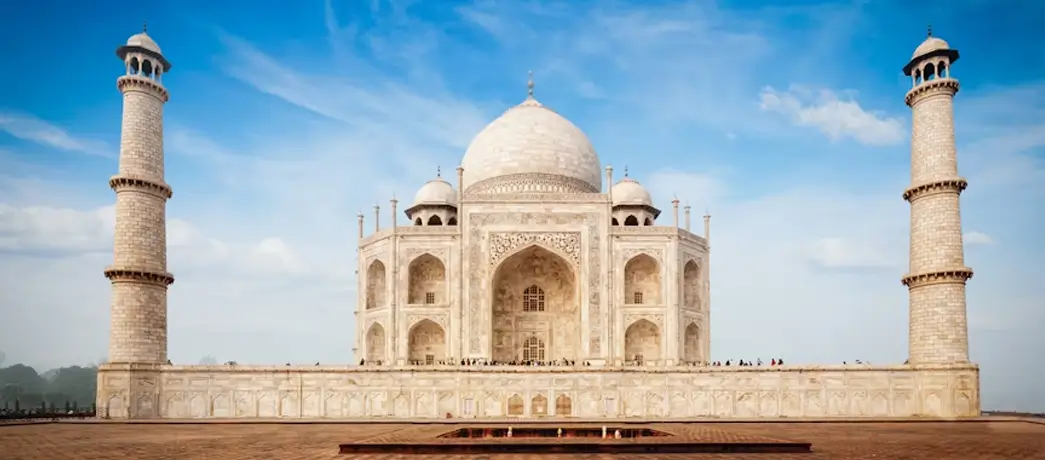
The Golden Triangle India is the most popular tourist circuit in the country, covering Delhi, Agra, and Jaipur. This route gives travelers a perfect glimpse of India’s history, culture, heritage, and architecture. Whether you are standing before the Taj Mahal in Agra, exploring Amber Fort in Jaipur, or walking through the bustling markets of Delhi, the Golden Triangle promises an unforgettable journey.
But one of the most important questions travelers ask is – What is the best time to visit the Golden Triangle? Weather plays a big role in how enjoyable your trip is. This guide will help you understand the best months, seasons, and festivals so you can plan your Golden Triangle Tour in the best way possible.
The Golden Triangle region lies in North India, where the climate changes dramatically through the year. It has three main seasons:
1. Winter (October – March): The Peak Season
If you want the most comfortable travel experience, winter is the best season to visit Golden Triangle India.
2. Summer (April – June): Hot but Less Crowded
If you can tolerate heat, summer offers budget-friendly Golden Triangle tours.
3. Monsoon (July – September): For Nature Lovers
Monsoon is ideal if you want to experience India’s festivals and don’t mind occasional rains.
Delhi – India’s Capital City
Agra – The City of Taj Mahal
Jaipur – The Pink City of Rajasthan
The Golden Triangle India – Delhi, Agra & Jaipur is a year-round destination, but the best time to visit is undoubtedly October to March, when the weather is pleasant and festivals are in full swing. Whether you’re traveling for history, culture, or photography, this circuit is the perfect introduction to Incredible India.
The best months are October to March, with pleasant weather for sightseeing.
Yes, but it’s hot. Choose early morning sightseeing & AC hotels.
Yes, December is peak season with cool weather & festive charm.
Minimum 5 to 7 days to cover Delhi, Agra & Jaipur comfortably.
Not bad, but rains may cause delays. Good for budget travelers.
Delhi sees 8°C to 20°C in winter, perfect for outdoor sightseeing.
Yes, the Taj Mahal looks stunning against monsoon skies.
Holi & Diwali are the most vibrant festivals in this region.
January is cold, but still comfortable for sightseeing.
Yes, winter is peak season, so book in advance for best deals.
Yes, but it will be a tight itinerary. 6–7 days is ideal.
Carry light woolens, jackets & scarves for evenings.
April is hot, but fewer crowds and budget rates are available.
It offers the best of Indian culture, history & architecture in one trip.